
Take Control of Your Health and Wellbeing with Essential Oils
Find out what essential oils are, how they work, and how they can help you get the results you want!
 Certified ToxicFree® · Cruelty-free · Made in Colorado
Lavender is the oil most people own first: sweet, clean and calming, the smell of fresh sheets and summer gardens. Here is what true lavender oil is, whether it’s phototoxic, why fresh oil matters so much, and how to use it safely.
Ask ten people to name an essential oil and most will say lavender. It is the scent of clean laundry and the slow end of a long day. It has been part of washing and bathing for so long that its name is often traced to the Latin lavare, to wash.
Because it’s so familiar, it’s easy to treat lavender casually. It is one of the gentler oils, but it has one real weak spot, and it isn’t the sun. It’s air.
The short version
No. Lavender oil isn’t phototoxic. Robert Tisserand, co-author of Essential Oil Safety, has written plainly that lavender oil doesn’t make skin sensitive to sunlight.
Phototoxic oils contain furocoumarins, compounds that react with sunlight on the skin and can cause redness, blistering or dark patches that last for months. They show up mainly in cold-pressed citrus oils such as bergamot, lime and bitter orange, which is why those carry real sun limits. Lavender doesn’t contain them. Peppermint, the other oil people often ask about, is in the same boat; see our peppermint guide.
The sun note on our product pages is a general caution we give for every oil. Lavender itself isn’t known to cause sun reactions.
True lavender is a small, woody shrub native to the hills of the western Mediterranean, from northeastern Spain to Italy. Its slender stems carry narrow green leaves and tight spikes of small purple flowers.

The oil is made by steam distillation: steam passes through the freshly cut flowers, carries the aromatic oil with it, and the oil separates from the water as it cools. Ours is made only from the blossom tops of Grade-A crops picked at the very start of the season, when the oils in new blooms are most concentrated. No late-season stalks or woody pulp go in, just fresh flowers distilled at their best.
Three different plants are sold as “lavender”. Lavandula angustifolia, the name on our bottle, is true lavender, sometimes called English lavender. Spike lavender, Lavandula latifolia, is sharper and more camphor-like. Lavandin, Lavandula × intermedia, is a hybrid of the two, and it carries more camphor and cineole than true lavender, which gives it a harsher, more medicinal edge. They aren’t interchangeable, so check the label for the botanical name.
We don’t recommend it. Lavender has a reputation as the one oil you can put straight on your skin, and fresh lavender really is one of the gentlest oils. The catch is what happens as it ages. Linalool and linalyl acetate react with oxygen in the air and form hydroperoxides, which are strong skin allergens. A 2008 study by Swedish researchers found that lavender oil has no natural protection against this: the whole oil oxidized just the way the pure molecules did.
Allergy to fresh lavender is rare. But once your skin is sensitized, it can react every time you use the oil, so diluting is cheap insurance. For the body, about 1 to 2% is plenty: 6 to 12 drops in 30 ml (1 oz) of a carrier oil such as jojoba or sweet almond. Use half that on the face, keep it away from the eyes, and try a small patch on your inner arm first.
Keep the cap tight and the bottle somewhere cool and dark, and use an opened bottle within about a year. If your lavender starts to smell sharp, thin or less sweet than it did, that’s oxidation, and it’s time for a fresh bottle.
Lavender is a fresh, sweet floral middle note with a green, herbal edge and a soft, powdery woodiness underneath. It is the peacemaker of the oil shelf: it softens sharp oils and rounds out citrus.
A few diffuser blends to try, in drops for a standard water diffuser:
Start with 3 to 5 drops in the water reservoir as the evening begins. It’s the classic wind-down scent. Diffuse for 30 to 60 minutes at a time rather than all night, in a room with some airflow.
For sheets, pillowcases and towels, mix in a 100 ml (about 3.4 oz) glass spray bottle:
Shake well before every spray, since oil and water separate. Mist from about a foot away and let the fabric dry before you use it. Test on a hidden spot first, especially on silk or anything delicate.
Put 3 or 4 drops on a cotton ball in a small dish and tuck it into a drawer or onto a closet shelf. Keep the oil off the fabric itself, since it can leave marks.
For a body oil, stir 6 drops into 30 ml (1 oz) of jojoba or sweet almond oil, about 1%. For the bath, essential oils don’t mix with water, so stir 4 to 6 drops into a tablespoon (15 ml) of carrier oil first, then add it to the water. Mind your footing: oil makes the tub slippery.
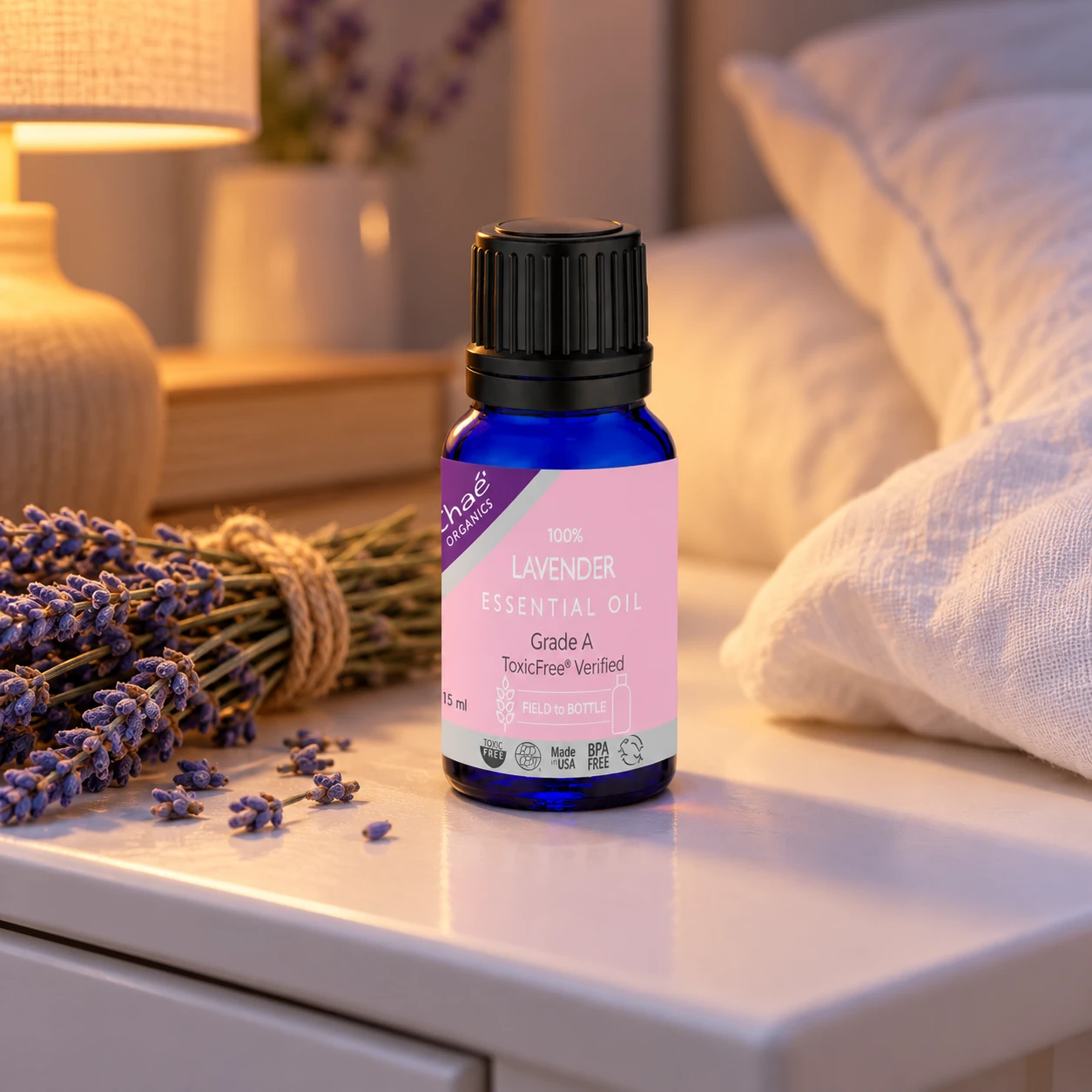
Search “lavender oil benefits” and you will find claims about sleep, stress, burns, headaches and more. Much of that research uses specific preparations, some of them taken by mouth, or small trials in clinical settings, not a diffuser at home. In the U.S., an oil sold to treat a health problem is regulated as a drug; ours is sold for its scent, and we don’t make health claims for it. If you are managing a health condition, talk with your doctor.
A few simple habits keep lavender pleasant:
A few things on the label tell you a lot:
Lavender is the everyday oil: sweet, soft and calming, at home in the diffuser, the linen closet and the bath. It isn’t phototoxic. Its real enemy is air, so keep the bottle tightly capped and cool, use it while it’s fresh, and dilute it for skin. Do that, and your evenings and linens will smell the way lavender should.
No. Lavender doesn’t contain furocoumarins, the compounds that make some citrus oils phototoxic, and Robert Tisserand, co-author of Essential Oil Safety, has written that it doesn’t sensitize skin to sunlight.
We don’t recommend it. Dilute to about 1 to 2% for the body (6 to 12 drops per 30 ml of carrier oil), half that for the face, and patch test first.
Yes, slowly. Its main molecules react with air and form compounds that are much more likely to cause a skin allergy. Keep it tightly capped, cool and dark, and use an opened bottle within about a year.
No. Lavandin is a hybrid of true lavender and spike lavender, with more camphor and a sharper, more medicinal smell. Our oil is true lavender, Lavandula angustifolia.
Be careful. The ASPCA lists lavender as toxic to cats and dogs. Diffuse only briefly in a ventilated room your pet can leave, keep the bottle out of reach, and never apply oils to a pet.
Keep the bottle out of reach, diffuse briefly in a ventilated room, and ask your pediatrician before using lavender on a child’s skin.
Every Chaé essential oil is 100% pure, Grade A, Certified ToxicFree® and Leaping Bunny certified, with the plant named on the label. Start with lavender, then build a blend.
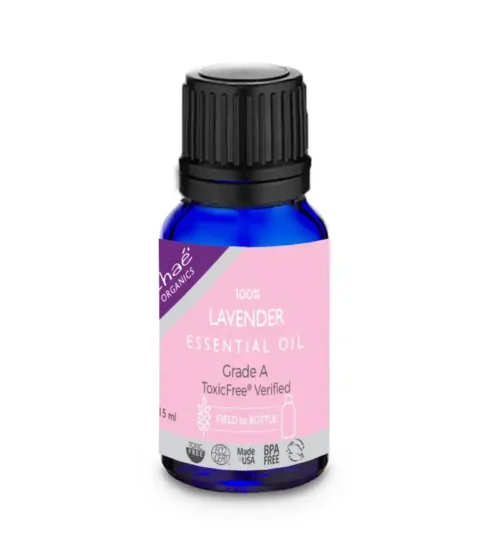
Sweet, herbal lavender from the first blooms of the season—made for slow evenings.
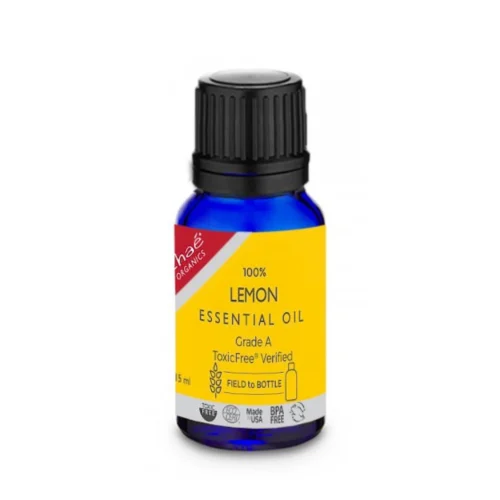
Sharp, sparkling lemon zest—sunshine in a bottle for your mood and your home.
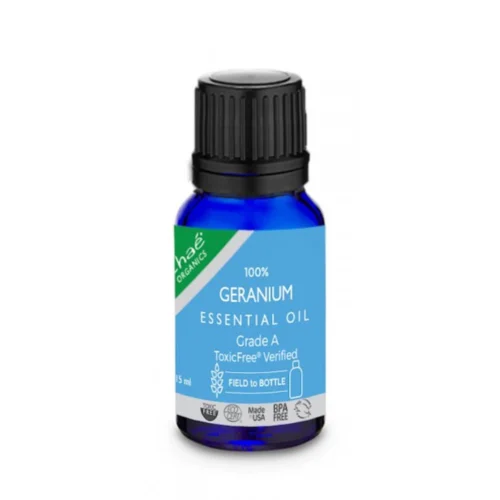
Sweet, rosy florals, distilled on the family farm where the plants are grown.
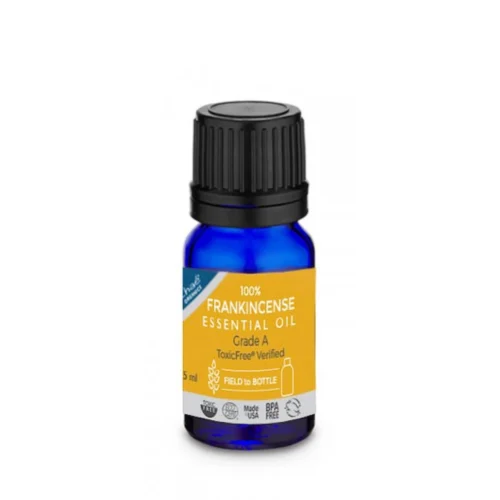
Traceable, fair-trade frankincense with a spicy, earthy warmth and a hint of fruit.
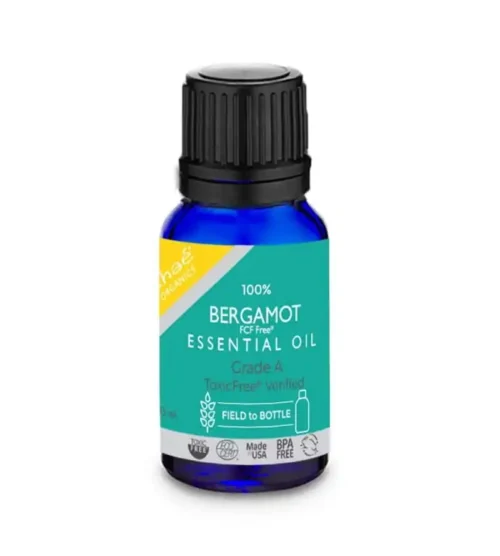
Fresh Italian citrus with a sweet, peppery heart—the refined note behind classic colognes.
Find out what essential oils are, how they work, and how they can help you get the results you want!
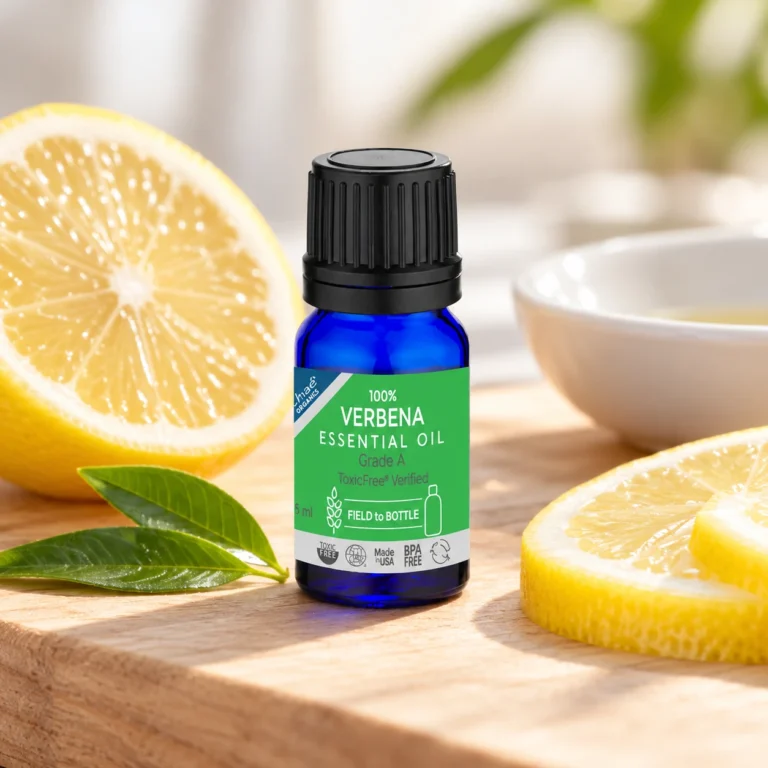
Verbena essential oil (Verbena officinalis): how it differs from lemon verbena, what it smells like, diffuser and room-mist blends, and why it's…
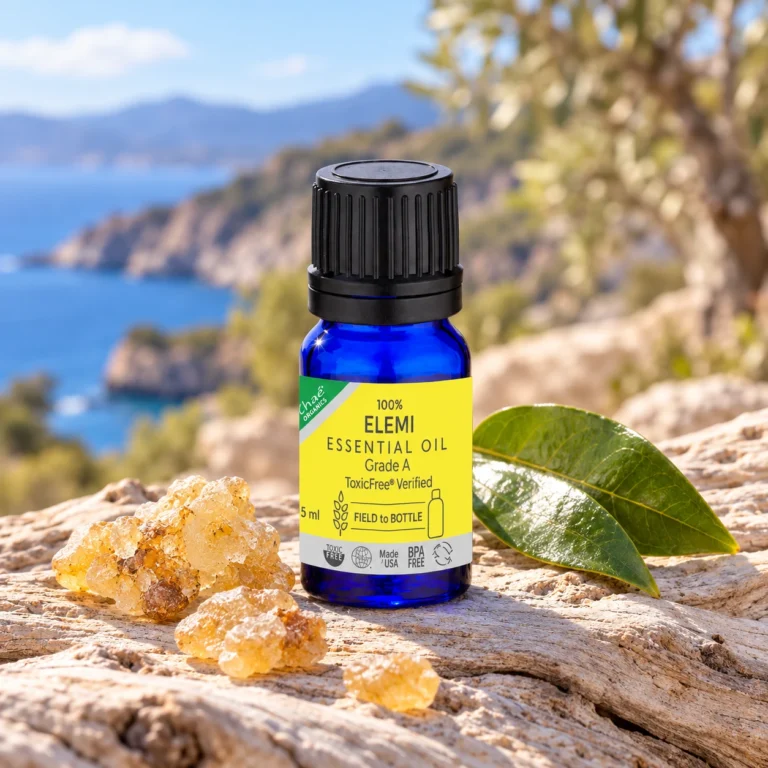
What is elemi essential oil? A bright, lemony resin oil, frankincense's lighter cousin. How it smells, blends to try, how much to…
Sign up for ToxicFree® tips, new arrivals and member-only offers. Your code arrives in your welcome email.

Sign in to check out faster, track orders and manage Subscribe & Save.