
Spearmint Essential Oil: The Sweet, Gentle Mint (and How to Use It)
What spearmint essential oil is, how it differs from peppermint, diffuser blends and an easy room spray, and how to use it…
 Certified ToxicFree® · Cruelty-free · Made in Colorado
Peppermint is the mint that wakes a room up: cool, bright and unmistakable. Here is what our English white peppermint is, whether it’s phototoxic, how to use it, and how to use it safely, especially around little ones.
Open a bottle of peppermint and you feel it before you smell it: a clean, cold rush that seems to clear the air. No other everyday oil announces itself quite like that.
Ours is English white peppermint, the sweeter, softer side of a famously strong plant. It is still a powerful oil. A drop or two goes a long way in a diffuser, it needs real dilution on skin, and it should never go on or near the face of a baby or young child.
The short version
Peppermint is a natural hybrid of two other mints, spearmint and water mint. It comes in two classic forms. Black peppermint has purplish stems and darker leaves and gives a bold oil. White peppermint is greener, and its oil is sweeter, milder and more floral.
Ours is white peppermint grown in England, where it is traditionally considered the finest and purest available. The oil is made by steam distillation: steam passes through the freshly cut leaves and flowering tops, carries the aromatic oil with it, and the oil separates from the water as it cools. As full bloom approaches, the farmers test the plants every day, so the harvest lands on the day the oil is at its most concentrated.
Choosing between the two everyday mints? Our spearmint guide compares them side by side.
You will often see peppermint written as Mentha × piperita. The “×” marks it as a hybrid, and both spellings mean the same plant. Our label says Mentha piperita. White and black peppermint are both forms of it, not separate species. Watch for bottles that just say “mint oil”: cornmint (Mentha arvensis) is a different, cheaper plant.
No. Peppermint oil isn’t phototoxic. Tisserand and Young’s Essential Oil Safety, the standard safety reference, doesn’t list it among the phototoxic oils, and the Cosmetic Ingredient Review’s safety assessment of peppermint oil found that it did not appear to be phototoxic.
Phototoxic oils contain furocoumarins, compounds that react with sunlight on the skin and can cause redness, blistering or dark patches that last for months. They show up mainly in cold-pressed citrus oils such as bergamot, lime and bitter orange, which is why those carry real sun limits. Peppermint doesn’t contain them.
The sun note on our product pages is a general caution we give for every oil. Peppermint itself isn’t known to cause sun reactions.
Peppermint is a bright top note of cool, sweet mint that opens fast and clean. White peppermint keeps the menthol chill but rounds it off with an almost floral sweetness.
It is also the loudest oil in most blends, so start with a drop or two: it is easy to add more mint and impossible to take it out. A few diffuser blends to try, in drops for a standard water diffuser:
Start with 2 to 3 drops in the water reservoir, since peppermint fills a room fast. It suits early mornings and the mid-afternoon slump. Diffuse for 30 to 60 minutes at a time, in a room with some airflow, and not where a child under 3 sleeps or plays.
About 1% is plenty: 6 drops in 30 ml (1 oz) of a carrier oil such as jojoba or sweet almond. For a scalp rub, add 2 drops to 10 ml of jojoba, also about 1%. Keep it back from the hairline so it can’t run toward your eyes, and wash your hands afterward.
For a bright, clean mint in a kitchen or bathroom, mix in a 100 ml (about 3.4 oz) glass spray bottle:
Shake well before every spray, since oil and water separate. Mist into the air rather than onto people or pets, and test on a hidden spot before spraying fabric.
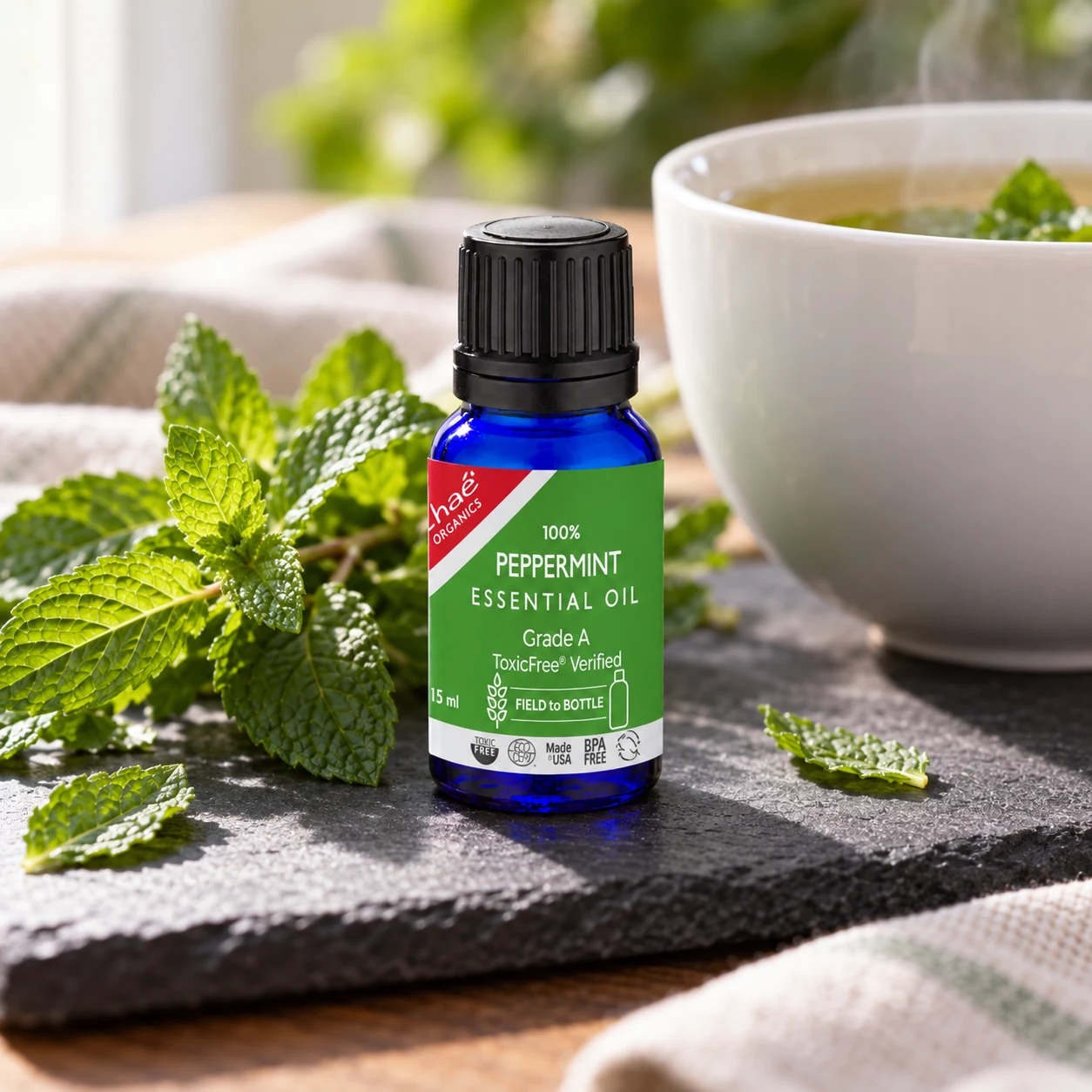
Not undiluted. At full strength, peppermint can irritate skin, and its menthol can irritate the eyes, nose and mouth. Tisserand and Young set a maximum of 5.4% for adult skin, but you will rarely want anywhere near that: 1% already feels distinctly cool.
For the body, stay around 1%. We don’t recommend peppermint on the face, because its vapor rises straight to the eyes and can make them sting even when it is diluted. Patch test on your inner arm first, and stop if your skin reacts.
Menthol, the molecule that makes peppermint feel cool, can slow a small child’s breathing. In infants, menthol on or near the face can trigger a reflex that tightens the airway or makes breathing pause. Here is how to handle it, based on Tisserand and Young and the Tisserand Institute:
Spearmint, which has very little menthol, is sometimes suggested as a gentler family mint. It is still a concentrated oil, so check with your pediatrician first.
Search “peppermint oil benefits” and you will find headaches, digestion, focus and more. Much of that research is on peppermint oil capsules made and dosed as medicines, or on small, specific studies, not on a diffuser at home. In the U.S., an oil sold to treat a health problem is regulated as a drug; ours is sold for its scent, and we don’t make health claims for it. If you are managing a health condition, talk with your doctor.
Peppermint is the wake-up oil, and English white peppermint gives it a sweeter, softer edge. It isn’t phototoxic, but it is strong. Dilute it to about 1%, keep it away from eyes, pets and the faces of little ones, skip it entirely around children under 3, and a couple of drops will make any room feel wide awake.
No. Peppermint doesn’t contain furocoumarins, the compounds that make some citrus oils phototoxic, and Tisserand and Young don’t list it as phototoxic. It won’t make skin burn more easily in the sun.
Never put it on or near the face of a baby or young child. Under 3, it is best avoided altogether, including in the diffuser. From 3 to 6, it can be diffused or used on skin at no more than 0.5% (1 drop per 10 ml of carrier oil), away from the face.
Not undiluted. About 1% (6 drops per 30 ml of carrier oil) is plenty for the body. Keep it off the face and patch test first.
Both are Mentha piperita. Black peppermint has purplish stems and a bolder oil; white peppermint is greener, with a sweeter, milder, more floral oil. Ours is English white peppermint.
Be careful, especially with cats. The ASPCA lists mint as toxic to dogs, cats and horses because of its essential oils. Diffuse only briefly, in a ventilated room your pet can leave, and never apply oils to a pet.
Every Chaé essential oil is 100% pure, Grade A, Certified ToxicFree® and Leaping Bunny certified, with the plant named on the label. Start with peppermint, then add a bright partner.
Crisp, cool English white peppermint — a wide-awake scent with a sweeter, floral edge.
Sharp, sparkling lemon zest—sunshine in a bottle for your mood and your home.
Sweet, herbal lavender from the first blooms of the season—made for slow evenings.
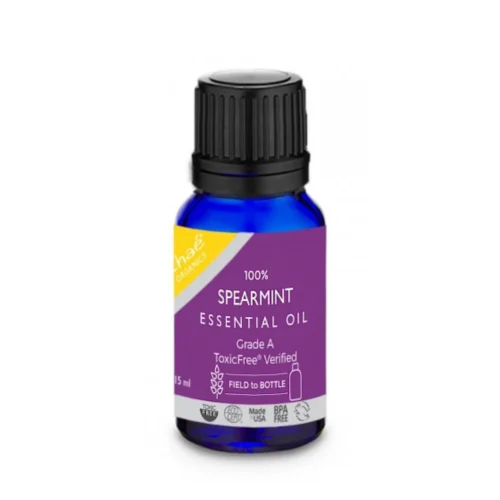
The sweet, easygoing mint: soft, rounded spearmint that’s gentler than peppermint.
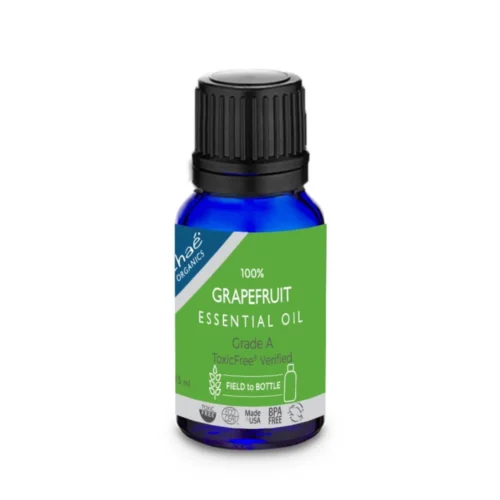
Juicy, bittersweet grapefruit with a tangy snap—an instant afternoon refresh.
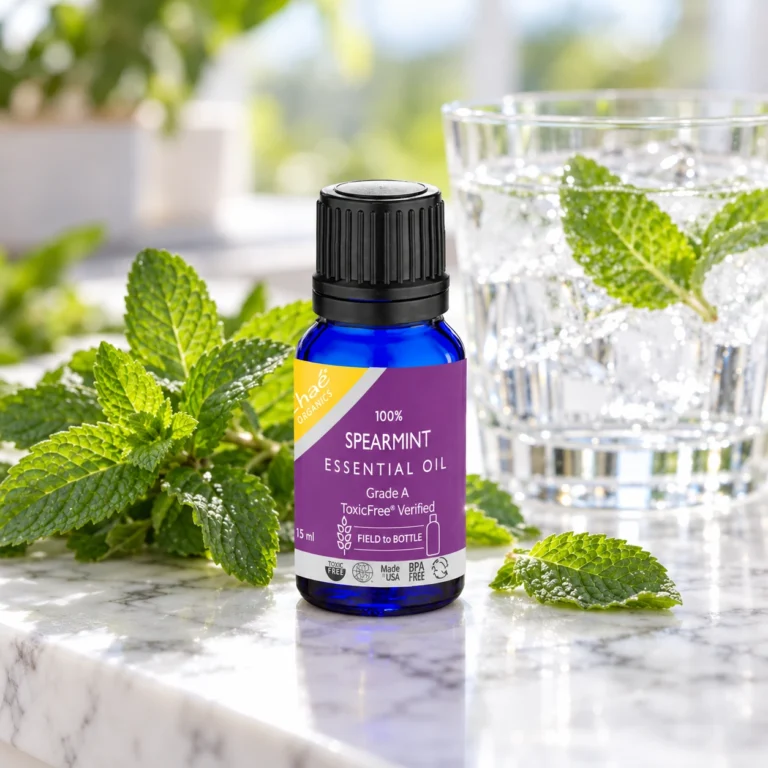
What spearmint essential oil is, how it differs from peppermint, diffuser blends and an easy room spray, and how to use it…
Find out what essential oils are, how they work, and how they can help you get the results you want!
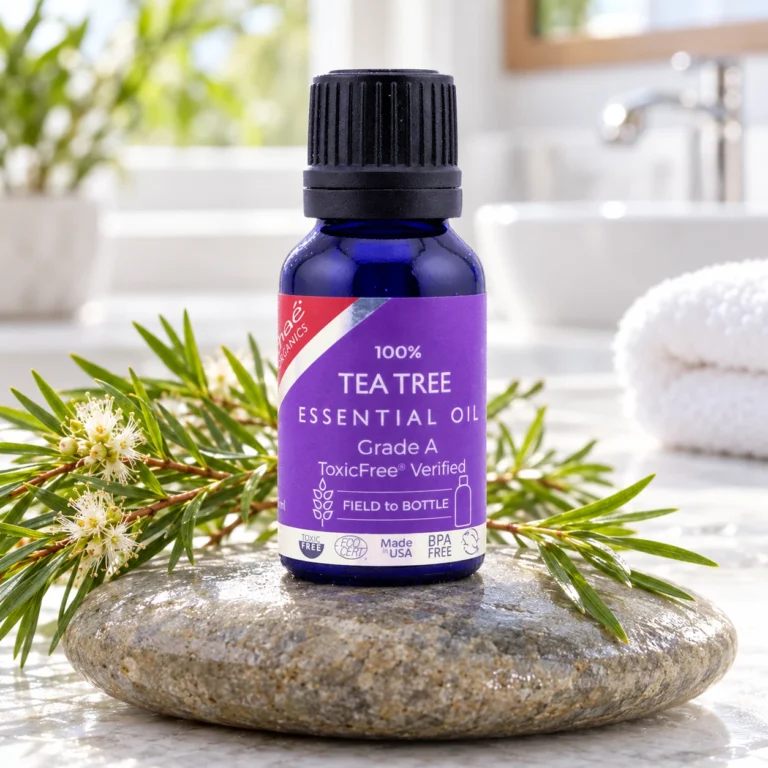
What tea tree oil is used for: the diffuser, cleaning sprays, laundry and skincare. How to keep it fresh, and why it's…
Sign up for ToxicFree® tips, new arrivals and member-only offers. Your code arrives in your welcome email.

Sign in to check out faster, track orders and manage Subscribe & Save.