
Take Control of Your Health and Wellbeing with Essential Oils
Find out what essential oils are, how they work, and how they can help you get the results you want!
 Certified ToxicFree® · Cruelty-free · Made in Colorado
Geranium rose smells like a rose that just came in from the garden: sweet and floral, with a fresh, leafy edge. Here is what the oil is, why it smells so much like rose, how to use it, and how to use it safely.
Rub a leaf of rose geranium between your fingers and you get a surprise: the leaf smells more like a rose than many roses do. That is the plant behind geranium rose essential oil, and it is the reason perfumers have leaned on it for generations whenever they want a natural rose note that doesn’t cost what rose oil costs.
The oil is sweet and rosy but never heavy, with a green brightness and a hint of mint and lemon that keeps it fresh. It is one of the most useful oils to have around the house: for linens, for body care, and for anyone who loves rose but wants something lighter.
The short version
Rose geranium is a shrubby plant native to southern Africa, with soft, deeply cut, slightly fuzzy leaves and small pink flowers. The scent lives mostly in tiny glands on the leaves, which is why brushing past the plant fills the air with rose.
Despite the name, it is neither a true geranium nor a rose. It is a pelargonium, a cousin of the hardy geraniums in the same plant family. Botanists originally grouped the two together and split them apart in the late 1700s, but gardeners never stopped calling pelargoniums geraniums, and the name stuck to the oil too.
The oil is made by steam distillation: steam passes through the fresh plant material, carries the aromatic oil with it, and the oil separates from the water as it cools. Ours comes from a dedicated five-generation family farm. Rather than cutting whole plants at the base, they trim the fresh flowers and leaves and distill them right on the farm, at peak freshness. Leaving out the woody stalks keeps out their bitter, green smell.
You will see this oil sold under all three names. Most essential oil sold as “geranium” is distilled from Pelargonium graveolens or its close relatives, and “rose geranium” usually means the same plant or an especially rosy strain. The name to look for is the botanical one: our label says Pelargonium graveolens. “Geranium fragrance” or “rose fragrance” on its own usually means a synthetic scent, not an essential oil.
Rose and rose geranium are not related, but they share chemistry. Two of the main scent molecules in rose oil, citronellol and geraniol, are also major parts of geranium oil. Geranium oil also has a little isomenthone, a minty molecule found in peppermint, which gives it that fresh, slightly lemony-mint edge real rose doesn’t have.
The balance changes with where and how the plant is grown, which is why geranium oils from different farms can smell noticeably different: some sweeter and rosier, some greener and more lemony.
No. Geranium oil isn’t phototoxic. Phototoxic oils contain furocoumarins, compounds that react with sunlight on the skin and can cause redness, blistering or dark patches that last for months. They show up mainly in cold-pressed citrus oils such as bergamot, lime and bitter orange, which is why those carry real sun limits. Geranium doesn’t contain them.
The sun note on our product pages is a general caution we give for every oil. Geranium itself isn’t known to cause sun reactions.
Geranium rose is a sweet, rosy middle note with a fresh, leafy brightness and a faint minty-lemon edge. Perfumers use it to round out rose blends. On its own it is soft and calming, a scent many people reach for when they want to slow down.
A few diffuser blends to try, in drops for a standard water diffuser:
Start with 3 to 4 drops in the water reservoir. Geranium rose is lovely for quiet evenings and slow mornings. Diffuse for 30 to 60 minutes at a time rather than all day, in a room with some airflow, and not in a room a pet can’t leave.
For sheets, pillowcases and towels, mix in a 100 ml (about 3.4 oz) glass spray bottle:
Shake well before every spray, since oil and water separate. Mist from about a foot away and let the fabric dry before you use it. Test on a hidden spot first, especially on silk or anything delicate.
A few drops of geranium rose turn plain body care into something special. Stir 6 drops into 30 ml (1 oz) of jojoba or sweet almond oil, or into the same amount of unscented lotion, which works out to about 1%. Patch test on your inner arm first.
For a simple roll-on perfume, add 3 drops geranium rose and 1 drop frankincense to a 10 ml roller bottle and top it up with jojoba, about 2% in all. Apply to the wrists or the base of the neck. It is soft, rosy and fresher than most rose perfumes.
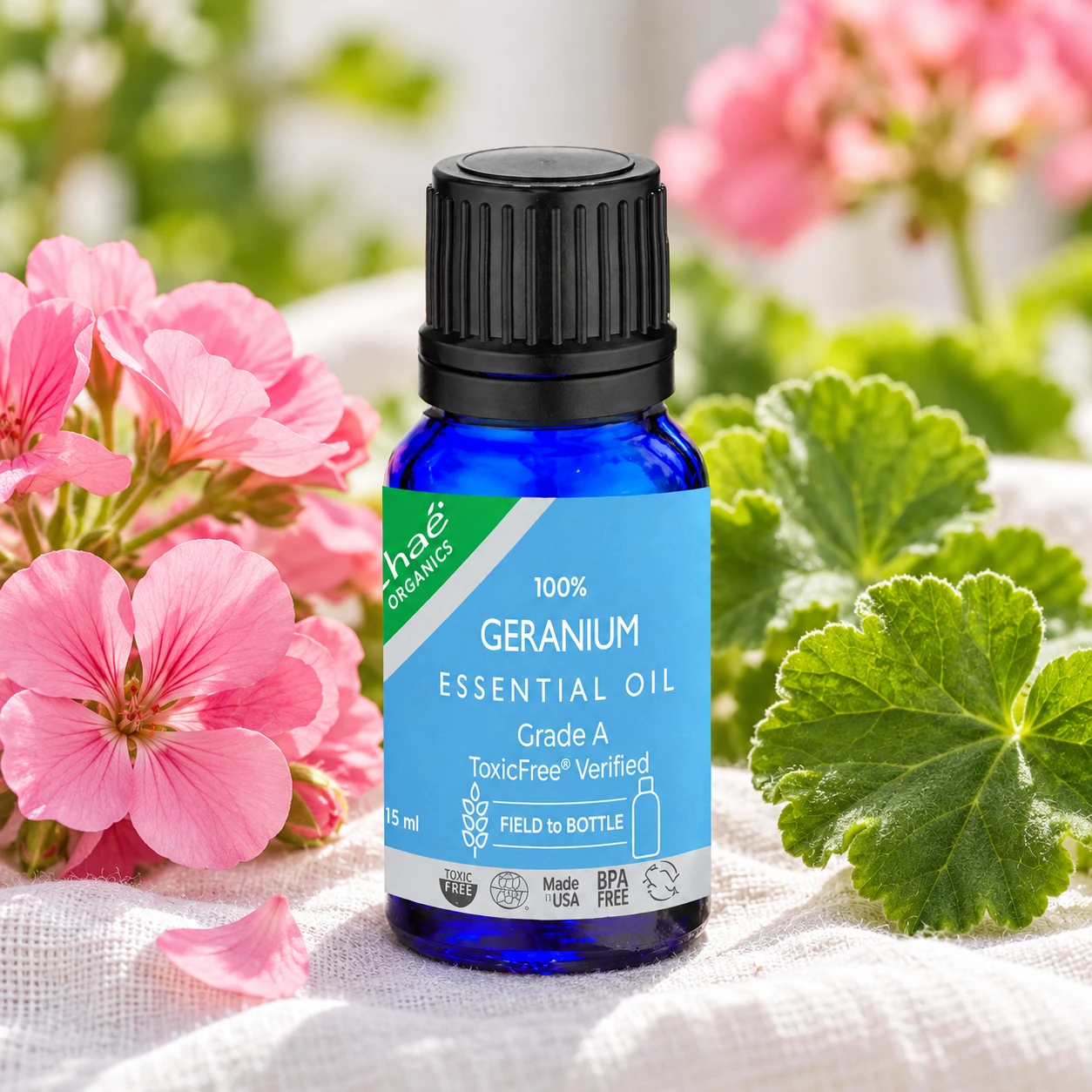
Search “geranium oil benefits” and you will find long lists, from skin and hormones to mood. Much of that comes from lab studies or small, specific trials, not from a diffuser or a body oil at home. In the U.S., an oil sold to treat a health problem is regulated as a drug; ours is sold for its scent, and we don’t make health claims for it. If you are managing a health condition, talk with your doctor.
Geranium rose is one of the friendlier oils on skin, but a few simple habits keep it pleasant:
A few things on the label tell you a lot:
Geranium rose is the rose lover’s everyday oil: sweet, fresh and easy to use in linen mists, body oils and homemade perfume. It isn’t phototoxic, and it is gentle on most skin when diluted. Patch test if you are sensitive to fragrance, keep it well away from pets, and it will make your home and your skin care smell like a garden.
No. Geranium doesn’t contain furocoumarins, the compounds that make some citrus oils phototoxic, so it won’t make skin burn more easily in the sun.
No. Rose oil comes from rose petals and is far more expensive. Geranium oil comes from the leaves and flowers of rose geranium, a different plant, but it shares two of rose’s main scent molecules, citronellol and geraniol, which is why it smells so rosy.
Usually, yes. Most geranium oil is distilled from Pelargonium graveolens or its close relatives, and “rose geranium” generally means the same plant or an especially rosy strain. Check the label for the botanical name.
Not undiluted. About 1% (6 drops per 30 ml of carrier oil or unscented lotion) is plenty for the body, less for the face. Patch test first, especially if you are sensitive to fragrance.
Be careful. The ASPCA lists scented geraniums as toxic to cats and dogs because of their essential oils. Diffuse only briefly in a ventilated room your pet can leave, keep the bottle out of reach, and never apply oils to a pet.
Kept tightly capped, cool and out of the light, about two to three years. If it smells flat or “off”, it is time for a fresh bottle.
Every Chaé essential oil is 100% pure, Grade A, Certified ToxicFree® and Leaping Bunny certified, with the plant named on the label. Start with geranium rose, then build a blend.
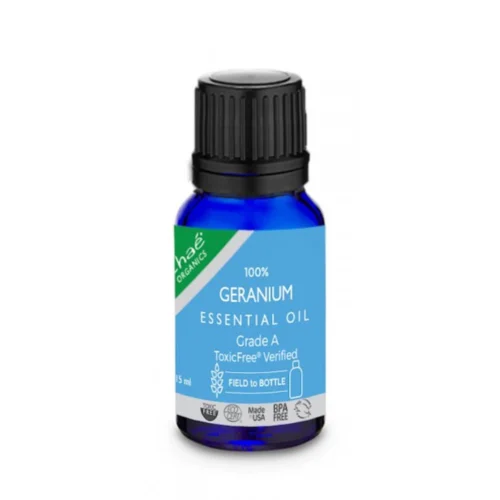
Sweet, rosy florals, distilled on the family farm where the plants are grown.
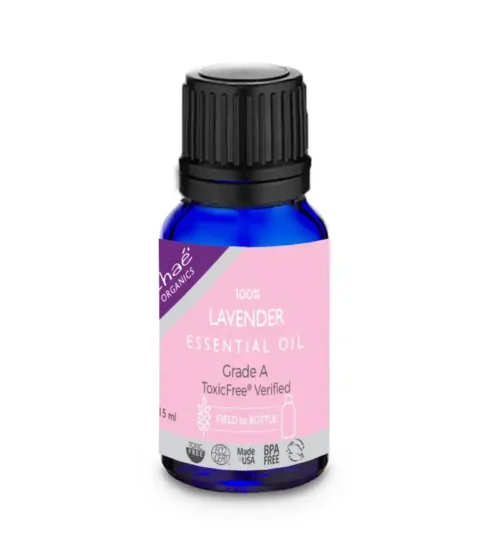
Sweet, herbal lavender from the first blooms of the season—made for slow evenings.
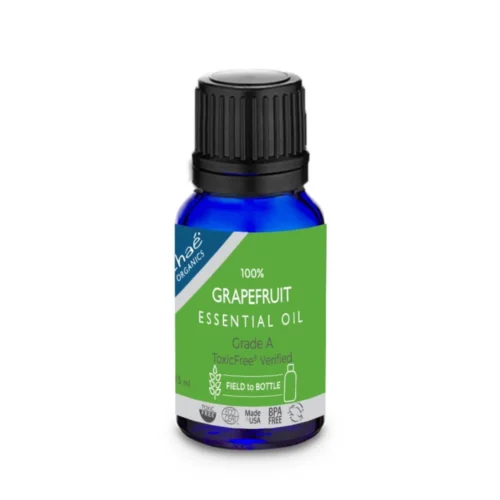
Juicy, bittersweet grapefruit with a tangy snap—an instant afternoon refresh.
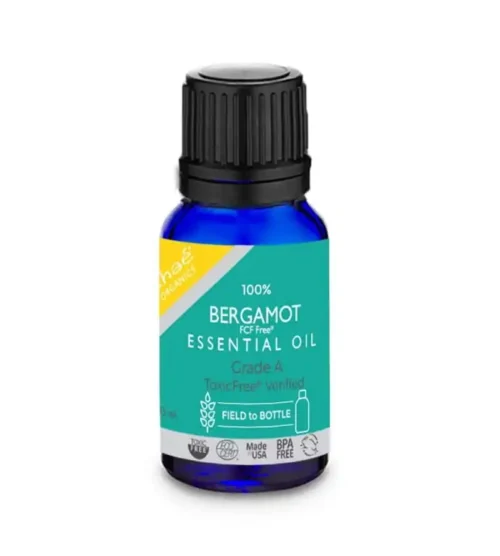
Fresh Italian citrus with a sweet, peppery heart—the refined note behind classic colognes.
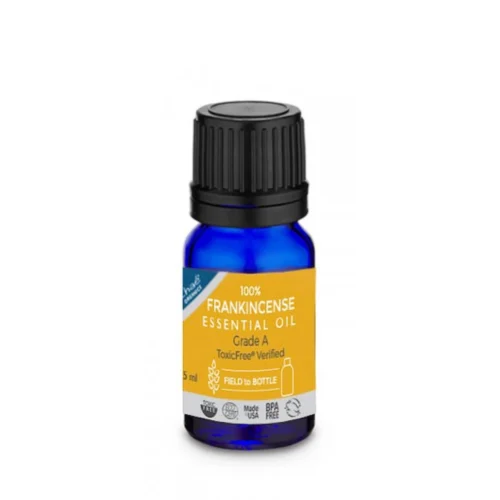
Traceable, fair-trade frankincense with a spicy, earthy warmth and a hint of fruit.
Find out what essential oils are, how they work, and how they can help you get the results you want!
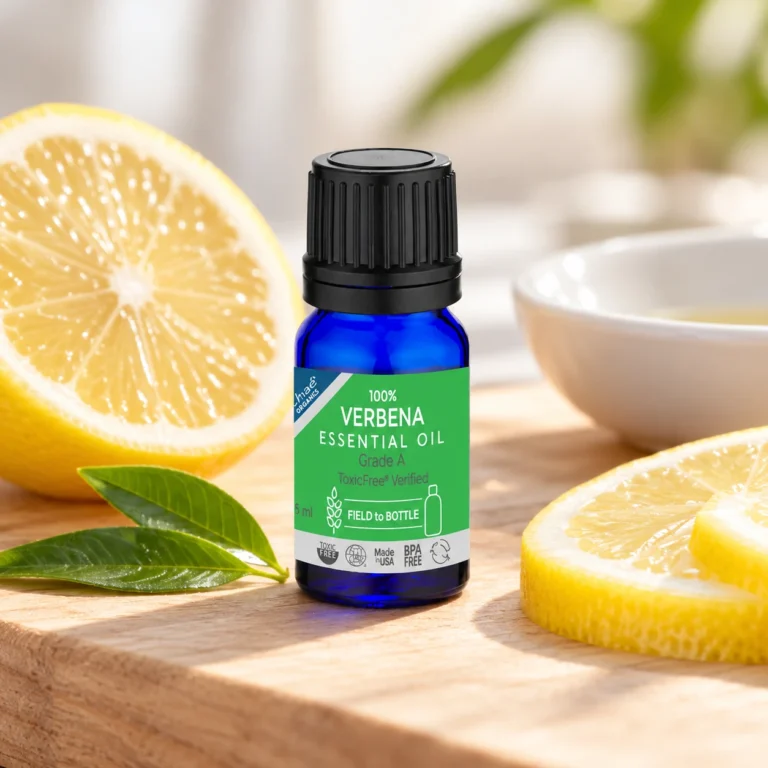
Verbena essential oil (Verbena officinalis): how it differs from lemon verbena, what it smells like, diffuser and room-mist blends, and why it's…
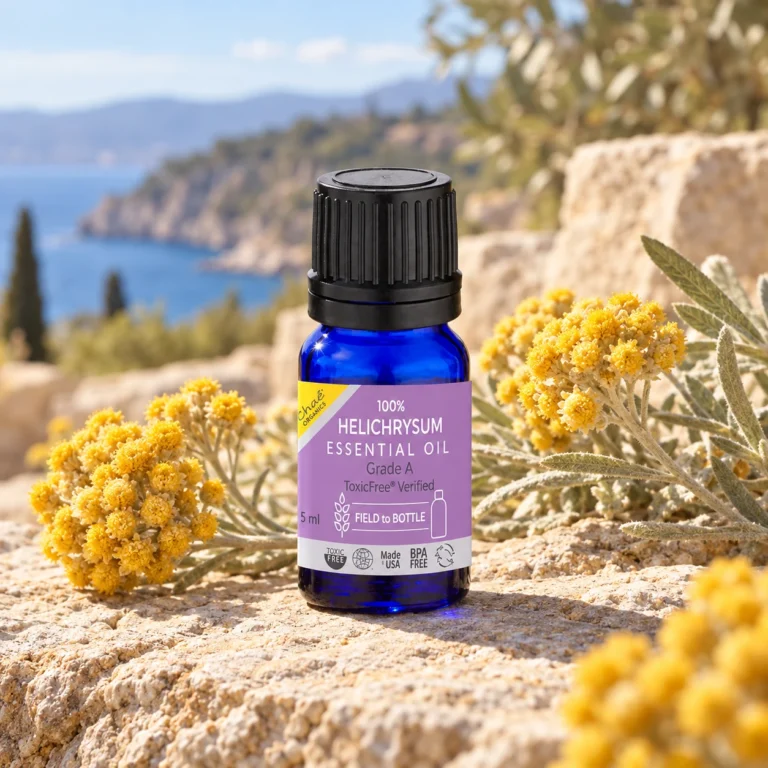
What is helichrysum oil used for? Natural perfume, facial oils and diffuser blends. What it smells like, how much to use, and…
Sign up for ToxicFree® tips, new arrivals and member-only offers. Your code arrives in your welcome email.

Sign in to check out faster, track orders and manage Subscribe & Save.