
Take Control of Your Health and Wellbeing with Essential Oils
Find out what essential oils are, how they work, and how they can help you get the results you want!
 Certified ToxicFree® · Cruelty-free · Made in Colorado
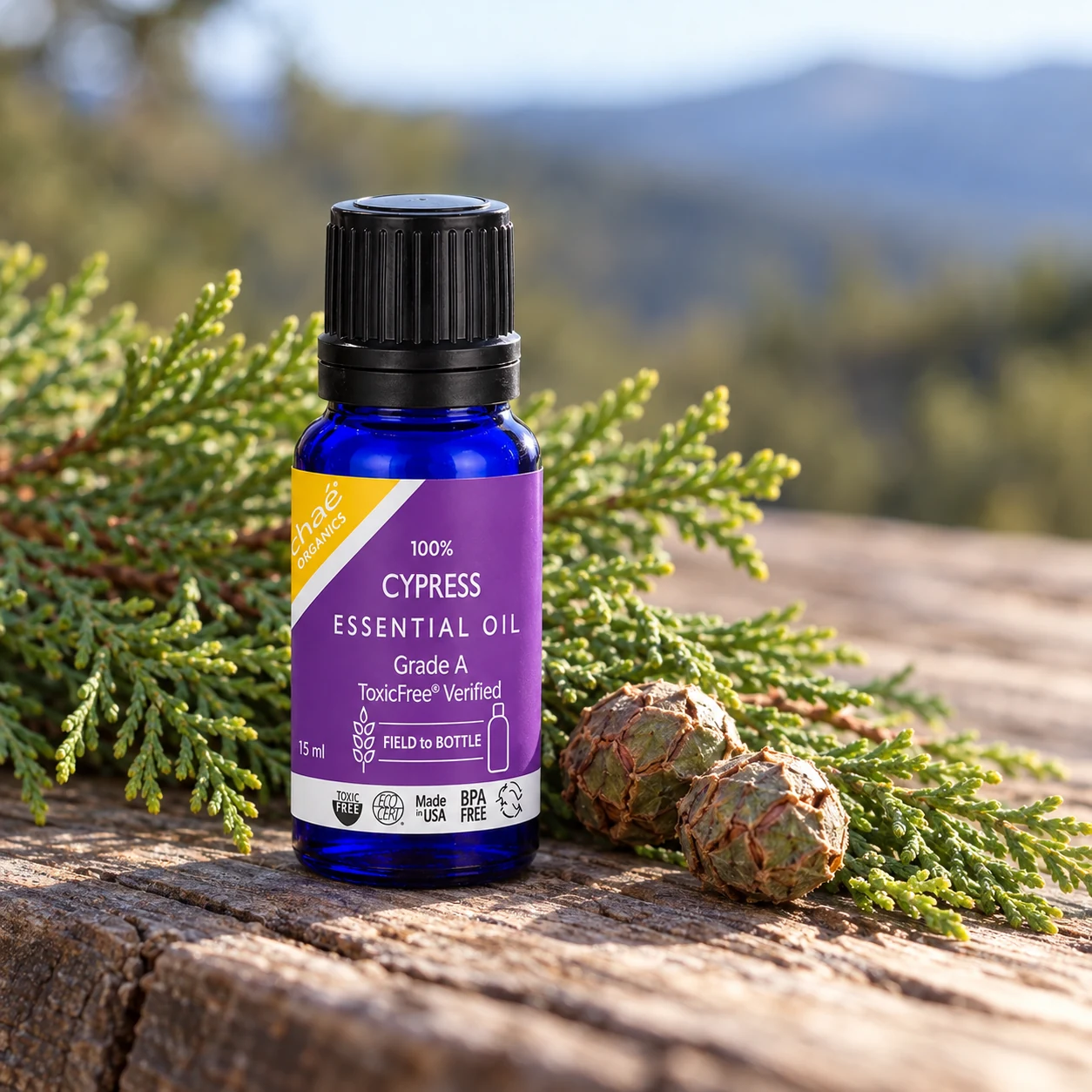
Cypress smells like walking into a Mediterranean grove: earthy, woody and clean, with a faint citrus edge. Here is what the oil is, whether it’s phototoxic, how to use it, and how to use it safely.
Picture the tall, narrow evergreens that line the roads of Tuscany and stand over old village churchyards. That is the Mediterranean cypress, and its oil smells the way those trees look: upright, green and quietly serious.
Cypress isn’t a showy oil. It doesn’t shout like peppermint or sparkle like lemon. It is a fresh, woodsy scent that makes a room feel clean and settled, and it is one of the easiest ways to add a forest note to a blend.
The short version
The Mediterranean cypress, also called Italian cypress, is a tall, slim, very long-lived evergreen native to the eastern Mediterranean. Its botanical name, sempervirens, means “always living”, and it has been planted around homes, gardens and cemeteries for thousands of years.

The oil is made by steam distillation: steam passes through the fresh foliage, carries the aromatic oil with it, and the oil separates from the water as it cools. Ours is distilled only from the fresh, dark green leaves and twigs, the terminal branches that are prized for extraction, from trees pruned between mid-October and April. No wood, no cones, no dilution.
Several different trees are sold as “cypress”. Cupressus sempervirens, the name on our bottle, is the Mediterranean cypress. Blue cypress oil comes from an Australian tree, Callitris intratropica, and hinoki oil from a Japanese one, Chamaecyparis obtusa. All three are lovely, but they smell different and are used differently. A real essential oil names its plant, so check the label rather than the word “cypress” alone.
No. Cypress oil isn’t phototoxic. Phototoxic oils contain furocoumarins, compounds that react with sunlight on the skin and can cause redness, blistering or dark patches that last for months. They show up mainly in cold-pressed citrus oils such as bergamot, lime and bitter orange, which is why those carry real sun limits. Cypress doesn’t contain them.
The sun note on our product pages is a general caution we give for every oil. Cypress itself isn’t known to cause sun reactions.
Cypress is earthy and woody, with a slightly citrusy lift and a clean, resinous, faintly smoky edge. It is strong in larger amounts, so start small: one or two drops of cypress can carry a whole blend.
It pairs naturally with citrus, lavender and other woods and resins. A few diffuser blends to try, in drops for a standard water diffuser:
Start with 2 to 4 drops in the water reservoir. Cypress is a good choice for meditation and yoga, or any time you want a room to feel calm and grounded, like opening a window onto the woods. Diffuse for 30 to 60 minutes at a time rather than all day, in a room with some airflow.
For a fresh, woodsy note in an entryway, a mudroom or a bathroom, mix in a 100 ml (about 3.4 oz) glass spray bottle:
Shake well before every spray, since oil and water separate. Mist into the air rather than onto people or pets, and test on a hidden spot before spraying fabric. Think of it as a room freshener: essential oils add scent, they don’t replace your cleaner.
Cypress makes a clean, outdoorsy personal scent that works for anyone. For a body oil, stir 6 drops into 30 ml (1 oz) of jojoba or sweet almond oil, about 1%. Add a drop of lavender or frankincense if you want it softer.
Not undiluted. Fresh cypress oil is fairly gentle, but like pine and other conifer oils it is rich in α-pinene and δ-3-carene, which react with air over time. As the oil oxidizes, it becomes much more likely to irritate skin or trigger an allergy, and once your skin is sensitized, it can react every time you use the oil.
For the body, about 1 to 2% is plenty: 6 to 12 drops in 30 ml (1 oz) of carrier oil. Use half that on the face, keep it away from the eyes, and try a small patch on your inner arm first. If your skin reacts, stop using it.
Search “cypress oil benefits” and you will find claims about circulation, veins, coughs and more. Most of that comes from traditional use or from lab studies, not from a diffuser at home. In the U.S., an oil sold to treat a health problem is regulated as a drug; ours is sold for its scent, and we don’t make health claims for it. If you are managing a health condition, talk with your doctor.
A few simple habits keep cypress pleasant:
A few things on the label tell you a lot:
Cypress is the forest in a bottle: earthy, clean and calm, strong enough that a drop or two carries a blend. It isn’t phototoxic, so it doesn’t carry the sun limits of cold-pressed citrus oils, but it still belongs diluted on skin. Keep the bottle fresh and tightly capped, pair it with lemon, lavender or frankincense, and it will make any room smell like a walk in the woods.
No. Cypress doesn’t contain furocoumarins, the compounds that make some citrus oils phototoxic, so it won’t make skin burn more easily in the sun.
Not undiluted. Dilute to about 1 to 2% for the body (6 to 12 drops per 30 ml of carrier oil), half that for the face, and patch test first.
Earthy and woody, with a slightly citrusy lift and a clean, resinous, faintly smoky edge. Fresh and green rather than sweet.
No. Our cypress oil comes from the Mediterranean cypress, Cupressus sempervirens. Blue cypress comes from an Australian tree, Callitris intratropica, and smells and behaves differently.
Be careful, especially with cats. Diffuse only briefly, in a ventilated room your pet can leave, and never apply oils to a pet. Ask your vet if your pet has breathing problems.
Kept tightly capped, cool and out of the light, about one to two years after opening. If it smells sharp or like turpentine, it has oxidized and it’s time for a fresh bottle.
Every Chaé essential oil is 100% pure, Grade A, Certified ToxicFree® and Leaping Bunny certified, with the plant named on the label. Start with cypress, then build a blend.

Step into a Mediterranean cypress grove: earthy, woody and faintly citrusy.
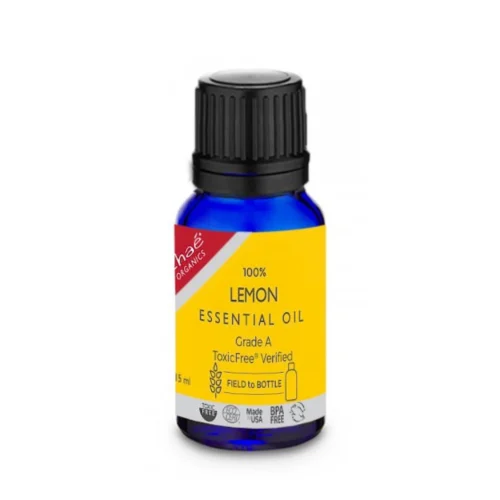
Sharp, sparkling lemon zest—sunshine in a bottle for your mood and your home.
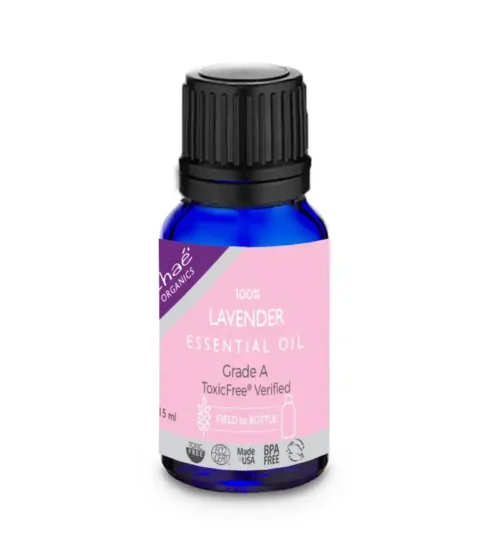
Sweet, herbal lavender from the first blooms of the season—made for slow evenings.
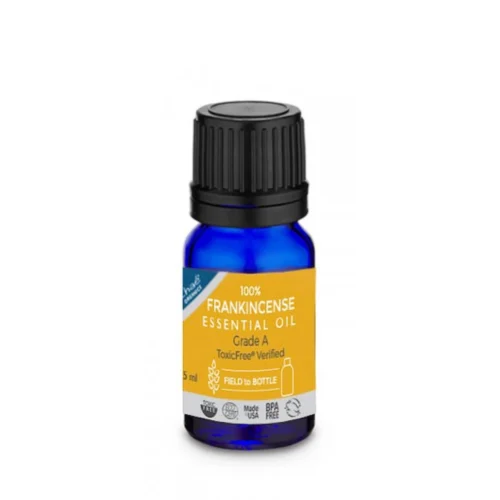
Traceable, fair-trade frankincense with a spicy, earthy warmth and a hint of fruit.
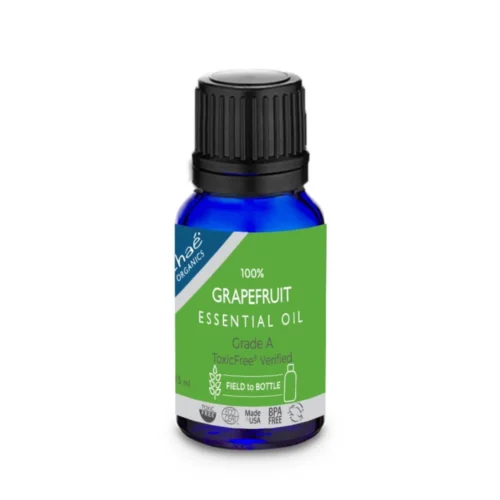
Juicy, bittersweet grapefruit with a tangy snap—an instant afternoon refresh.

Find out what essential oils are, how they work, and how they can help you get the results you want!
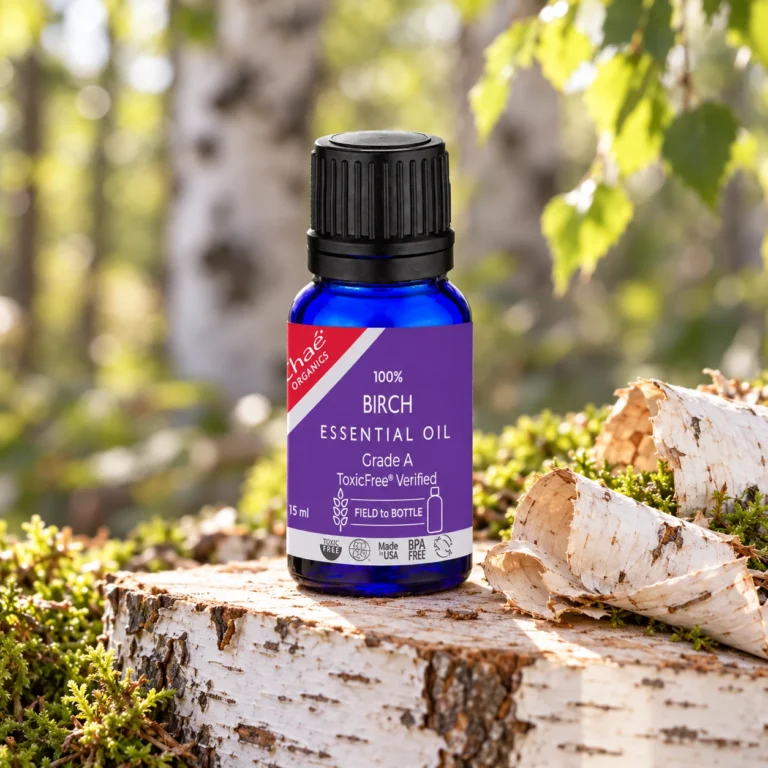
Birch essential oil: its clean, woody scent, diffuser blends, and why birch carries strong cautions for kids, pregnancy, cats and anyone on…
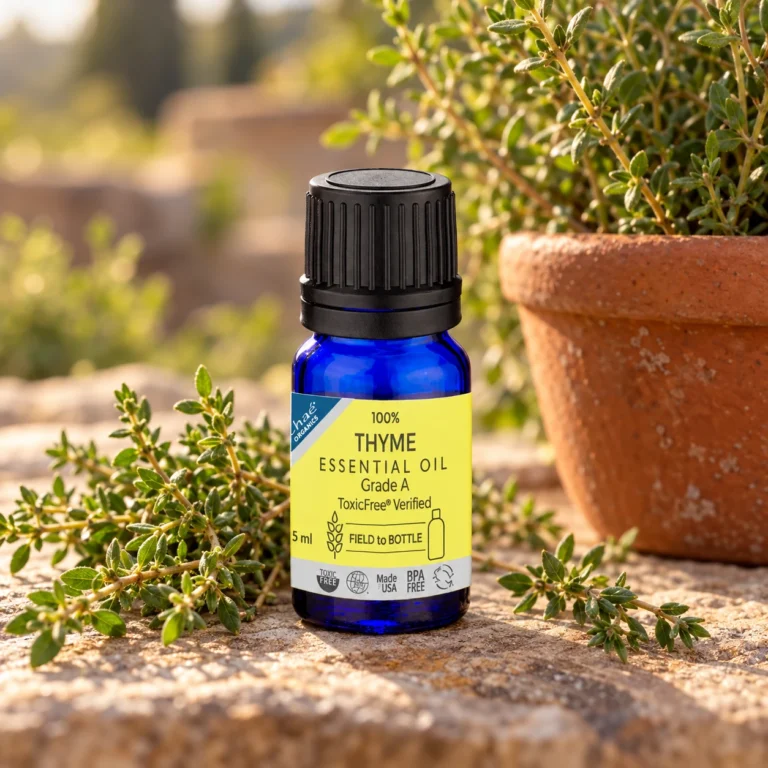
What thyme essential oil is used for, why thyme chemotypes matter, herbal diffuser blends, and how to dilute it safely when no…
Sign up for ToxicFree® tips, new arrivals and member-only offers. Your code arrives in your welcome email.

Sign in to check out faster, track orders and manage Subscribe & Save.