
Take Control of Your Health and Wellbeing with Essential Oils
Find out what essential oils are, how they work, and how they can help you get the results you want!
 Certified ToxicFree® · Cruelty-free · Made in Colorado
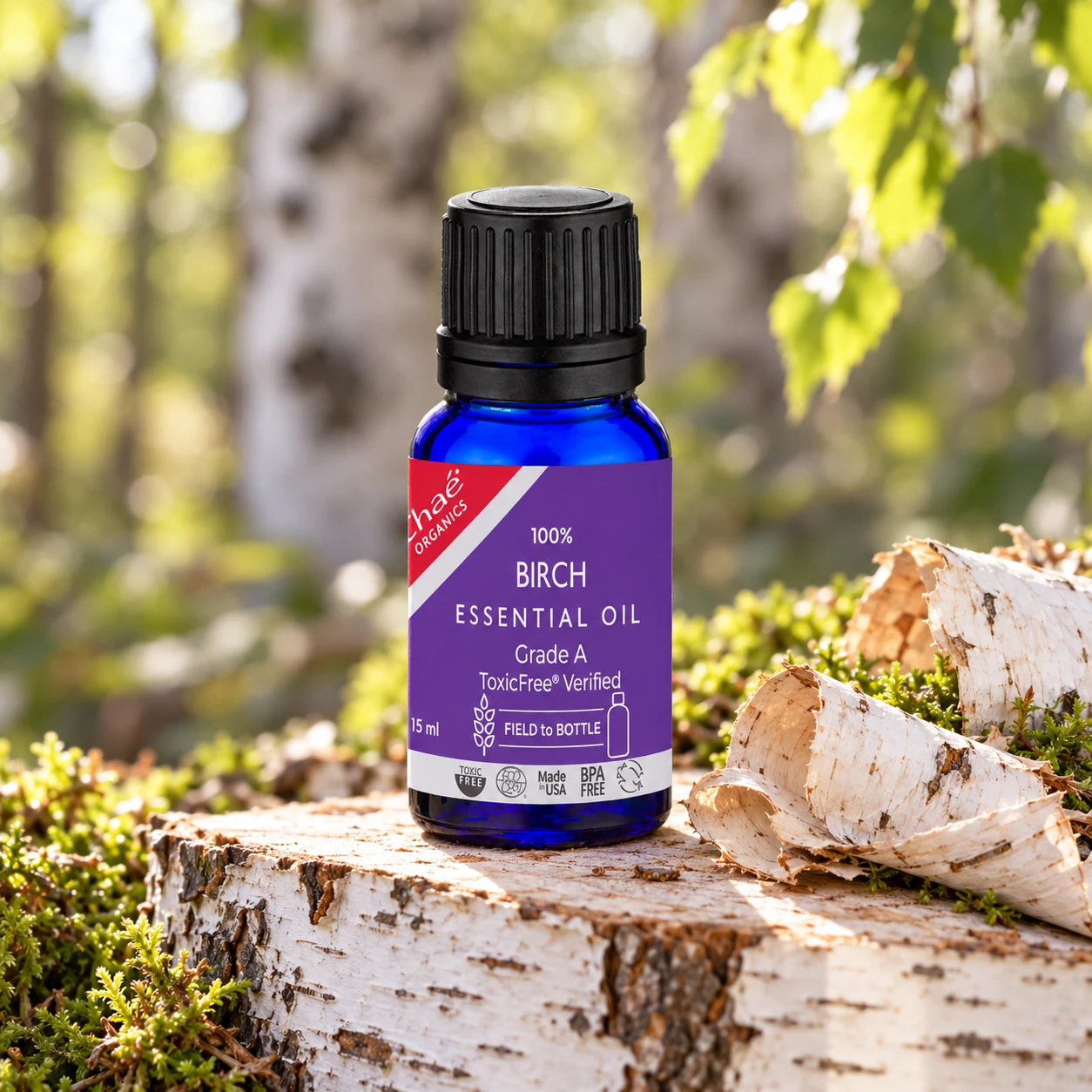
Birch oil smells clean, crisp and woody, like a walk through a stand of white birches in spring. It is also one of the essential oils that needs the most care. Here is what it is, how to use it, and who should skip it.
Birches are the slender trees with silver-white bark that light up northern woods, especially in spring, when their small leaves come out bright green. Birch essential oil captures that fresh, woodland feel in a bottle.
It is a rare oil, and one with real cautions. Some “birch oils” are almost entirely methyl salicylate, a close chemical cousin of aspirin, and birch as a whole carries some of the strictest warnings in aromatherapy. If you know who should skip it and how to dilute it, it is a lovely oil to have.
The short version
Birch essential oil is made from birch trees, but which birch, and which part of the tree, makes a big difference. Ours is a rare, 100% pure oil from the sap and bark of the white-barked birch, collected only in spring. That is the one season when sap and bark can be harvested without killing the tree, so the trees stay healthy from year to year.

Quantities are so limited that our birch is reserved a year in advance and selected from small batches. The result is a potent, noticeably fresh oil.
Three quite different products are sold as birch oil. Sweet birch oil is distilled from the bark of Betula lenta, a North American birch, and smells strongly of wintergreen. Birch tar oil is made by heating birch bark, and smells smoky and leathery. And then there are oils from the white birches of Europe and Asia. Betula alba, “white birch”, is the name on our bottle. Whatever you buy, the label should name the species, because the scent and the cautions depend on it.
The reason is methyl salicylate. It is the molecule behind the smell of wintergreen, and a close relative of aspirin. Sweet birch oil is almost entirely methyl salicylate: a 2022 study of authentic sweet birch oil measured it at 93 to nearly 100%.
Methyl salicylate passes through skin and acts in the body much like aspirin, which is why Tisserand and Young, the standard reference on essential oil safety, advise against using sweet birch and wintergreen oils:
People who are allergic or sensitive to aspirin should avoid these oils too. And because the oil is so concentrated, swallowing even a small amount of a methyl salicylate oil can seriously poison a child.
We don’t make chemistry claims for our birch, but we follow the same cautions. Our label says it is not for use on children or during pregnancy, never to swallow it, to keep it well away from children and cats, and to ask your doctor first if you take aspirin or other anticoagulants.
Our birch is clean and noticeably fresh, with a soft, rounded woodiness. It stands out as a crisp top note, the first thing you smell, and brings a fresh edge to woodsy blends.
A few diffuser blends to try, in drops for a standard water diffuser:
This is the best place for birch. Start with 2 to 3 drops in the water reservoir, alone or with a partner oil, for a clean, woodsy freshness. Diffuse for 30 to 60 minutes at a time rather than all day, in a room with some airflow, and not in a room where a cat, a child or a pregnant family member will spend time.
Adults only, and always diluted: birch can irritate at full strength. Tisserand and Young set a skin maximum of 2.5% for sweet birch oil. Ours is a different birch, so we suggest staying well under that, at about 1%: 6 drops in 30 ml (1 oz) of a carrier oil such as jojoba or sweet almond. Use it on small areas, not all over, keep it away from the face and eyes, and patch test on your inner arm first.
No. Birch oil isn’t phototoxic. Phototoxic oils contain furocoumarins, compounds that react with sunlight on the skin and can cause redness, blistering or dark patches that last for months. They show up mainly in cold-pressed citrus oils such as bergamot, lime and bitter orange. Birch isn’t among the oils known to be phototoxic.
The sun note on our product pages is a general caution we give for every oil. Birch itself isn’t known to cause sun reactions.
Search “birch oil benefits” and you will find claims about sore muscles, joints and skin. Some of that borrows from methyl salicylate, which is an active ingredient in some over-the-counter muscle rubs. Those rubs are regulated as drugs, with set strengths and warnings. In the U.S., an oil sold to treat a health problem is regulated as a drug; ours is sold for its scent, and we don’t make health claims for it. If you are managing a health condition, talk with your doctor.
A few firm rules keep birch pleasant:
A few things on the label tell you a lot:
Birch is a rare, spring-harvested oil with a clean, crisp, woody scent that freshens any woodsy blend. It isn’t phototoxic, but it carries some of the firmest cautions of any oil: not for children or pregnancy, never swallowed, kept away from cats, and checked with your doctor if you take aspirin or blood thinners. For everyone else, a few drops in the diffuser with cypress or lemon bring the woods indoors.
Mostly for its scent: a few drops in a diffuser give a room a clean, woodsy freshness, alone or with cypress, lemon or frankincense. On skin, it is for adults only and always diluted.
Ours is clean and noticeably fresh, with a soft, rounded woodiness. Sweet birch oil from Betula lenta smells strongly of wintergreen, and birch tar oil smells smoky and leathery.
No, they come from different plants. But sweet birch and wintergreen oils are both almost entirely methyl salicylate, so they share the same strong cautions.
Ask your doctor first. Methyl salicylate, the main molecule in sweet birch oil, acts much like aspirin, and Tisserand and Young advise against sweet birch for anyone on blood-thinning medication.
No. Our label says birch is not for use on children or during pregnancy. Keep the bottle well out of reach of children, and don’t diffuse it around them.
Keep it away from cats. The PDSA lists sweet birch and wintergreen among the essential oils that are toxic to cats. Diffuse it only in rooms your cat doesn’t use, and never apply oils to a pet.
Every Chaé essential oil is 100% pure, Grade A, Certified ToxicFree® and Leaping Bunny certified, with the plant named on the label. Start with birch, then add a woodsy or bright partner.

Rare, spring-harvested birch with a clean, fresh and softly woody scent.

Step into a Mediterranean cypress grove: earthy, woody and faintly citrusy.
Sharp, sparkling lemon zest—sunshine in a bottle for your mood and your home.
Traceable, fair-trade frankincense with a spicy, earthy warmth and a hint of fruit.
Sweet, herbal lavender from the first blooms of the season—made for slow evenings.

Find out what essential oils are, how they work, and how they can help you get the results you want!
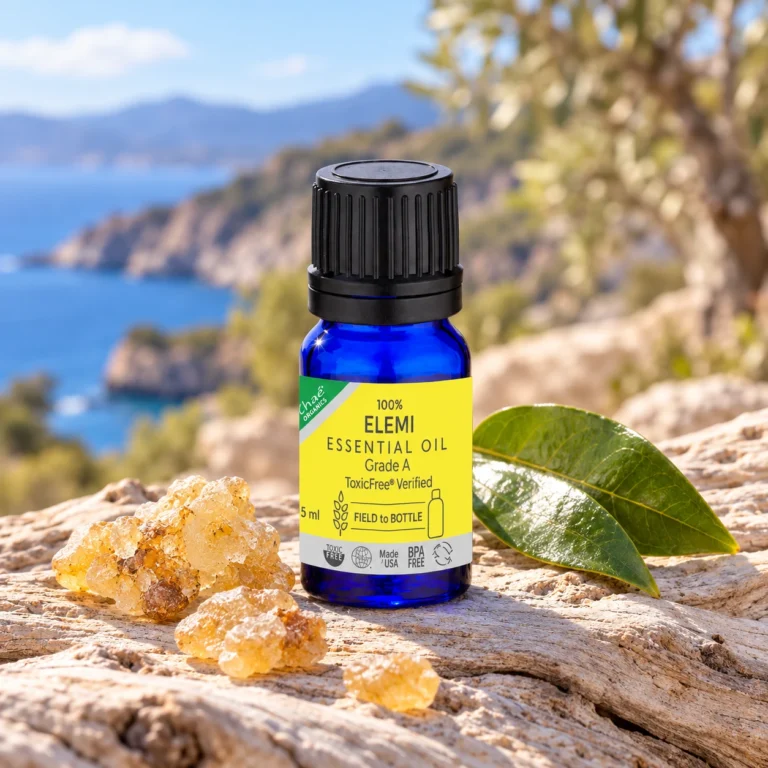
What is elemi essential oil? A bright, lemony resin oil, frankincense's lighter cousin. How it smells, blends to try, how much to…
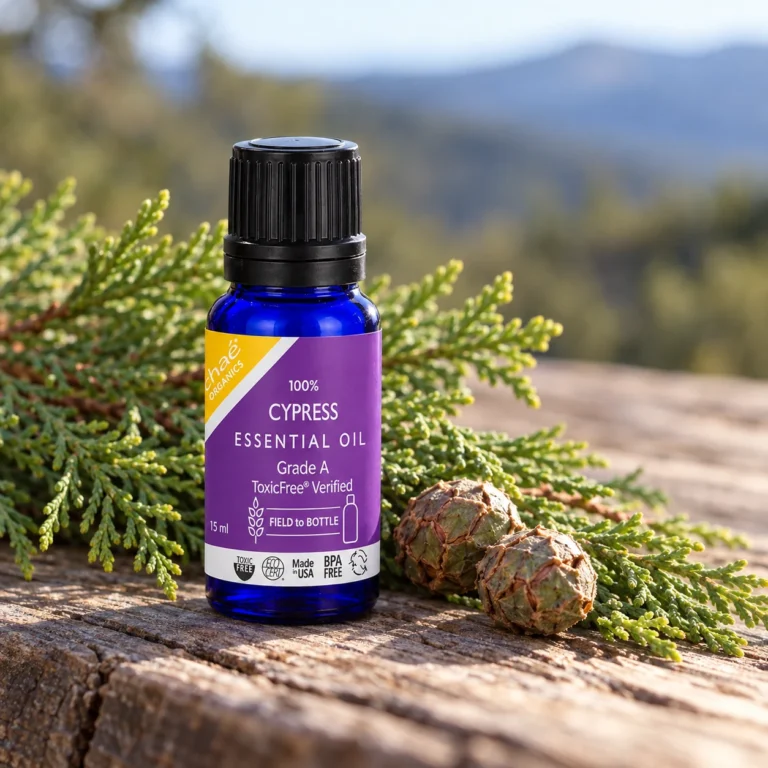
What cypress essential oil is, how it smells, diffuser blends and an easy room spray, how to dilute it, and whether it…
Sign up for ToxicFree® tips, new arrivals and member-only offers. Your code arrives in your welcome email.

Sign in to check out faster, track orders and manage Subscribe & Save.