
Lavender Essential Oil: Uses, Blends and Safety
Is lavender oil phototoxic? No. What true lavender oil is, why fresh oil matters (oxidation), how to dilute it, blends to try,…
 Certified ToxicFree® · Cruelty-free · Made in Colorado
Bergamot is the citrus behind classic eau de cologne and Earl Grey tea: bright, a little floral, never sugary. Whole bergamot oil is famous for burning skin in the sun; ours is FCF, the version made without that risk. Here is the difference, and how to enjoy it.
Bergamot is an unusual-looking fruit: round, green and bumpy, about the size of a small orange. It is grown for its peel, and for the oil in that peel, which scents classic colognes and flavors Earl Grey tea.
The oil smells fresh and sweet-tart, with a peppery, herbal heart and a soft floral edge. Whole bergamot oil also has a famous catch, shared to some degree by many citrus oils: left on skin in sunlight, it can burn. Ours is FCF bergamot, made without the compounds that cause it.
The short version
Bergamot is a small citrus tree, a cross of bitter orange and lemon. Most of the world’s crop, about 90% by most estimates, grows in Calabria, at the toe of southern Italy.

To make cold-pressed oil, the peel is pressed mechanically, without heat, and the oil separated from the juice. Ours is cold-pressed from the peel of bergamots picked by hand and carefully cleaned in the south of Italy, taken while still small, green and nearly ripe for a rich green oil. No additives, no fillers.
Cosmetic labels use standardized ingredient names, and bergamot’s is Citrus Aurantium Bergamia, a nod to its bitter-orange parent. Botanists usually write it Citrus bergamia. Don’t confuse it with bee balm, a garden herb also nicknamed bergamot: different plant, different smell.
Yes, unless it is bergapten-free. Whole bergamot oil, pressed straight from the peel, is one of the best-known phototoxic essential oils. It contains small amounts of furocoumarins, mainly bergapten, compounds that react with UVA light on the skin. A typical bergamot oil holds only around 0.3% bergapten, but that is plenty.
Put bergamot on skin, step into the sun or a tanning bed, and the skin can redden, blister and burn. It doesn’t hurt at first, which is what makes it tricky: the reaction appears hours later and can keep building for one to three days. The patchy brown marks that follow can last for weeks or months.
In Essential Oil Safety, the standard reference on the subject, Tisserand and Young set a maximum of 0.4% for bergamot oil on skin that will be exposed to sunlight. IFRA, which sets the fragrance industry’s safety standards, uses the same 0.4% for leave-on products. That is very little:
If you use more than 0.4%, the Tisserand Institute’s advice is simple: keep that skin out of sunlight and UV, including tanning beds, for at least 12 hours, by covering it completely or staying indoors. A stronger body oil is fine on skin that stays covered for those 12 hours. A bergamot perfume on bare wrists before a walk is not.
Because bergamot is so loved in perfume, producers also make a version with the furocoumarins taken out, sold as bergamot FCF (furocoumarin-free) or bergapten-free, sometimes spelled bergaptene-free. The oil is re-processed, usually by careful distillation, and FCF bergamot is considered non-phototoxic.
Ours is FCF. It is cold-pressed from the peel, and the front of our bottle says FCF Free: it’s bergamot with the furocoumarins removed, the version that isn’t considered phototoxic. So the 0.4% limit and the 12-hour rule above are for whole bergamot oil, not ours. Ours still gets diluted for skin like any essential oil, and it still needs to be kept fresh, because FCF bergamot reacts with air like other citrus oils. If you ever buy a bergamot that doesn’t say FCF or bergapten-free, follow the whole-oil limits.
Bergamot is citrus with a grown-up side: a fresh top note over a sweet, herbal, peppery heart, with a gentle floral edge. It is crisper and less sugary than orange, and softer and rounder than lemon.
It shines with florals and resins. A few diffuser blends to try, in drops for a standard water diffuser:
Start with 3 to 5 drops in the water reservoir. Phototoxicity is about oil left on skin, so diffusing doesn’t raise it. Diffuse for 30 to 60 minutes at a time, in a room with some airflow.
Mix in a 100 ml (about 3.4 oz) glass spray bottle:
Shake well before every spray. Mist into the air and over linens, not onto people or pets, and test fabric on a hidden spot first.
For a fresh, cologne-style body oil, stir 4 drops bergamot and 2 drops lavender into 30 ml (1 oz) of jojoba, about 1% in all. Ours is FCF, so it doesn’t need the whole-bergamot sun limit. With a bergamot that isn’t FCF, keep it to 2 drops in 30 ml for skin that will see the sun. Patch test on your inner arm first, and keep it away from your eyes.
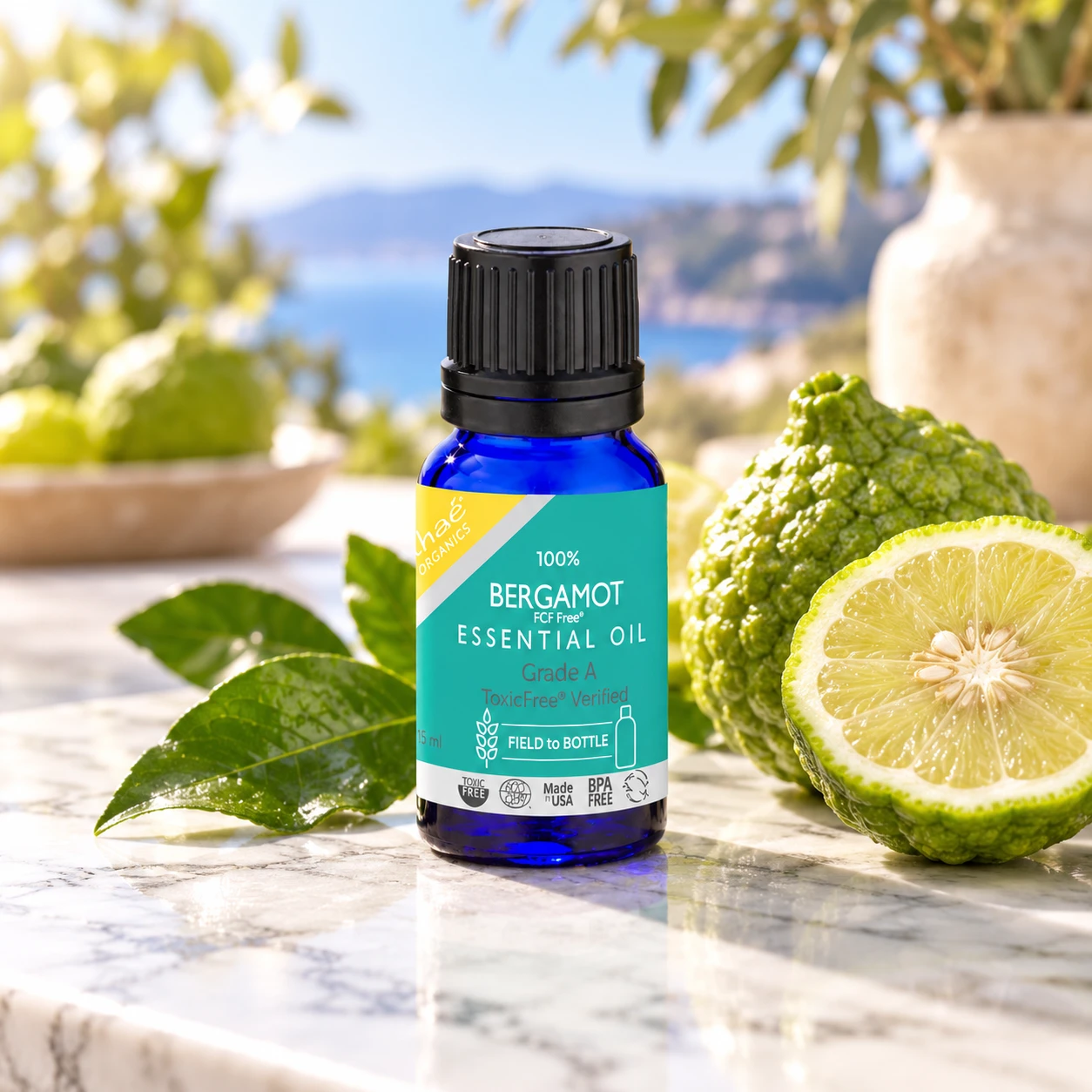
Search “bergamot benefits” and you will find claims about stress, skin and even cholesterol. The cholesterol research is on extracts of the fruit and juice taken as supplements, not on the essential oil. On skin, bergamot is a scent ingredient, and whole bergamot is a sun-sensitive one. In the U.S., an oil sold to treat a health problem is regulated as a drug; ours is sold for its scent, and we don’t make health claims for it. If you are managing a health condition, talk with your doctor.
Bergamot is the most refined of the citrus oils, at home in a diffuser, a linen mist or a homemade cologne. Whole bergamot asks for one rule on skin: 0.4% or less where the sun will reach, or 12 hours covered up. Ours is FCF, made without the compounds that cause sun reactions, so just dilute it like any oil. Keep the bottle fresh, and it will give you Italian citrus without the sunburn.
Whole, cold-pressed bergamot oil is, because of its bergapten. Bergapten-free (FCF) bergamot is considered non-phototoxic. Ours is FCF, as the bottle says.
0.4% on skin that will be exposed to sunlight, and IFRA uses the same figure. That’s about 2 drops in 30 ml (1 oz) of carrier oil.
If you’ve used more than 0.4% on skin, keep that skin out of sunlight and UV, including tanning beds, for at least 12 hours.
Furocoumarin-free. The oil has been re-processed to remove bergapten and related compounds, and it is considered non-phototoxic. Our bergamot is FCF.
Be careful, especially with cats. Diffuse only briefly, in a ventilated room your pet can leave, and never apply oils to a pet.
From opening, about 6 to 12 months at room temperature, or 1 to 2 years tightly capped in the fridge. If it smells flat or “off”, replace it.
Every Chaé essential oil is 100% pure, Grade A, Certified ToxicFree® and Leaping Bunny certified, with the plant named on the label. Start with bergamot, then add a floral or a resin.
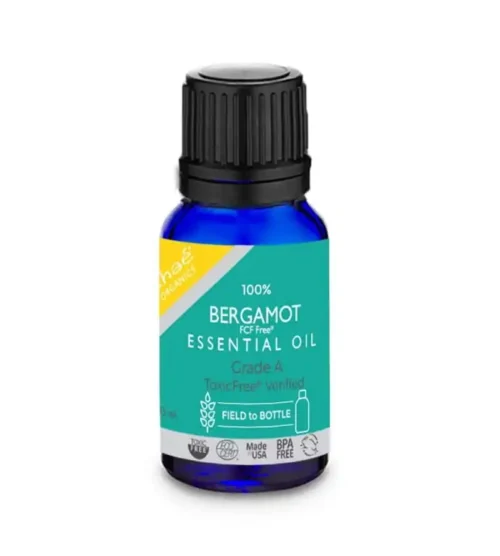
Fresh Italian citrus with a sweet, peppery heart—the refined note behind classic colognes.
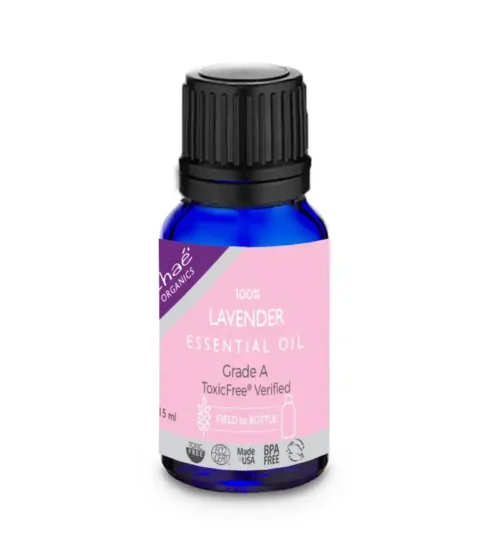
Sweet, herbal lavender from the first blooms of the season—made for slow evenings.
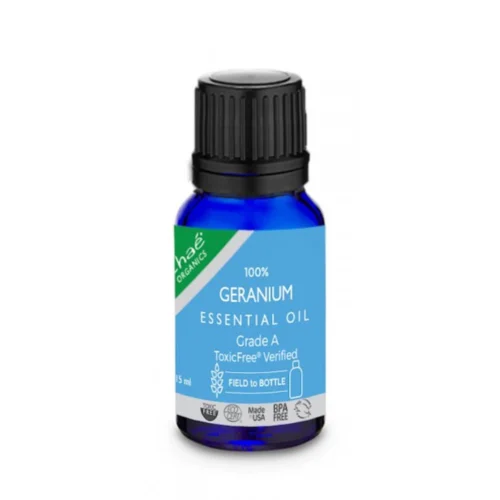
Sweet, rosy florals, distilled on the family farm where the plants are grown.
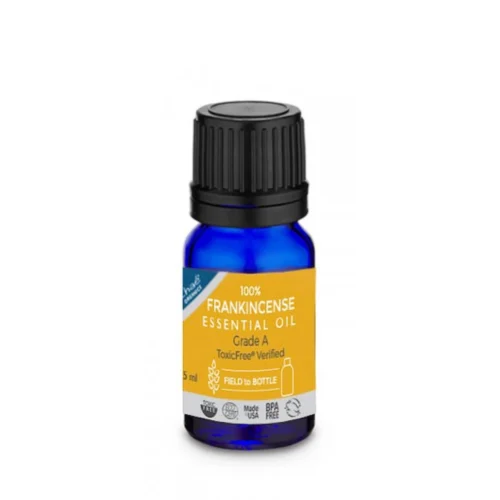
Traceable, fair-trade frankincense with a spicy, earthy warmth and a hint of fruit.
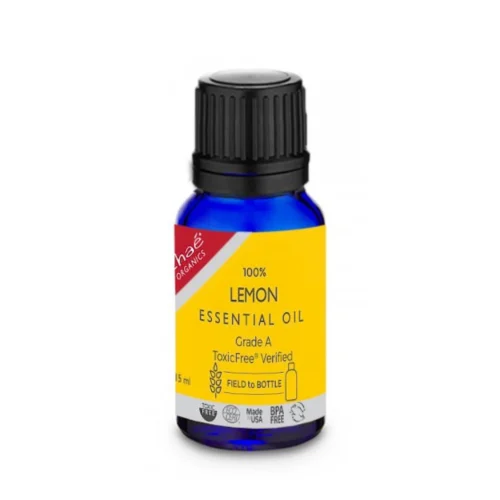
Sharp, sparkling lemon zest—sunshine in a bottle for your mood and your home.
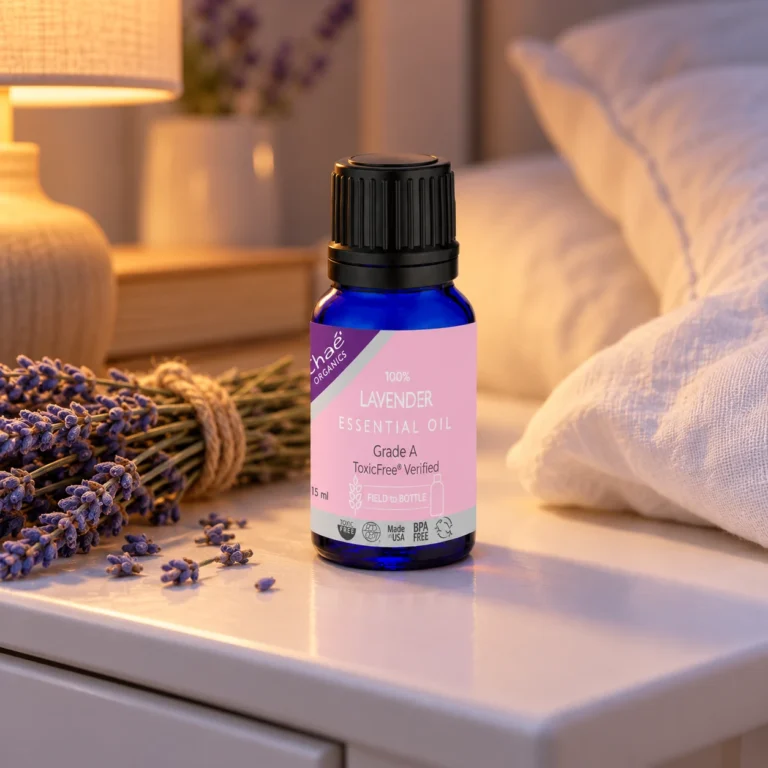
Is lavender oil phototoxic? No. What true lavender oil is, why fresh oil matters (oxidation), how to dilute it, blends to try,…
Find out what essential oils are, how they work, and how they can help you get the results you want!
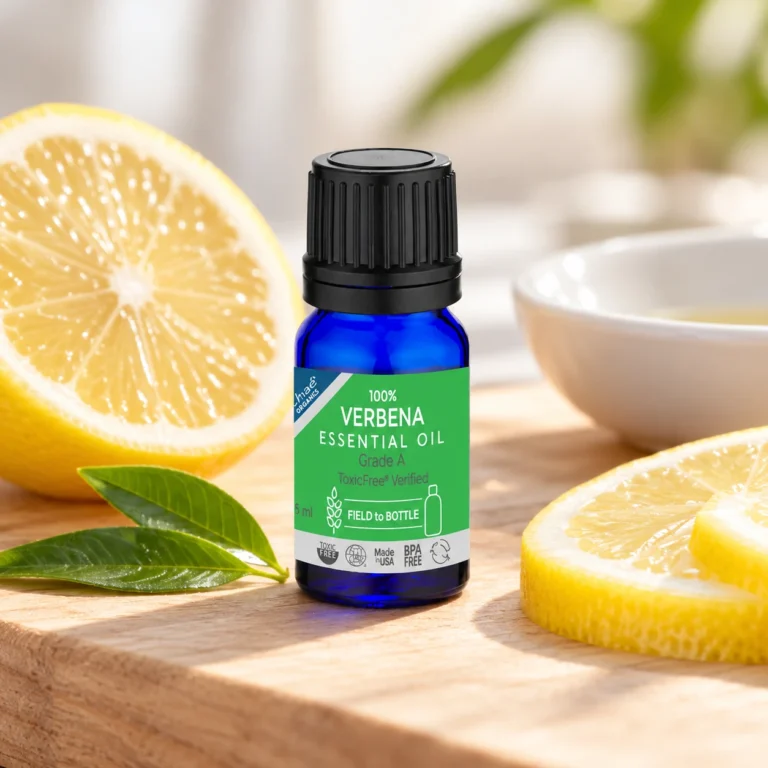
Verbena essential oil (Verbena officinalis): how it differs from lemon verbena, what it smells like, diffuser and room-mist blends, and why it's…
Sign up for ToxicFree® tips, new arrivals and member-only offers. Your code arrives in your welcome email.

Sign in to check out faster, track orders and manage Subscribe & Save.