
Take Control of Your Health and Wellbeing with Essential Oils
Find out what essential oils are, how they work, and how they can help you get the results you want!
 Certified ToxicFree® · Cruelty-free · Made in Colorado
Verbena is the sunny one: sweet, citrusy and earthy, made for the diffuser and homemade room mists. Here is what our verbena oil is, how verbena differs from lemon verbena, how to use it, and why we keep it off the skin.
Some oils are about calm. Verbena is about mood: a sweet, citrus-bright scent with a soft, earthy heart, the kind of smell that makes a kitchen feel like a spring morning with the window open.
It is also an oil with a confusing name. “Verbena” gets used for more than one plant, and lemon verbena, the one most people have heard of, belongs to a different genus altogether. So this guide starts with the basics: which plant is in our bottle, how it differs from lemon verbena, and how to enjoy it.
The short version
Common vervain is a slender, upright wild herb, usually no taller than about 70 cm (28 in), with lobed, toothed leaves and delicate spikes of tiny mauve flowers. It grows wild across much of Europe, Asia and Africa. It’s a modest-looking plant, nothing like the showy verbenas sold for gardens and hanging baskets.
Ours is made from the youngest, richest leaves, harvested by hand with sharp, sterilized secateurs at the end of spring. The timing matters: the leaves are picked just as the first flowers open and before the summer heat, when they hold their most concentrated essence. Some producers harvest at any time of year; ours waits for that moment. The result is a dazzling green oil with a uniquely sweet, citrusy and earthy fragrance.
Several plants share the word “verbena”, so the botanical name is the one to check. Verbena officinalis, the name on our bottle, is common vervain. Verbena was the old Roman word for sacred herbs, and officinalis marks a plant once kept in the apothecary’s shop. Vervain has a long history in European folklore.
Verbena and lemon verbena share a name and a plant family, the Verbenaceae, but they are different plants.
| Verbena (vervain) | Lemon verbena | |
|---|---|---|
| Botanical name | Verbena officinalis | Aloysia citrodora (older names include Lippia citrodora and Aloysia triphylla) |
| The plant | Slender wild herb, up to about 70 cm (28 in) tall | Bushy shrub, often 2 to 3 m (7 to 10 ft) tall |
| Native to | Much of Europe, Asia and Africa | South America (southern Bolivia to northwestern Argentina) |
| Leaves | Lobed and toothed | Long and narrow, with a strong lemon smell when crushed |
| On our label? | Yes: our Verbena Essential Oil | No |
So where does the mix-up come from? Partly history: lemon verbena was itself filed under Verbena for a while, as Verbena triphylla, before botanists moved it to its own genus. And partly everyday language, where “verbena” gets used loosely for both.
If you are shopping for either one, check the botanical name. It is the only reliable way to know which plant you’re getting. Ours says Verbena officinalis, so that’s the plant this guide is about.
We make it for the diffuser and room mists, not for skincare. Verbena oil can irritate skin at full strength, and it can make skin more sensitive to the sun. That’s why you won’t find a body oil or perfume recipe in this guide.
If it does touch your skin, dilute it well and keep that area out of strong sunlight. For a spill, wipe the spot with a little carrier oil such as jojoba, then wash with soap and water. If redness or itching doesn’t settle, call your doctor.
Verbena is uniquely sweet and citrusy up top, settling into a soft, earthy warmth. It is lovely on its own, and in a blend it lifts florals and brightens other citrus oils.
A few diffuser blends to try, in drops for a standard water diffuser:
This is the easiest way to enjoy it. Start with 3 to 5 drops in the water reservoir and add more if you like. Verbena is a natural fit for bright mornings, slow weekends and any time you want a fresh, optimistic mood in the house. Diffuse for 30 to 60 minutes at a time rather than all day, in a room with some airflow.
For a sunny, sweet-citrus note in a kitchen, entryway or bathroom, mix in a 100 ml (about 3.4 oz) glass spray bottle:
Shake well before every spray, since oil and water separate. Mist into the air, away from faces, rather than onto people, pets or bedding, and test on a hidden spot before spraying fabric. Think of it as a room freshener: essential oils add scent, they don’t replace your cleaner.
Verbena is a good team player. Add a drop or two to a diffuser blend that feels flat, especially one built on florals like lavender or geranium rose, and it will brighten the whole mix.
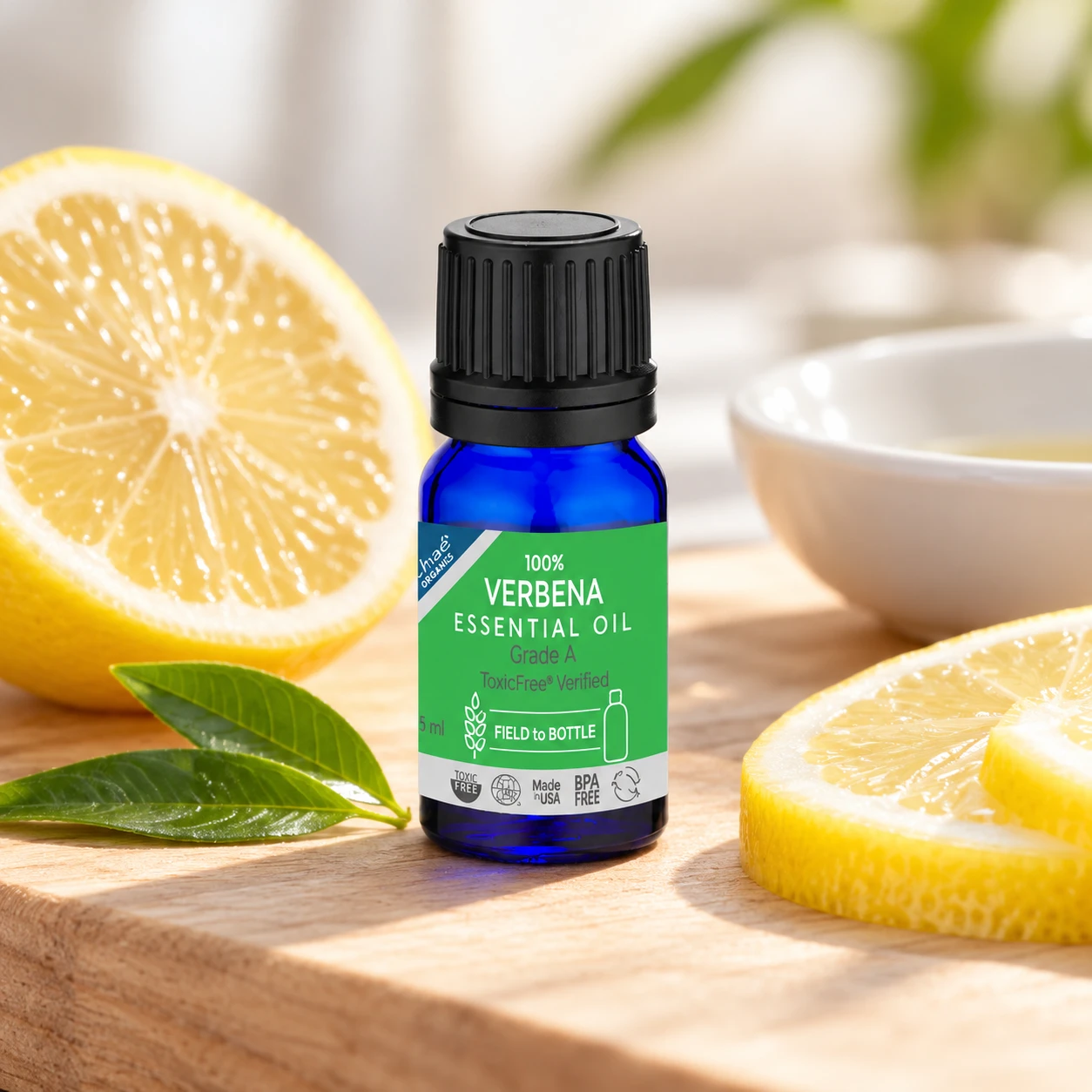
Search “verbena essential oil benefits” and you will find long lists. Much of that is about vervain as an herbal tea or tincture, or about lemon verbena, which is a different plant. Neither tells you much about a diffuser at home. In the U.S., an oil sold to treat a health problem is regulated as a drug; ours is sold for its scent, and we don’t make health claims for it. If you are managing a health condition, talk with your doctor.
Verbena is a room oil first. A few simple habits keep it pleasant:
A few things on the label tell you a lot:
Verbena is a little bottle of sunshine: sweet, citrusy and earthy, made for the diffuser and homemade room mists. It comes from common vervain, Verbena officinalis, not lemon verbena, so check the botanical name whenever you shop. Keep it off your skin and away from little hands and curious cats, and it will make any room feel like a bright spring morning.
No. Our verbena oil is labeled Verbena officinalis, common vervain. Lemon verbena is a different plant, Aloysia citrodora, a South American shrub in the same plant family.
Sweet and citrusy up top, settling into a soft, earthy warmth. Bright and sunny, lovely on its own or with florals and other citrus oils.
We don’t recommend it. We make it for the diffuser and room mists, not skincare, because it can irritate skin at full strength and can make skin more sensitive to the sun.
It can. That is one reason we keep it out of skincare. If it does touch your skin, dilute it well and keep that area out of strong sunlight.
In a diffuser, start with 3 to 5 drops. For a room mist, add 10 drops verbena and 5 drops lemon to 90 ml of distilled water and 10 ml of witch hazel or vodka, shake well and spray into the air.
Be careful, especially with cats. Diffuse only briefly, in a ventilated room your pet can leave, and never apply oils to a pet. Ask your vet if your pet has breathing problems.
Every Chaé essential oil is 100% pure, Grade A, Certified ToxicFree® and Leaping Bunny certified, with the plant named on the label. Start with verbena, then add a citrus partner.
Sweet, citrusy, earthy verbena, hand-picked at the end of spring — a little bottle of sunshine.
Sharp, sparkling lemon zest—sunshine in a bottle for your mood and your home.
Sweet, herbal lavender from the first blooms of the season—made for slow evenings.
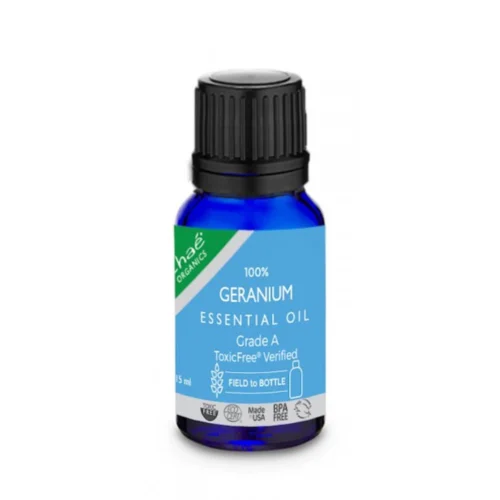
Sweet, rosy florals, distilled on the family farm where the plants are grown.
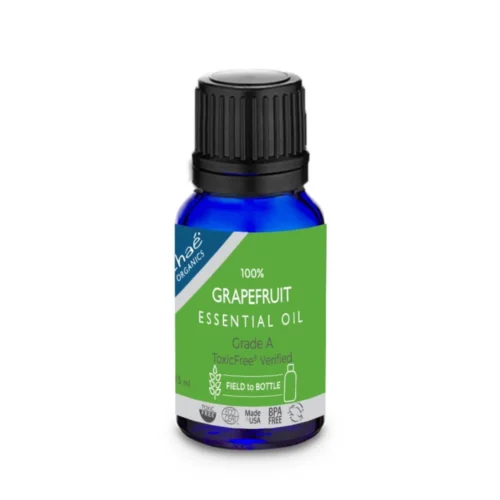
Juicy, bittersweet grapefruit with a tangy snap—an instant afternoon refresh.
Find out what essential oils are, how they work, and how they can help you get the results you want!
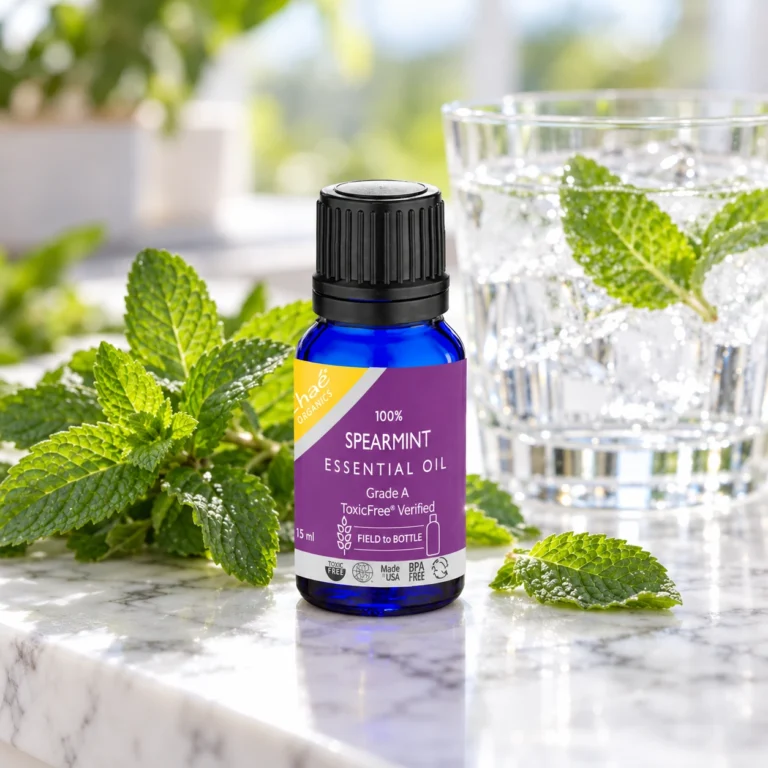
What spearmint essential oil is, how it differs from peppermint, diffuser blends and an easy room spray, and how to use it…
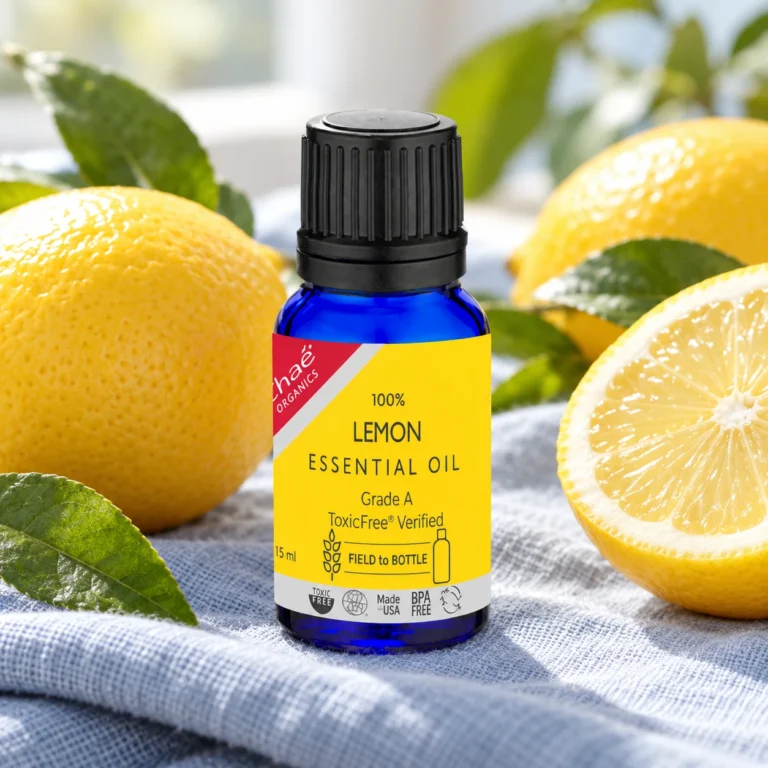
Lemon oil smells exactly like zesting a fresh lemon: sharp, clean and sunny. It can also react with sunlight on skin, depending…
Sign up for ToxicFree® tips, new arrivals and member-only offers. Your code arrives in your welcome email.

Sign in to check out faster, track orders and manage Subscribe & Save.