
Take Control of Your Health and Wellbeing with Essential Oils
Find out what essential oils are, how they work, and how they can help you get the results you want!
 Certified ToxicFree® · Cruelty-free · Made in Colorado
Helichrysum is a rare golden flower with a warm, honey-and-hay scent, and its oil is one of the most prized drops in natural perfume and facial oils. Here is what helichrysum oil is, what it’s used for, how to use it, and how to use it safely.
On the dry, rocky coasts of the Mediterranean grows a low, silvery shrub with clusters of tiny golden flowers. Brush past it on a warm day and you might wonder who is cooking: one of its common names is the curry plant. Pick the flowers and dry them, and they keep their bright color long after they’re cut, which is how the plant earned its prettier names, Immortelle and Everlasting.
The essential oil is one of the rarer and more expensive oils you can buy. It is warm, honeyed and herbal, with an earthy, slightly spicy edge, and it is the kind of oil you use one drop at a time.
The short version
Mostly for its scent, and in more places than you might expect. Here is where helichrysum earns its place:
What it isn’t, at least from us, is a treatment. You’ll see big claims online about what helichrysum does for skin; more on that below.
Helichrysum is a large group of plants in the daisy family. The one behind immortelle oil is a low, woody shrub native to the Mediterranean, from Spain and Corsica to Greece and Türkiye. Its narrow, silvery leaves have the strong scent that gave it the name curry plant, though it has nothing to do with curry powder. In summer it carries dense clusters of tiny, button-like golden flowers.

The oil is made by steam distillation: steam passes through the golden flowering tops, carries the aromatic oil with it, and the oil separates from the water as it cools. We import ours from Croatia or elsewhere in the Mediterranean, and we require that it’s wild-crafted, gathered from wild plants rather than grown as a commercial crop. That keeps each year’s harvest small and leaves these precious plants in place. The flowers are sensitive to weather at picking time, so every harvest takes great care.
Helichrysum’s names are a tangle. Helichrysum angustifolium, the name on our bottle, is a long-standing name for the immortelle, and it’s the name the EU’s cosmetic ingredient database uses for helichrysum flower oil, noting Helichrysum italicum as a synonym. Botanists today usually file the plant under Helichrysum italicum, so you will see both names. Whatever you buy, look for one of them on the label. “Helichrysum” on its own could mean any of many species, and they don’t all smell alike.
Helichrysum opens earthy and herbal, with an invigorating lift, then settles into a warm, honeyed, hay-like sweetness with a hint of curry spice. It is strong and it lingers, so one drop is often enough. Think of it as the oil that makes a blend feel finished.
A few diffuser blends to try, in drops for a standard water diffuser:
A drop or two is plenty, usually alongside a lighter oil. Helichrysum is a lovely scent for quiet moments: reading, a slow morning, the end of the day. Diffuse for 30 to 60 minutes at a time rather than all day, in a room with some airflow.
For a warm scent in a facial oil, add 1 drop of helichrysum to 10 ml (about 1/3 oz) of a light carrier such as jojoba. That works out to about 0.5%, and it’s all the face needs. Try it on a small patch of your inner arm first, and keep it well away from the eyes.
For the body, about 1% is plenty: 6 drops in 30 ml (1 oz) of jojoba or sweet almond oil. For a softer, rounder scent, use 3 drops helichrysum and 3 drops lavender instead.
For a simple roll-on, add 1 drop helichrysum, 2 drops geranium rose and 1 drop frankincense to a 10 ml roller bottle and top it up with jojoba, about 2% in all. Apply to the wrists or the back of the neck, not the face. It’s warm, rosy and honeyed, and it lasts.
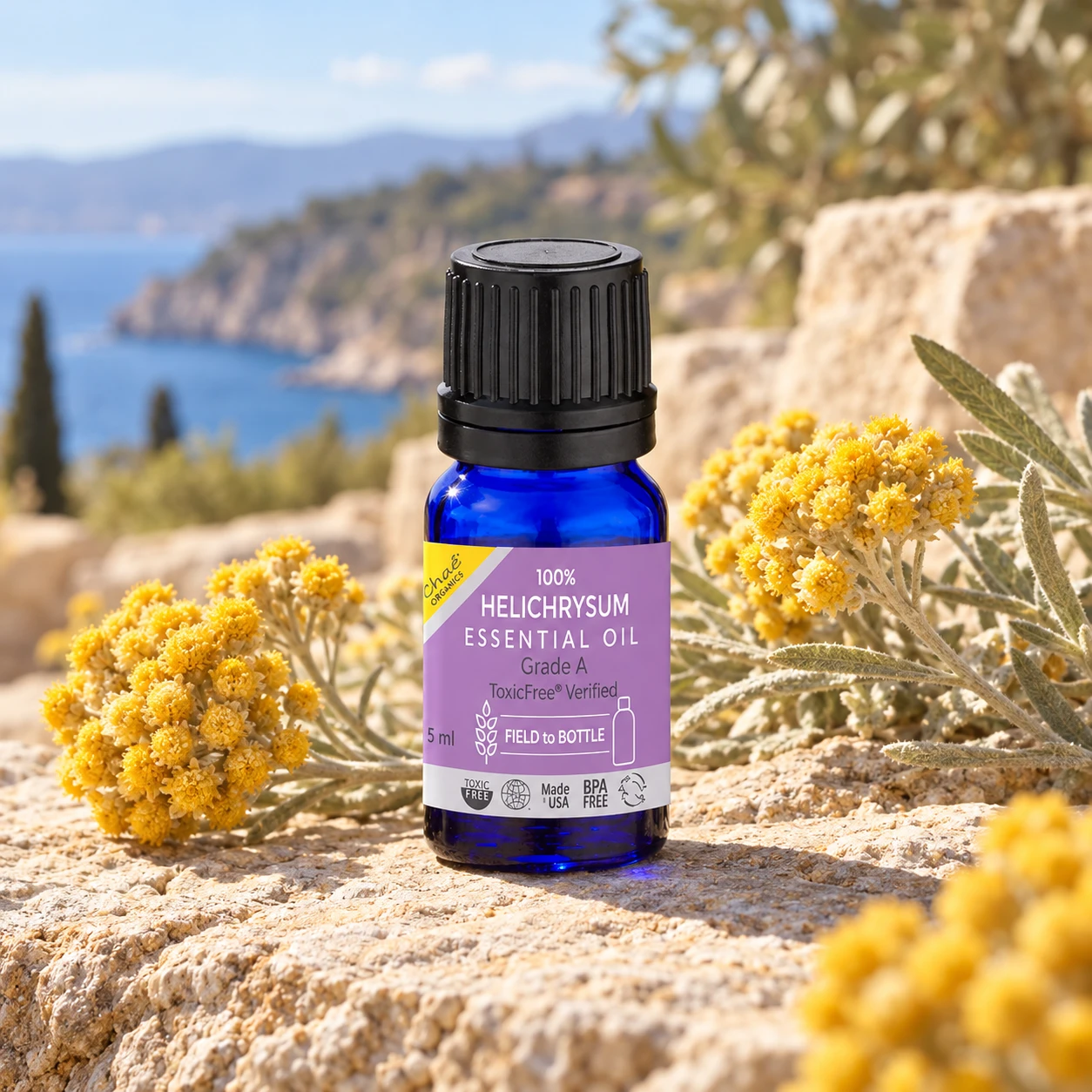
Search “what is helichrysum oil used for” and you will find it called a healing oil for scars, bruises and much more. Much of that comes from traditional use or lab studies, not from careful trials of the oil on people’s skin. In the U.S., an oil sold to treat a health problem is regulated as a drug; ours is sold for its scent, and we don’t make health claims for it. If you are concerned about a skin condition, a wound or a scar, talk with your doctor.
A few simple habits keep helichrysum pleasant:
A few things on the label tell you a lot:
Helichrysum is the golden drop: warm, honeyed and herbal, the oil that gives a perfume or a facial oil depth and staying power. It’s used for its scent, one drop at a time, in natural perfume, skincare routines and diffuser blends. It isn’t phototoxic, but it belongs gently diluted on skin. Treat each drop as the small luxury it is, and a 5 ml bottle will last a long time.
Mostly for its scent: a drop in natural perfume for warmth and staying power, a drop in facial and body oils, and a drop or two in diffuser blends. We sell ours for its scent and don’t make health claims for it.
Earthy and herbal at first, then warm, honeyed and hay-like, with a hint of curry spice. It is strong, so start with one drop.
Yes. Immortelle, Everlasting and curry plant are all common names for the same helichrysum. Our label calls it Helichrysum angustifolium; you’ll also see Helichrysum italicum.
No. Helichrysum doesn’t contain furocoumarins, the compounds that make some citrus oils phototoxic, so it won’t make skin burn more easily in the sun.
One drop per 10 ml of carrier oil, about 0.5%, is plenty for the face. For the body, about 6 drops per 30 ml (1%). Patch test first.
Ours is wild-crafted from rare plants rather than grown as a crop, so each year’s harvest is small, and the flowers are sensitive to weather at picking time. Since you use it a drop at a time, a little bottle lasts.
Every Chaé essential oil is 100% pure, Grade A, Certified ToxicFree® and Leaping Bunny certified, with the plant named on the label. Start with helichrysum, then add a floral partner.
Rare, wild-crafted golden flowers with a warm, honeyed, herbal scent.
Sweet, herbal lavender from the first blooms of the season—made for slow evenings.
Sweet, rosy florals, distilled on the family farm where the plants are grown.
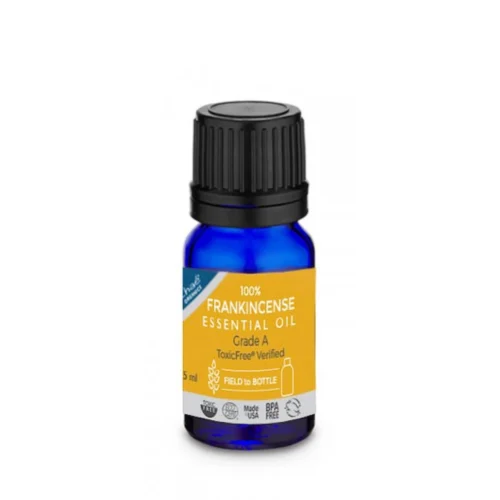
Traceable, fair-trade frankincense with a spicy, earthy warmth and a hint of fruit.
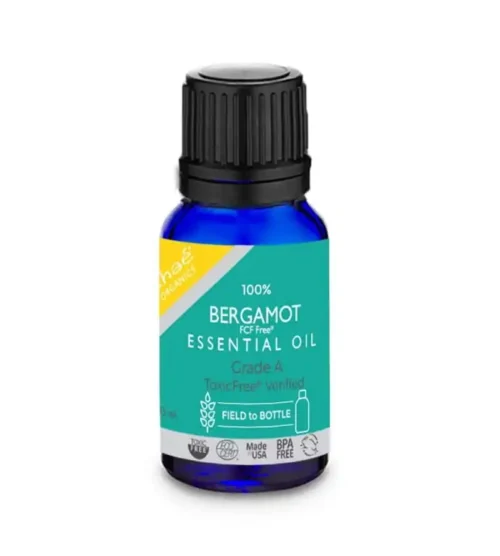
Fresh Italian citrus with a sweet, peppery heart—the refined note behind classic colognes.
Find out what essential oils are, how they work, and how they can help you get the results you want!
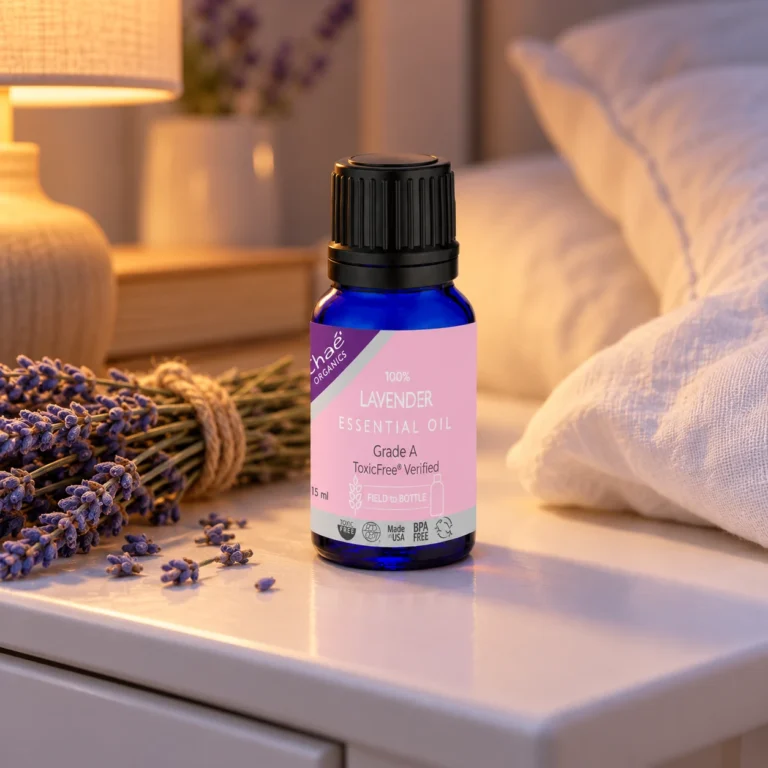
Is lavender oil phototoxic? No. What true lavender oil is, why fresh oil matters (oxidation), how to dilute it, blends to try,…
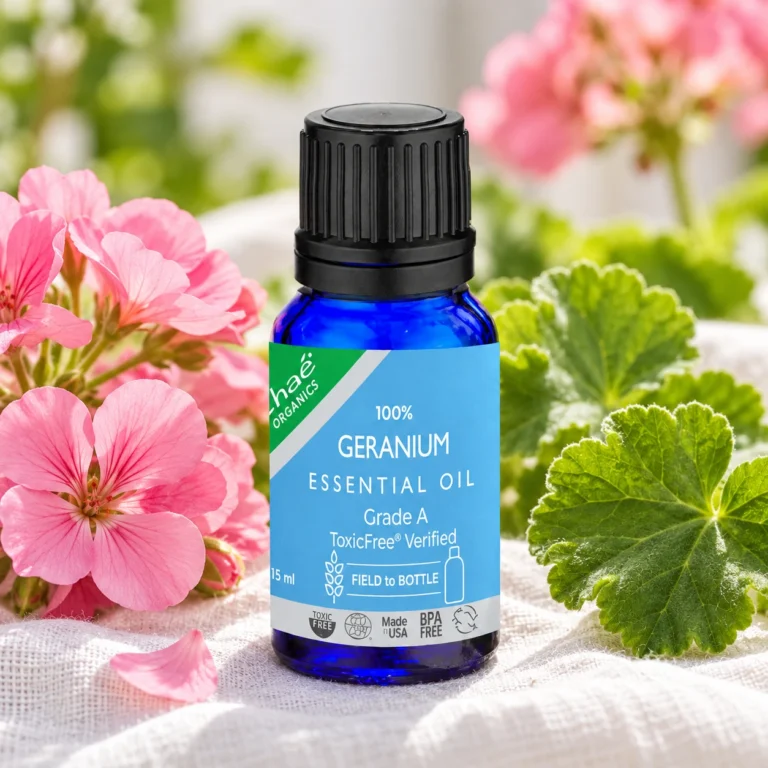
What geranium rose essential oil is, why it smells like rose, linen mist and perfume recipes, how to dilute it, and whether…
Sign up for ToxicFree® tips, new arrivals and member-only offers. Your code arrives in your welcome email.
Sign in to check out faster, track orders and manage Subscribe & Save.