
The Importance of Self-Care Practices
Self-care isn’t a luxury. Here’s what it really means, why everyday personal care matters, and practical ways to make time for yourself.
 Certified ToxicFree® · Cruelty-free · Made in Colorado
July 24 — written 7/24 — is a reminder that self-care matters around the clock, not just on spa days. Here’s what it really means and how to start small.
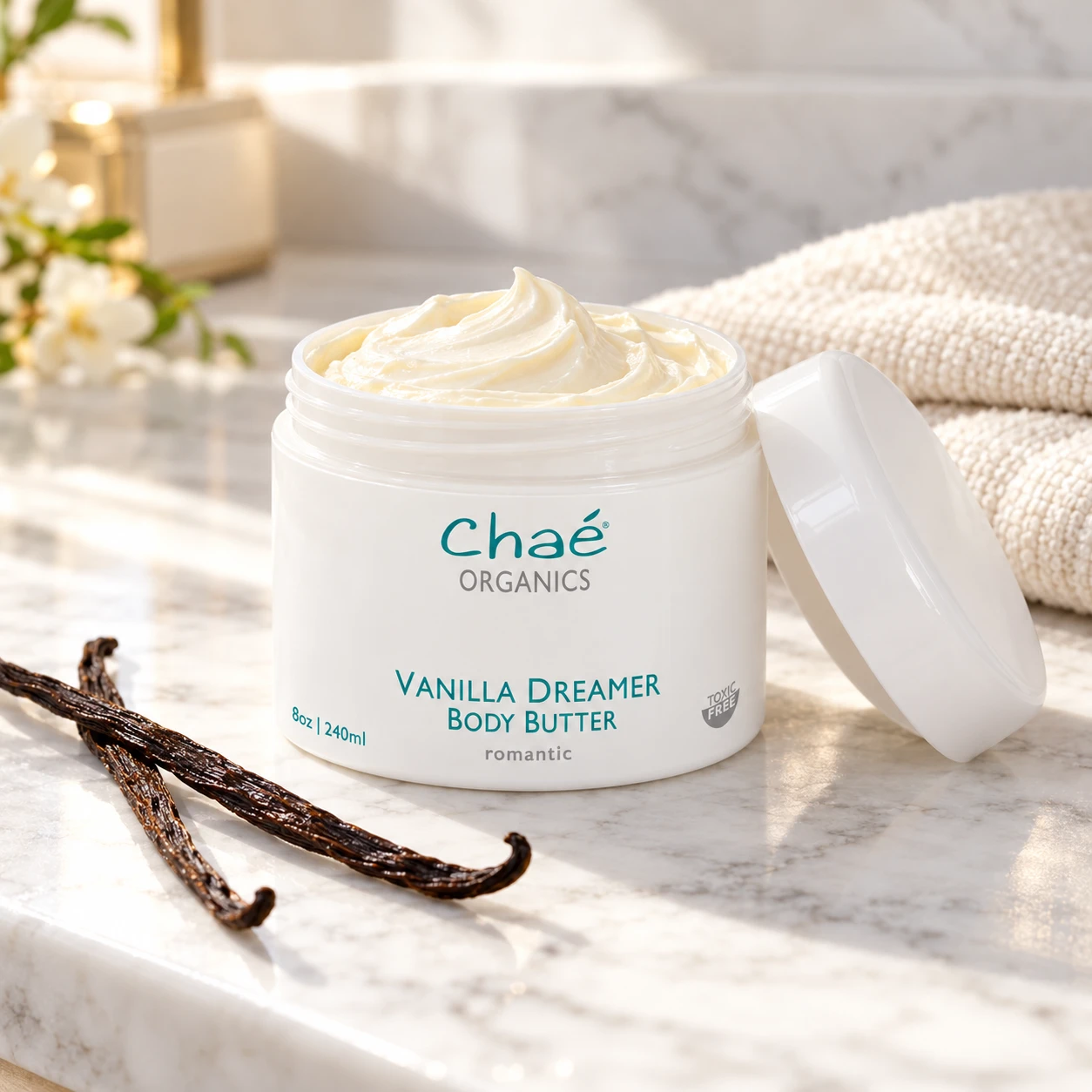
International Self-Care Day, observed every July 24, is not simply an excuse for a spa day. It’s a reminder that the small choices we make every day can support our health, comfort, and well-being all year long.
Self-care is often presented as something extra: a quiet evening, a long bath, a pampering skincare session, or a rare break from a demanding schedule. Those things can be meaningful, but the purpose of International Self-Care Day goes much further. It’s about the everyday actions that help us care for our bodies, protect our mental well-being, recognize what we need, and build healthier habits over time.
The short version
International Self-Care Day is observed each year on July 24. Written as 7/24, the date stands for the idea that self-care matters 24 hours a day, seven days a week. Activities connected to the observance have taken place around the world since 2011.
The date is a yearly reminder, not a one-day assignment. Caring for yourself shouldn’t be limited to an occasional reward, or something you think about only once you’re already exhausted.
Self-care is sometimes reduced to pampering or buying something nice for yourself. Those experiences may help you relax or feel cared for, but they’re only one part of a much larger picture.
The World Health Organization defines self-care as the ability of individuals, families, and communities to promote and maintain their health, prevent disease, and cope with illness, with or without the support of a health or care worker.
In daily life, that can include getting enough sleep, eating nourishing food, staying physically active, caring for your hygiene, managing stress, connecting with other people, using health and personal-care products responsibly, and seeking professional care when you need it.
Self-care complements medical care, professional guidance, and support from other people. It does not replace them.
The International Self-Care Foundation organizes self-care around seven connected pillars. Together, they show why meaningful self-care reaches far beyond an occasional day of relaxation.
Good self-care begins with reliable information. Health literacy means being able to find, understand, and use information when you make decisions about your body, habits, products, and care. It also means recognizing when a concern needs a qualified professional.
Mental self-care begins with paying attention. Are you constantly overwhelmed? Are you getting enough rest? Are certain habits, responsibilities, or relationships draining you? Awareness helps you respond before stress and exhaustion start to feel normal.
Movement supports physical and mental well-being, but it doesn’t have to be an extreme fitness program. Walking, gardening, stretching, dancing, swimming, and strength training all count. The best activity is often the one that fits your abilities and your real schedule well enough to become consistent.
Healthy eating isn’t about chasing a perfect diet. It means giving your body the nutrients, water, and energy it needs while building habits you can realistically keep. Small, repeatable choices are usually more useful than strict short-term rules.
Some forms of self-care add healthy habits. Others reduce exposure to harm: avoiding tobacco, limiting or avoiding alcohol, protecting your skin from too much sun, following safety instructions, and addressing health concerns early.
Bathing, washing your hands, caring for your teeth, keeping your skin clean, and keeping up a comfortable personal-care routine are familiar forms of daily self-care. A simple skincare or bath routine can also create a dependable moment to slow down and pay attention to yourself.
Choose and use products and services thoughtfully. Read the instructions, understand what a product is designed to do, consider its ingredients, avoid exaggerated promises, and seek professional guidance when appropriate. More products don’t automatically make for better self-care.
One reason people neglect self-care is that it can start to feel like another project to finish. A realistic routine doesn’t require reorganizing your whole life overnight. It can begin with one action that addresses something you genuinely need:
The action itself may seem small. What gives it value is repetition. A manageable habit practiced regularly is more useful than an ambitious routine that disappears after a few days.
Motivation changes from day to day. A simple ritual gives self-care a dependable place in your routine.
A morning ritual might include drinking water, washing your face, applying moisturizer, and thinking through your priorities before you check your phone. An evening ritual could include a warm shower, comfortable body care, getting ready for the next morning, and a calmer transition into sleep.
These routines aren’t about perfection. They create familiar moments when you can check in with yourself and notice what your body or mind may need.
Self-care is personal. What restores one person may exhaust another. Sometimes you need rest; sometimes you need movement. Sometimes you need quiet, and sometimes you need connection. You may need encouragement, firmer boundaries, professional help, a healthier routine, or simply permission to stop being productive for a little while.
What kind of care do I need today?
International Self-Care Day is an opportunity to ask that question honestly and choose one answer you can carry into tomorrow.
You don’t need a perfect morning routine, a complicated wellness plan, or a whole day free of responsibility. Start with one practical choice. Make it small enough to repeat. Pay attention to how it affects you, and adjust as your needs change.
July 24 may be International Self-Care Day, but its 24/7 message is what truly matters: your well-being deserves attention all year long.
A few ToxicFree® favorites for the everyday rituals in this article: a face moisturizer for your morning, a warm evening shower, body lotion after you step out, and a calmer transition into sleep.

Deep hydration. Stronger barrier. Firmer-looking skin—without heaviness.
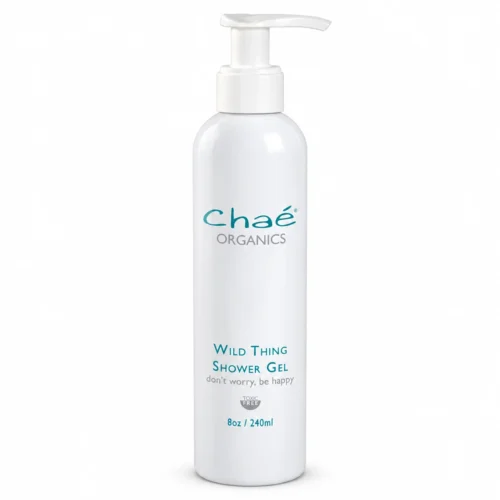
A citrus-and-vanilla shower gel made for swimmers—helps rinse away chlorine and leaves skin hydrated.
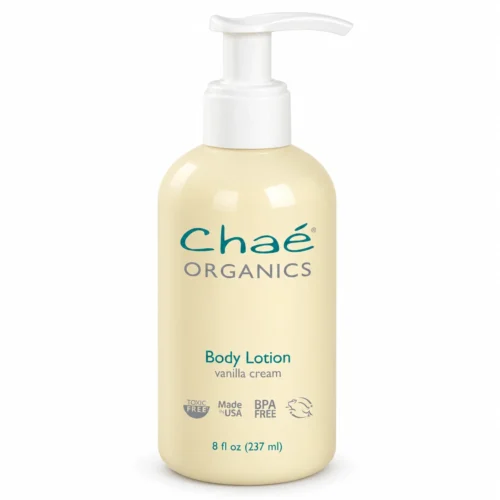
Lightweight hydration that makes skin feel instantly smoother—no grease.

Plant-based melatonin that helps you fall asleep—and stay asleep—without the foggy wake-up.
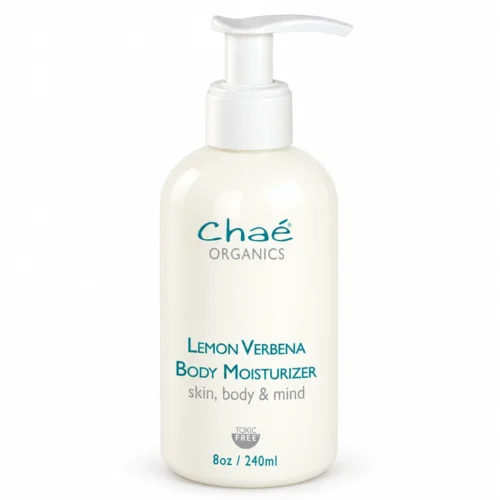
Clean, bright, baby-soft skin—lightweight moisture with a fresh finish.

Self-care isn’t a luxury. Here’s what it really means, why everyday personal care matters, and practical ways to make time for yourself.
How high fructose corn syrup can speed up visible skin aging and add to joint soreness — and what you can do…
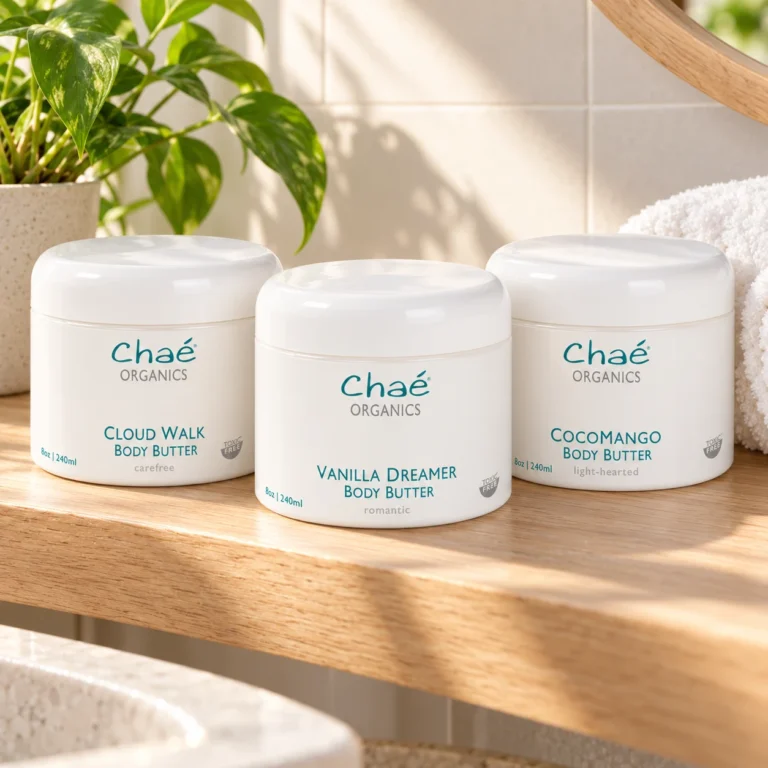
Discover how to adapt your skincare routine to seasonal changes. Learn essential tips for winter skincare to combat dryness and irritation, and…
Sign up for ToxicFree® tips, new arrivals and member-only offers. Your code arrives in your welcome email.

Sign in to check out faster, track orders and manage Subscribe & Save.