
International Self-Care Day 2026
July 24 — written 7/24 — is a reminder that self-care matters around the clock, not just on spa days. Here’s what…
 Certified ToxicFree® · Cruelty-free · Made in Colorado
Self-care isn’t a luxury. Here’s what it really means, why everyday personal care matters, and practical ways to make time for yourself.

Self-care is often misunderstood as a luxury or an indulgence. In fact, it is a vital part of a balanced life. Neglecting it can lead to more stress, poorer health, and burnout.
When we take care of ourselves, we make our lives better — and we do better in our work and in our relationships with others.
The short version
Self-care is the practice of taking an active role in preserving and enhancing your own health and well-being. It means understanding what you need and making sure you get it — whether that is exercise, rest, or asking others for support.
Self-care also means setting boundaries and saying no to things that may harm your well-being. Listen to your body and mind, and notice when it is time to take things easy or switch up your routine.
Self-care is dynamic and personal. It evolves as your life and circumstances change. At its heart, it is about giving yourself permission to pause and do what is best for you at any given moment.
Personal care is an important part of self-care. It covers all the routine things we do to stay clean and look our best, like taking a bath, brushing our teeth, and putting on fresh clothes. These activities may seem mundane, but they play a crucial role in keeping us healthy.
Good personal care habits help keep illness at bay and support physical health. They also have a real effect on self-esteem and mental health. When we take care of our personal hygiene, we feel better about ourselves and more confident in our appearance, and that has a positive ripple effect on our overall well-being.
The way we care for our bodies can also reflect how much we value ourselves. Ignoring basic personal care can be a sign of deeper issues, such as depression or low self-worth. By prioritizing personal care, we send a message to ourselves and the world that we respect and care for our bodies.
Unfortunately, many personal care products on the market contain harmful chemicals and ingredients that can do more harm than good. These toxins can be absorbed through the skin and have been linked to health issues such as allergies, hormonal imbalances, and even cancer.
That is why it is essential to choose personal care products that are free from harmful chemicals. Look for products that are ToxicFree® certified or made with natural ingredients, so you know you are taking care of your body in the best way possible.
Toxic products can also harm the environment, polluting water sources and harming wildlife. By choosing eco-friendly, natural personal care products, you protect yourself and help sustain the planet at the same time.
Self-care is not just a luxury. It is a necessity for maintaining your health and well-being. Here is how it helps.
In today’s fast-paced world, we are constantly bombarded with stressors that can take a toll on our mental and physical health. Self-care practices such as meditation, exercise, or time in nature help reduce stress and head off burnout. Taking time for yourself lets you recharge and cope better with the demands of daily life.
Regular breaks and downtime can also help you keep a clearer perspective and solve problems better. Learn to recognize the early signs of stress and respond with self-care before it takes a toll on your health.
Good self-care habits — eating a healthy diet, getting enough sleep, and exercising regularly — improve physical health. When you prioritize your well-being, you are less likely to get sick and more likely to have the energy and stamina to do the things you love.
Self-care can also help you maintain a healthy weight, lower your risk of chronic disease, and recover faster from illness. Listening to your body’s signals and responding with care supports better physical health and longevity.
Self-care is essential for good mental health. It lets you step back, check in with yourself, identify your needs, and address issues before they become bigger problems. It can also improve your self-esteem and confidence, leading to a more positive outlook on life.
Journaling, creative pursuits, or simply a moment of silence can be powerful tools for your mental health. They help you process emotions, ease anxiety, and foster a sense of inner peace.
When you take care of yourself, you are better able to take care of others. Prioritizing your own needs lets you show up as your best self with friends, family, and colleagues. And setting boundaries — saying no when you need to — keeps you from becoming overwhelmed and resentful.
Self-care also gives you the emotional bandwidth to be more empathetic and understanding. It can even inspire the people around you to adopt healthier habits, creating a supportive, nurturing environment for everyone.
Now that you know why self-care matters, here are practical ways to make it part of your daily life.
A daily routine that includes self-care helps make sure you actually make time for yourself. That could mean waking up a little earlier to meditate, taking a walk on your lunch break, or setting aside an hour before bed for reading or relaxation.
A structured routine also lightens the mental load of planning and deciding throughout the day, freeing up space for more important things. And consistency turns self-care into a natural part of your life, with long-term benefits.
There is no one-size-fits-all approach to self-care. What works for one person may not work for another, so experiment and find the activities that bring you joy — painting, cooking, a dance class, anything that makes you feel good.
Finding self-care that resonates with you is what keeps you motivated and consistent. Don’t be afraid to try new things and step outside your comfort zone. Self-care should be enjoyable and uplifting.
Quality sleep is crucial for your overall health and well-being. Create a comfortable sleep environment, avoid caffeine and electronics before bed, and stick to a consistent sleep schedule.
Good sleep restores body and mind, improving your mood, cognitive function, and physical health. Make it a non-negotiable part of your self-care routine.
The people you spend time with have a big effect on your well-being. Spend time with people who uplift and support you, and limit time with those who drain your energy or make you feel bad about yourself.
A supportive community offers encouragement and accountability as you pursue your self-care goals, and positive relationships are a source of inspiration and joy — both essential to a fulfilling life.
Self-care is not selfish. It is a necessary practice for maintaining your health and happiness. By prioritizing it, you can reduce stress, improve your physical and mental health, and strengthen your relationships. Find what works for you, and don’t be afraid to say no to things that may harm your well-being. When you take care of yourself, you can show up as your best self in every part of your life.
No. Self-care is a necessary practice for maintaining your health and happiness — and when you take care of yourself, you are better able to take care of others.
Routine personal care like bathing, brushing your teeth, and wearing fresh clothes supports your physical health and your self-esteem. It is also a way of showing yourself that you respect and care for your body.
Build it into a daily routine: wake a little earlier to meditate, walk on your lunch break, or set aside an hour before bed to read or relax. Choose activities you enjoy, protect your sleep, and spend time with people who support you.
Everyday personal care is where self-care starts. These ToxicFree® favorites turn a shower, a moisturizer, and a wind-down routine into a few minutes that are just for you — without the harsh chemicals.
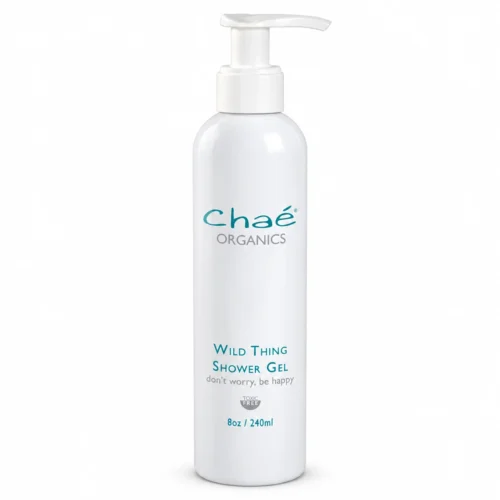
A citrus-and-vanilla shower gel made for swimmers—helps rinse away chlorine and leaves skin hydrated.
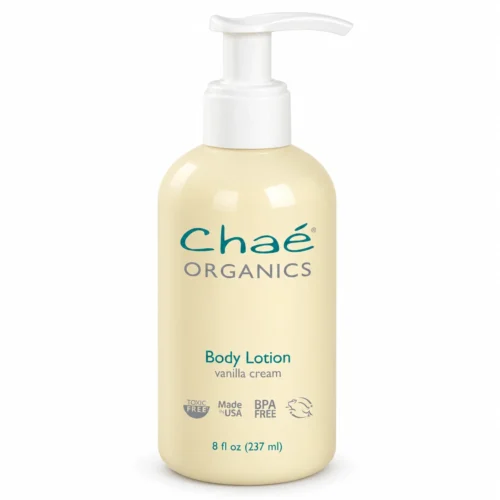
Lightweight hydration that makes skin feel instantly smoother—no grease.
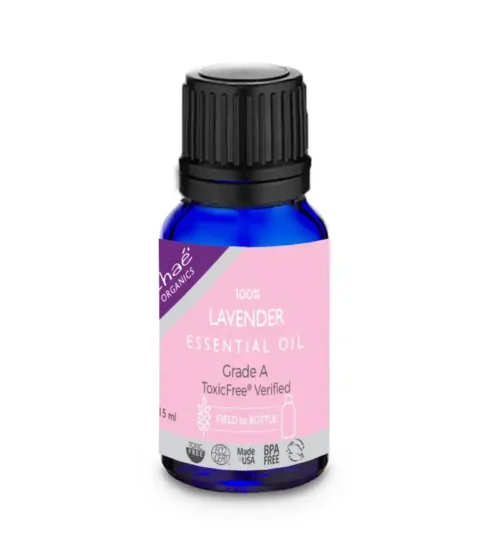
Sweet, herbal lavender from the first blooms of the season—made for slow evenings.

Plant-based melatonin that helps you fall asleep—and stay asleep—without the foggy wake-up.
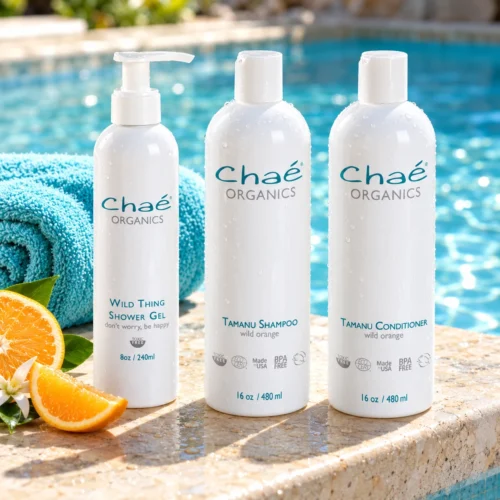
A shower gel made for swimmers, plus Tamanu shampoo and conditioner for after the pool.
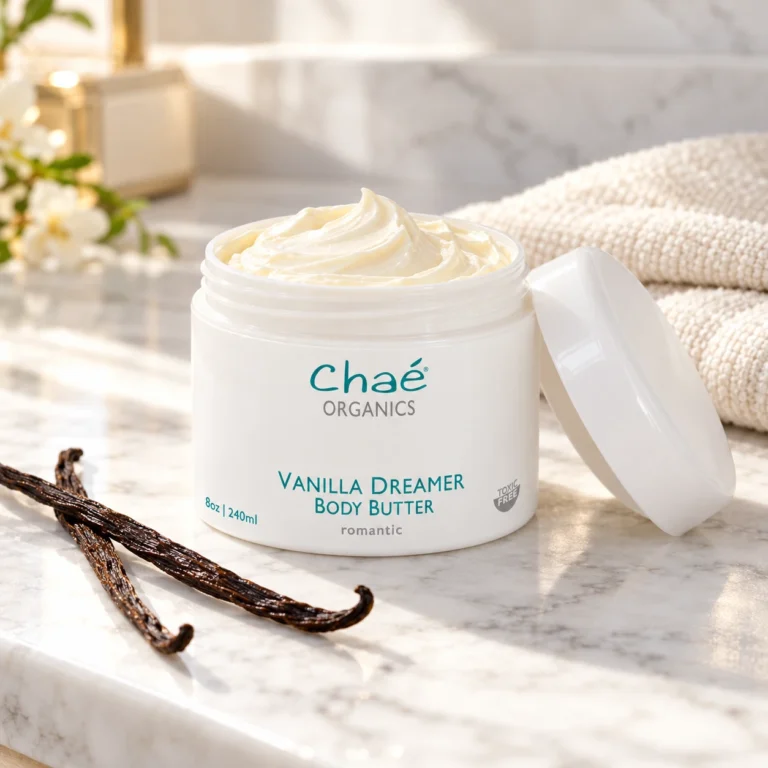
July 24 — written 7/24 — is a reminder that self-care matters around the clock, not just on spa days. Here’s what…
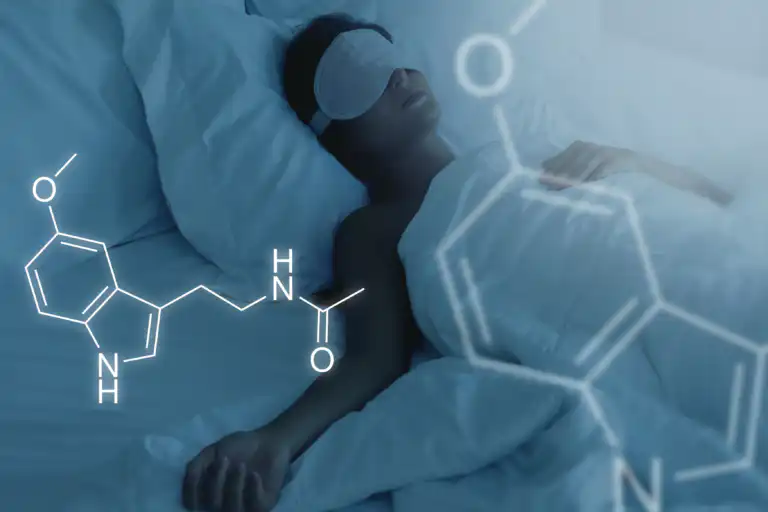
How melatonin works, how and when people take it, the side effects and drug interactions to know about, and gentler ways to…
Melatonin can come from plants or from a lab. Here’s how phytomelatonin and synthetic melatonin compare on effectiveness, safety and sustainability.
Sign up for ToxicFree® tips, new arrivals and member-only offers. Your code arrives in your welcome email.

Sign in to check out faster, track orders and manage Subscribe & Save.