
Spearmint Essential Oil: The Sweet, Gentle Mint (and How to Use It)
What spearmint essential oil is, how it differs from peppermint, diffuser blends and an easy room spray, and how to use it…
 Certified ToxicFree® · Cruelty-free · Made in Colorado
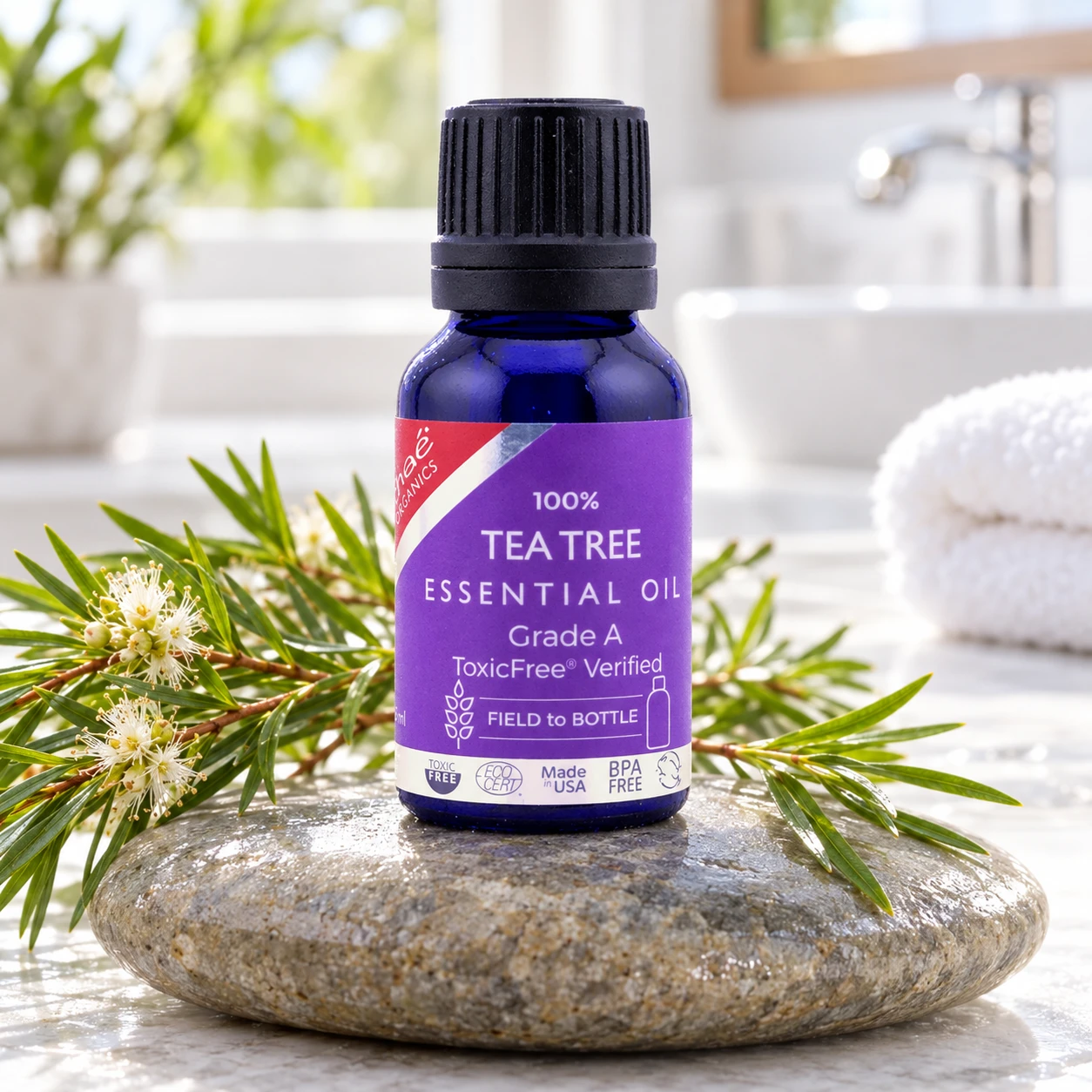
Tea tree smells like clean: sharp, fresh and a little medicinal, with a green, woody edge. Here is what the oil is, how to use it at home, how to keep it fresh, and why it needs extra care around pets.
Tea tree is a small Australian tree with papery bark and soft, needle-thin leaves. It grows wild along creeks and in swampy flats on the north coast of New South Wales and in southeast Queensland, and in spring it covers itself in fluffy white flowers.
Its oil is one of the most familiar scents in the bathroom cabinet, and it smells clean the moment you open the bottle. It also asks for two habits more than most oils do: keep it fresh, because old tea tree oil is much more likely to irritate skin, and keep it away from pets.
The short version
Several Australian and New Zealand plants are called “tea tree”, but tea tree essential oil comes from one of them: Melaleuca alternifolia, a member of the myrtle family that grows to about 7 m (23 ft).
The oil is made by steam distillation: steam passes through the freshly cut leaves, carries the aromatic oil with it, and the oil separates from the water as it cools. Ours is distilled from the leaves of trees sourced from the coastlines of Australia.
The name “tea tree” gets around. Manuka, from New Zealand, is sometimes called tea tree, and close relatives of our tree give different oils entirely: cajeput comes from Melaleuca cajuputi and niaouli from Melaleuca quinquenervia. The name on our bottle is Melaleuca alternifolia, the classic tea tree of Australia.
Mostly for its clean, fresh scent. People use it in four main ways: in the diffuser, in homemade cleaning sprays for the bathroom and kitchen, in the laundry, and, always diluted, in skincare and body care.
What it isn’t, at least on our shelf, is a medicine or a disinfectant.
Tea tree opens fresh and sharp, with a camphor-like brightness, then settles into a green, slightly spicy-woody edge over an earthy depth. On its own it can read as medicinal; blended with citrus or mint, it becomes a clean, fresh backbone.
A few diffuser blends to try, in drops for a standard water diffuser:
Start with 3 to 4 drops in the water reservoir. Diffuse for 30 to 60 minutes at a time, in a room with some airflow, and only where pets can leave the room.
For a fresh-smelling all-purpose spray, mix in a 500 ml (about 17 oz) glass spray bottle:
Shake before each use, and skip vinegar sprays on marble, granite and other natural stone. The oils make the spray smell clean; they don’t turn it into a disinfectant. For that, use a product registered with the EPA.
Add 5 to 10 drops to the fabric softener compartment of your washer, on their own or in a splash of white vinegar, for a fresh scent on towels, sheets and gym clothes.
Always dilute it. About 1% is plenty: 6 drops in 30 ml (1 oz) of a carrier oil or unscented lotion, or 1 drop in a teaspoon (5 ml). On the face, use that strength or less, keep it well away from the eyes, and try a small patch on your inner arm first. If your skin reacts, stop using it.
Search for tea tree oil and you will see “antifungal”, “antibacterial”, even “natural fungicide”. Most of that comes from lab studies, where the oil is tested directly on microbes in a dish, or from trials of specific formulated products, not from a few drops at home. In the U.S., a product sold to treat a skin condition or other health problem is regulated as a drug, and one sold to kill germs or fungus on surfaces must be registered with the EPA as a pesticide. Ours is sold for its scent, and we don’t make those claims for it. For a health concern, talk with your doctor.
Fresh tea tree oil is fairly gentle when it is diluted. The trouble starts as it ages. Air, light and warmth slowly oxidize the oil, and researchers have found that the breakdown products, including a compound called ascaridole, are moderate to strong skin sensitizers. Once your skin is sensitized, it can react every time you use the oil.
You can usually smell the change. According to the Tisserand Institute, fresh tea tree smells fresh, green, clean and penetrating, while oxidized oil turns duller, harsher and “funky”, with a nasty medicinal note. In a very old bottle, the oil around the cap gets sticky.
Not on them, and only with real care around them. The ASPCA warns that concentrated tea tree oil can cause problems in pets with as little as seven or eight drops. Dogs and cats who get it on their skin or fur can become unsteady, weak and depressed, and ASPCA Poison Control has seen seizures and, rarely, liver injury in severe cases. Cats are at extra risk, because they groom oil off their fur and swallow it.
Tea tree is the clean-scent workhorse: sharp, fresh, green and at home all over the house. Treat it as a scent, not a medicine or a disinfectant, keep it tightly capped and cold, and keep it well away from cats and dogs.
Mostly for its clean, fresh scent: in the diffuser, in homemade cleaning sprays, in the laundry, and diluted in skincare and body care.
You will see those claims online, mostly based on lab studies. In the U.S., a product sold to treat a health problem is a drug, and one sold to kill germs or fungus on surfaces must be EPA-registered. Ours is sold for its scent; we don’t make those claims.
It can be. The ASPCA warns that as little as seven or eight drops of concentrated tea tree oil can cause problems in pets. Never apply it to a pet, don’t use it for fleas, and keep bottles out of reach.
Not undiluted. About 1% (6 drops per 30 ml of carrier oil) is plenty. Use only fresh oil, because oxidized tea tree is much more likely to cause skin reactions, and patch test first.
Tightly capped and cold, in the refrigerator if you can, and use it within one to two years of buying it. If it smells harsh or the cap is sticky, it has oxidized.
Every Chaé essential oil is 100% pure, Grade A, Certified ToxicFree® and Leaping Bunny certified, with the plant named on the label. Start with tea tree, then add a citrus or a cool mint.

Fresh, earthy Australian tea tree — a crisp, clean scent for your skincare shelf and your home.
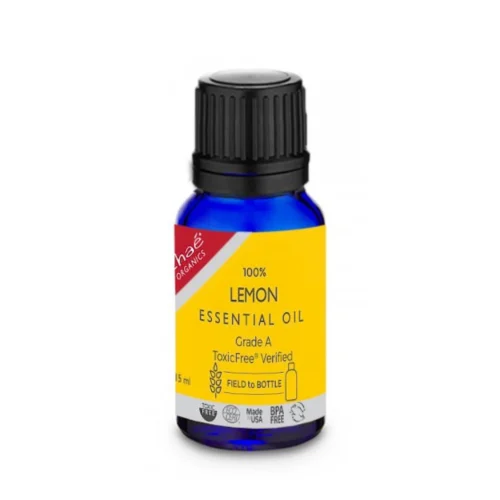
Sharp, sparkling lemon zest—sunshine in a bottle for your mood and your home.

Zesty, green lime with a sweet edge—the wakeful scent of an early summer morning.
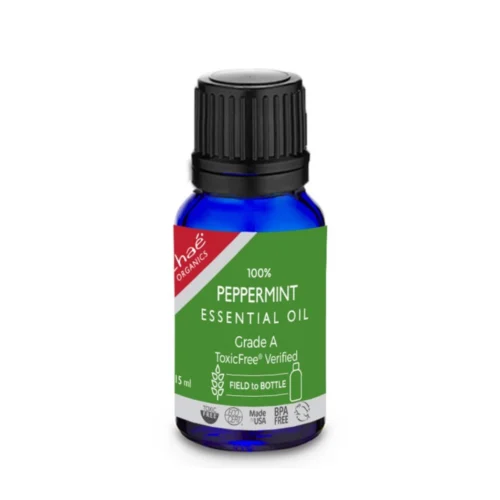
Crisp, cool English white peppermint — a wide-awake scent with a sweeter, floral edge.
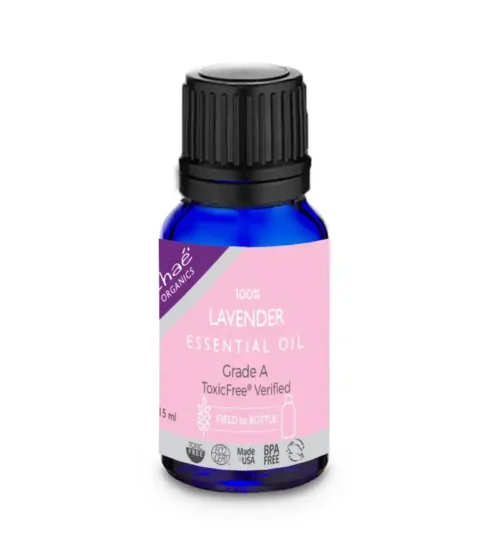
Sweet, herbal lavender from the first blooms of the season—made for slow evenings.
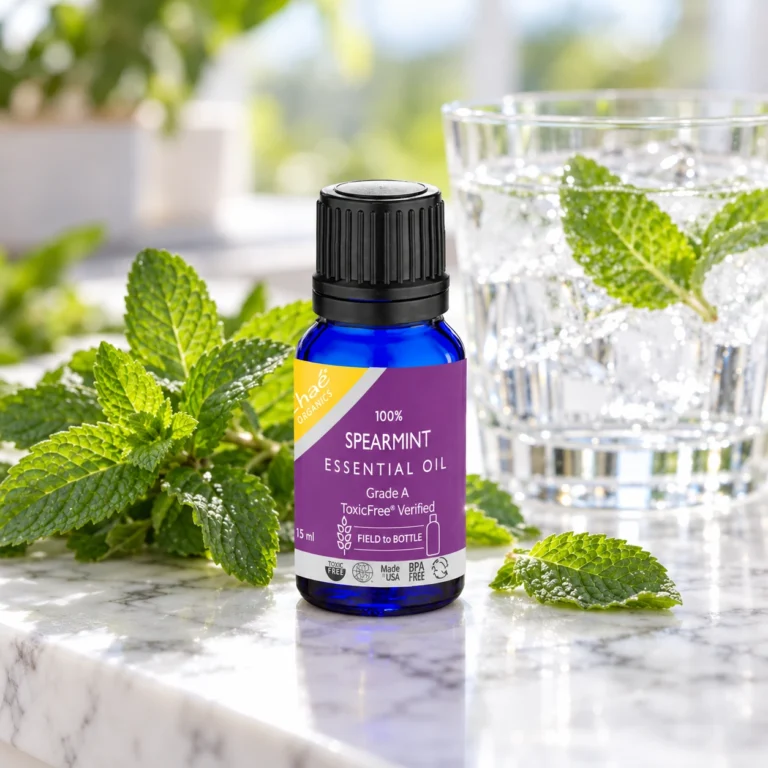
What spearmint essential oil is, how it differs from peppermint, diffuser blends and an easy room spray, and how to use it…
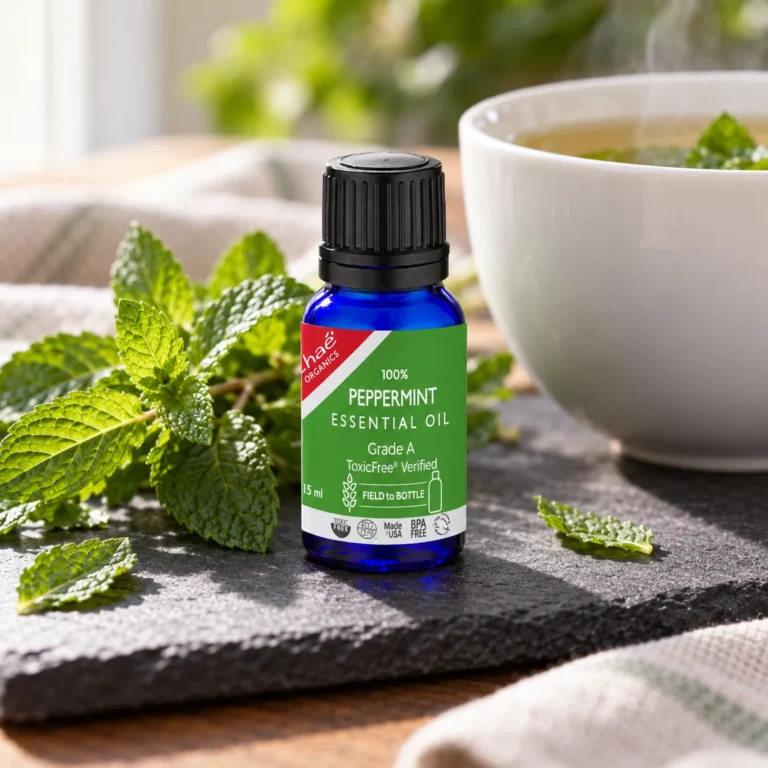
Is peppermint oil phototoxic? No. How to use English white peppermint, diffuser blends, dilution, and why it never goes near a baby's…
Find out what essential oils are, how they work, and how they can help you get the results you want!
Sign up for ToxicFree® tips, new arrivals and member-only offers. Your code arrives in your welcome email.

Sign in to check out faster, track orders and manage Subscribe & Save.