
Melatonin: Usage, Side Effects, and Safety
How melatonin works, how and when people take it, the side effects and drug interactions to know about, and gentler ways to…
 Certified ToxicFree® · Cruelty-free · Made in Colorado
Your skin reflects how you eat, sleep, move and handle stress. Here’s how a holistic approach connects your skincare routine to your overall wellness.

Skincare is often treated as a beauty routine, but it reaches much further than that. Your skin is your body’s largest organ. It protects everything underneath it, and it’s one of the most visible signs of what’s happening inside. You’ve probably noticed your skin change with your mood, your sleep and your stress level. It reflects your mental, emotional and physical state.
That’s the heart of a holistic approach: what you put on your skin is only one piece of the puzzle. Stress, diet, water, sleep and a sense of calm all play a part. Caring for your skin this way isn’t only about looks. It’s a commitment to nurturing yourself from the inside out.
The short version
Holistic wellness sees health as more than simply not being sick. It’s a balanced state of being that brings together every part of your life — and each part has a way of showing up in your skin.
When you care for every part of your life, healthier skin tends to follow. That’s why a holistic approach looks beyond quick surface fixes toward self-care that aims for balance.
Your skin needs a steady supply of vitamins, minerals and antioxidants to look its best and stay resilient. A few nutrients do a lot of the work:
The simplest rule: fill your plate with a variety of colorful fruits and vegetables, and drink enough water. A well-balanced diet isn’t only about individual nutrients. It supports your overall well-being, and your skin shows it.
Many people see the effects of stress on their skin first. Acne and psoriasis are among the most common skin concerns stress can intensify, often creating a cycle of discomfort and self-consciousness.
When you’re under stress, your body releases hormones like cortisol. Cortisol can make skin more reactive and increase oil production. If you’re prone to acne, that extra oil can clog pores and lead to breakouts. If you live with psoriasis, stress can trigger flare-ups and make it harder for skin to settle. That’s why managing stress belongs in a holistic skincare routine.
A few habits help:
Managing stress and prioritizing your mental well-being improves more than your mood. It supports your skin, too.
Sleep is a pillar of overall health, and your skin depends on it. While you sleep, your body repairs and renews itself, giving skin time to recover from daily stress, environmental damage and the effects of aging. A healthy sleep cycle also supports collagen production, the protein that keeps skin elastic and youthful-looking.
Miss enough sleep and it shows: dullness, dark circles and skin that looks older faster. Ongoing fatigue can also raise cortisol, which contributes to concerns like acne and eczema. These signs aren’t just surface-deep. They point to a deeper imbalance in the body.
To sleep better, and give your skin that time:
Regular physical activity benefits your skin in ways that go beyond appearance. When your heart rate climbs, blood flow increases, carrying nutrients and oxygen to your skin more effectively and helping carry away waste. The result is a vibrant, healthy-looking complexion.
Exercise also supports collagen production, which can mean firmer skin and fewer visible signs of aging. It supports the skin’s natural barrier, too, making it more resilient to environmental stressors.
An active lifestyle helps you sleep better as well, with deeper, more restorative rest — and rest is when skin does its repair work. Better circulation, lower stress and better sleep all work together.
A skincare routine is about more than the products in it. Doing it consistently has psychological and emotional benefits. It becomes a form of self-care that helps you slow down and live with more intention.
Every step, from cleansing to moisturizing, is a chance to pause and focus on yourself. That daily ritual makes room for self-reflection and self-acceptance, eases stress and gives you a sense of control when the rest of the day feels chaotic.
Rituals also bring structure and a small sense of accomplishment, which help ground your day. Taking time for yourself reinforces that your wellness matters, and that can lift your mood and your confidence.
Then there’s the sensory side: the touch, the scent and the look of your products. Those details can be soothing and help you feel more connected to your body. If you’re building a routine, the Chaé Skincare Regimen: 4 Simple Steps for All Skin Types is an easy place to start.
More people are switching to natural, eco-friendly skincare. It’s a response to demand for safer, effective options, and it fits a wider commitment to personal and environmental wellness: products made with natural ingredients, free from harmful chemicals and sustainably sourced.
Natural skincare often features botanical extracts, essential oils and plant-based emollients, which can be gentler than products loaded with synthetic chemicals. They hydrate, nourish and can help with the visible signs of aging, without the side effects some artificial additives cause. Less irritation means a more balanced complexion.
The eco-friendly side matters too. Many brands work to shrink their footprint with sustainable packaging, ethical sourcing and cleaner manufacturing. Choosing those products makes you part of a larger movement for environmental stewardship and social responsibility — and gives you a routine that matches your values.
Skincare and overall wellness are deeply connected. A dedicated routine can improve your skin’s texture and complexion and lift your emotional and mental state at the same time. True beauty goes beyond the surface.
A holistic approach means paying attention to mental health, nutrition and lifestyle along with your products. Manage stress with practices like meditation or yoga. Eat a balanced diet rich in vitamins and antioxidants. Protect your sleep, which is so often neglected. Together, these habits help your skin reflect your inner vitality.
Self-care is a journey that covers body and mind. Approach it that way, and the change can show in both your appearance and your quality of life.
Yes. Stress releases cortisol, which can increase oil production and make skin more reactive. It can lead to breakouts in acne-prone skin and trigger psoriasis flare-ups. Regular exercise, mindfulness and a gentle, consistent skincare routine all help.
Aim for a variety of colorful fruits and vegetables. Citrus, berries and leafy greens provide vitamin C for collagen; nuts, seeds and avocados provide vitamin E; fish and flaxseeds provide omega-3s for hydration; carrots and sweet potatoes provide beta-carotene.
It does. Sleep is when your body repairs and renews itself, and a healthy sleep cycle supports collagen production. Too little sleep can show up as dullness, dark circles and skin that looks older faster.
Exercise increases blood flow, bringing nutrients and oxygen to the skin. It supports collagen production and the skin’s barrier, lowers stress and helps you sleep more deeply.
It can be. A consistent routine gives you a daily moment to pause, eases stress and brings structure to your day. The touch and scent of your products can be soothing in their own right.
A holistic routine starts with simple, consistent steps. The ToxicFree® Daily Routine covers your skincare morning and night, Good Night Sleep gummies use plant-based melatonin to support restful sleep, and Lavender Essential Oil brings a calming aroma to your wind-down ritual.

A four-step face routine for morning and night: cleanse, mist, glow by day, moisturize by night.

Plant-based melatonin that helps you fall asleep—and stay asleep—without the foggy wake-up.
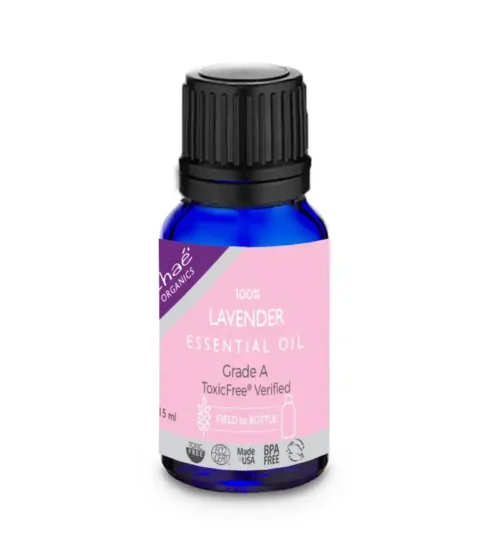
Sweet, herbal lavender from the first blooms of the season—made for slow evenings.

How melatonin works, how and when people take it, the side effects and drug interactions to know about, and gentler ways to…

Melatonin can come from plants or from a lab. Here’s how phytomelatonin and synthetic melatonin compare on effectiveness, safety and sustainability.
Self-care isn’t a luxury. Here’s what it really means, why everyday personal care matters, and practical ways to make time for yourself.
Sign up for ToxicFree® tips, new arrivals and member-only offers. Your code arrives in your welcome email.

Sign in to check out faster, track orders and manage Subscribe & Save.