
Melatonin: Usage, Side Effects, and Safety
How melatonin works, how and when people take it, the side effects and drug interactions to know about, and gentler ways to…
 Certified ToxicFree® · Cruelty-free · Made in Colorado
Why we choose melatonin from St. John’s Wort over the synthetic kind — from bioavailability and gentleness to sustainability.

Melatonin supplements have become a popular choice for people who struggle with sleep. But not all melatonin is the same, and there’s a compelling case for choosing plant-based melatonin over synthetic versions. Here are the reasons we believe it’s the better choice for anyone looking for a natural sleep aid.
The short version
Melatonin is a hormone produced by the pineal gland in the brain, mainly in response to darkness. It plays a crucial role in regulating the body’s circadian rhythm and helps bring on sleep. Your body makes it naturally, but it’s also found in food, and it can be manufactured synthetically.
Food sources include certain fruits, vegetables, grains, and seeds — tart cherries, walnuts, corn, asparagus, and tomatoes all contain naturally occurring melatonin. Synthetic melatonin, on the other hand, is produced in laboratories and has no natural origin.
A number of compounds isolated from St. John’s Wort have pharmacologic activity. Many have been studied extensively, including hyperforin, which is responsible for St. John’s Wort’s effect on mood. The other notable extract is melatonin. This plant melatonin has been researched by the NIH, and we believe it is far superior to synthetic melatonin. Our melatonin is 100% sourced from St. John’s Wort (Hypericum perforatum) for the highest quality and bioavailability.
Compared with synthetic melatonin, plant-based melatonin from St. John’s Wort has several advantages. It’s often seen as a more holistic approach, and more people now prefer supplements that fit a natural lifestyle.
Your body may recognize and use natural substances more effectively than synthetic ones. Being closer to its natural state, plant-based melatonin may be more easily absorbed. It also often comes with other beneficial phytonutrients from the plant, which may add to its overall benefits.
Bioavailability — how much of a substance reaches the target tissue after you take it — is a crucial factor in how well any supplement works. Plant-based melatonin is believed to have superior bioavailability compared with synthetic versions, which means your body can absorb and use it more efficiently, potentially making it more effective at regulating sleep patterns. Your body may also need less of it for effective sleep support.
The efficacy of plant-based melatonin isn’t only about the melatonin itself. Other compounds in the plant can work in harmony with it, enhancing its sleep-supporting effects and offering a more balanced approach to better sleep quality.
The idea is simple: plant-based melatonin nudges your body to produce its own appropriate balance of melatonin. Synthetic melatonin doesn’t support your body’s production. It tries to replace it, often with too much, which can leave you foggy in the morning.
Safety matters with any supplement. Plant-based melatonin is generally considered safe for most people when used appropriately. It’s non-habit forming and doesn’t lead to the dependency sometimes associated with pharmaceutical sleep aids.
Side effects from melatonin supplements are typically mild and may include drowsiness, headache, and dizziness. Because plant-based melatonin is closer to the form your body makes naturally, it may be associated with fewer and milder side effects than synthetic melatonin.
Plant-based supplements often have a lower environmental footprint than synthetic ones, because they rely on natural agricultural processes rather than chemical synthesis. That makes plant-based melatonin a more sustainable, eco-friendly option.
For vegetarians and vegans, plant-based melatonin also aligns with their values: no animal products or byproducts are involved in making their sleep aid, which brings peace of mind along with restful sleep.
The case for plant-based melatonin covers efficacy, safety, and ethics. Its natural origin, bioavailability, and synergy with other phytonutrients make it a compelling choice for a holistic approach to better sleep, and its fit with sustainable, ethical practices makes it the preferred option for health-conscious, eco-aware shoppers. As more people turn to natural and sustainable solutions, plant-based melatonin stands out as a responsible choice.

It’s 100% sourced from St. John’s Wort (Hypericum perforatum), a plant with several well-studied compounds, including melatonin.
No. It’s non-habit forming and doesn’t lead to the dependency sometimes associated with pharmaceutical sleep aids.
Synthetic melatonin tries to replace your body’s own production, often with too much, which can leave you foggy in the morning. Plant-based melatonin nudges your body toward its own balance.
Good Night Sleep gummies use plant-based melatonin in a sustained-release gummy to support restful sleep. For a calming wind-down ritual, add Lavender or Verbena essential oil to your diffuser.

Plant-based melatonin that helps you fall asleep—and stay asleep—without the foggy wake-up.
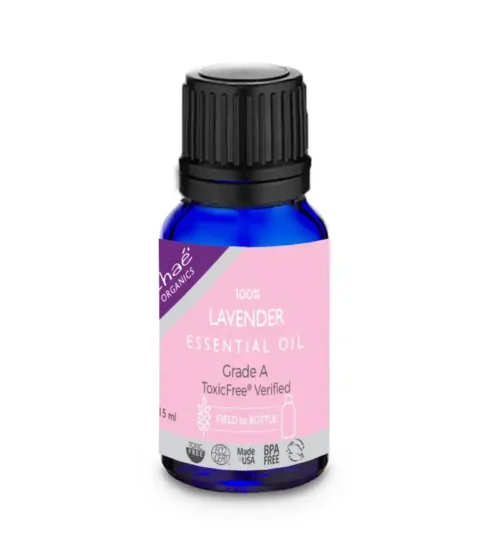
Sweet, herbal lavender from the first blooms of the season—made for slow evenings.
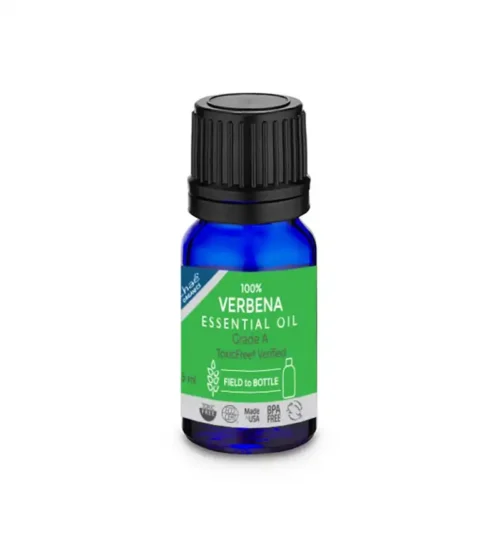
Sweet, citrusy, earthy verbena, hand-picked at the end of spring — a little bottle of sunshine.
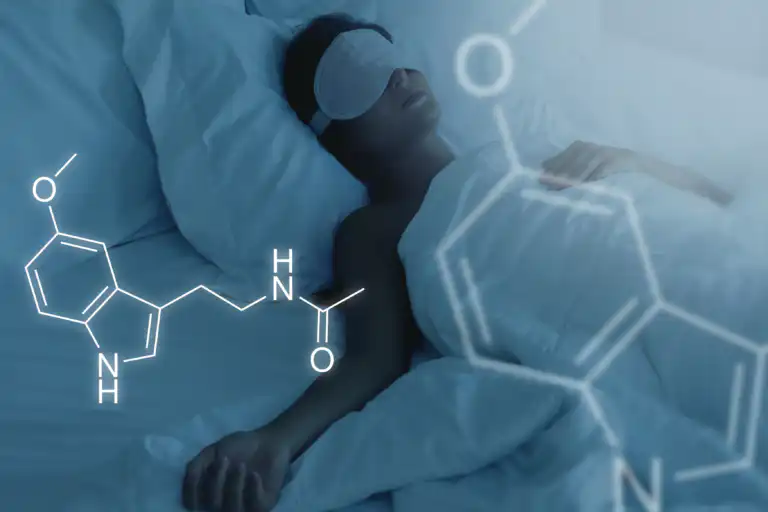
How melatonin works, how and when people take it, the side effects and drug interactions to know about, and gentler ways to…

Melatonin can come from plants or from a lab. Here’s how phytomelatonin and synthetic melatonin compare on effectiveness, safety and sustainability.

Self-care isn’t a luxury. Here’s what it really means, why everyday personal care matters, and practical ways to make time for yourself.
Sign up for ToxicFree® tips, new arrivals and member-only offers. Your code arrives in your welcome email.
Sign in to check out faster, track orders and manage Subscribe & Save.