
Is Your Cleaning Routine Making Your Home More Toxic?
It’s finally officially spring! Winter’s cold is making way for the freshness of rain and new growth. The days grow longer, the…
 Certified ToxicFree® · Cruelty-free · Made in Colorado
A cleaner kitchen doesn’t take a cabinet full of bottles. Here is what makes a dish soap mild, how one all-purpose concentrate can replace a shelf of sprays, and the difference between cleaning and disinfecting.
Look under most kitchen sinks and you will find a small crowd: a dish soap, a glass cleaner, a counter spray, a degreaser, a stainless steel cleaner, a bathroom spray. Most of them do roughly the same job, which is lifting grease and grime so it can be wiped or rinsed away.
Two products can cover almost all of it: a dish soap that is tough on grease but mild on your hands, and one concentrated all-purpose cleaner you dilute to the job. This guide covers what to look for in each, and how to use them.
The short version
Every dish soap works the same basic way. Cleansers called surfactants grab onto grease with one end and water with the other, so grease lets go of the plate and rinses away. The difference between a harsh dish soap and a mild one is in the blend: which cleansers, how strong, and what else is in the bottle.
“Mild” on the front of a bottle isn’t defined by any regulation. What makes it true is a balanced blend of cleansers that cuts grease without stripping skin, ingredients that help your hands feel comfortable, and nothing extra that doesn’t need to be there.
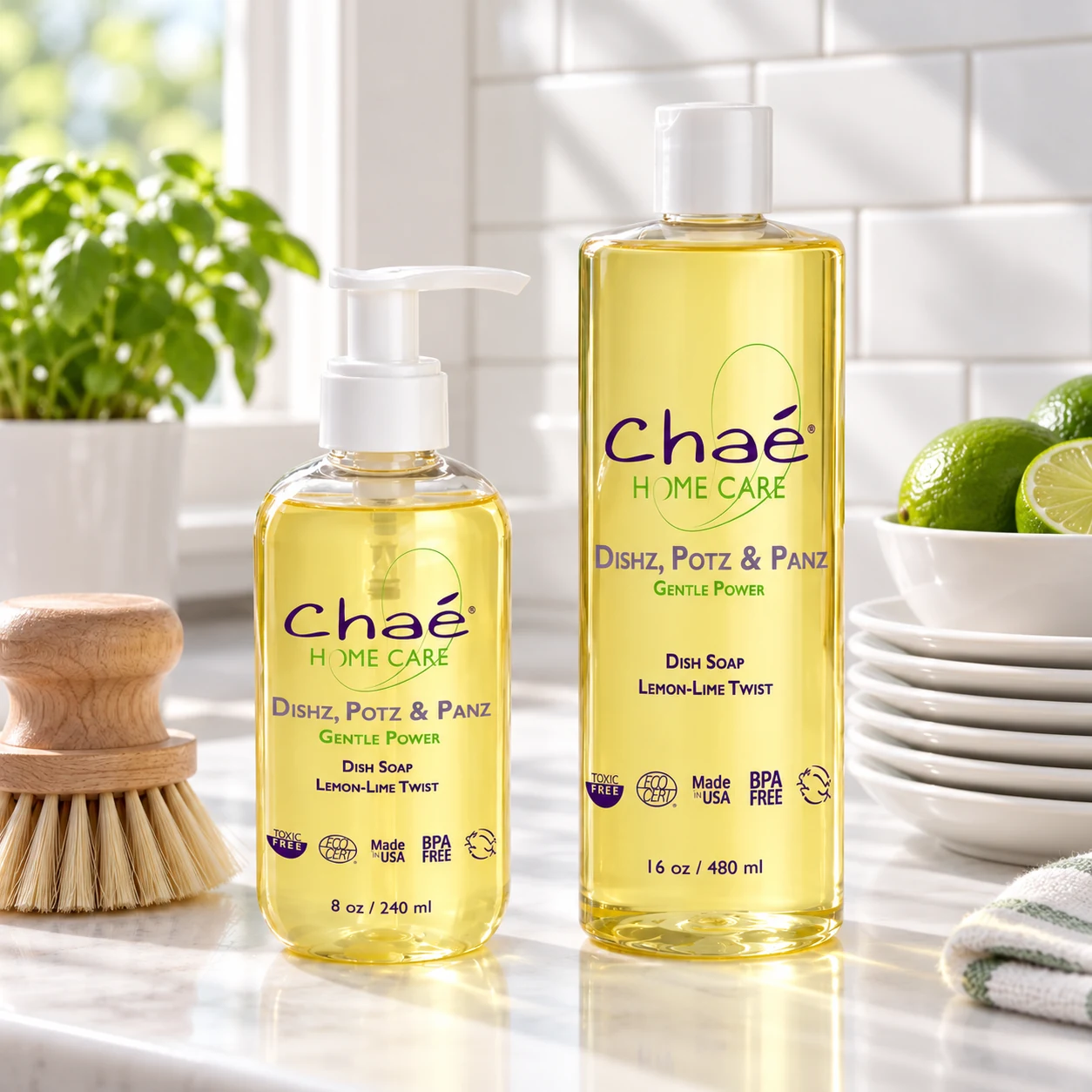
Our Dishz, Potz, & Panz Dish Soap comes in a 16 oz bottle, or an 8 oz bottle with a hand pump that makes “a few drops” easy.
Most spray cleaners are mostly water. Buying them ready to use means paying to ship water and buying a new plastic bottle every time. A concentrate flips that around: one bottle, mixed with tap water as you need it, at the strength the job calls for.
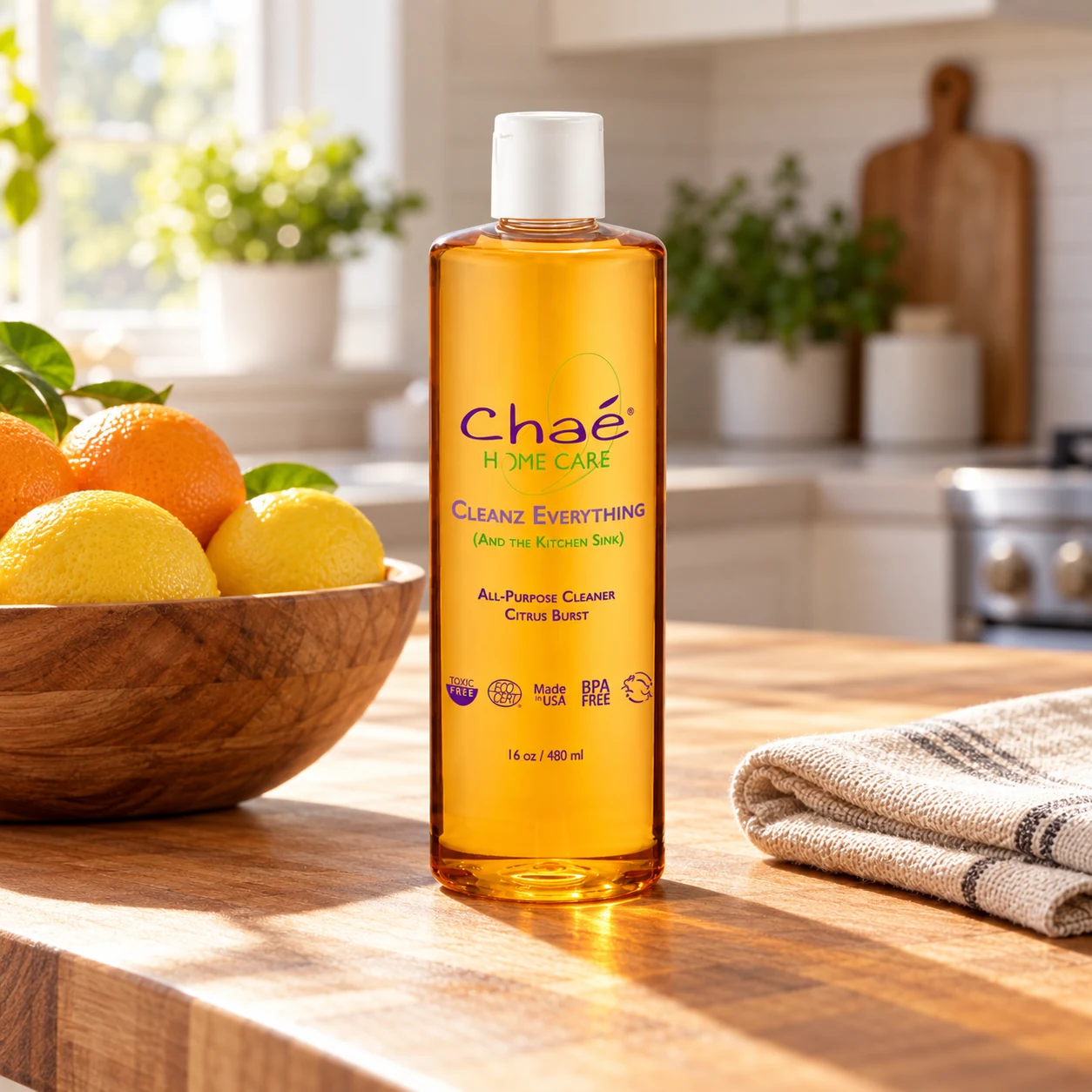
Our Cleanz Everything Citrus Burst is a super-concentrated all-purpose cleaner built to replace at least 13 household products, from glass cleaner to degreaser. It cuts through grease, hard water and stains on most surfaces, including glass, and rinses clean without leaving a residue for dust and dirt to cling to. Here is how much to use:
| Job | How much Cleanz |
|---|---|
| Glass and surfaces | 1–2 drops in 6 oz of water (one Cleanz Dilution Bottle) |
| Light cleaning: windows, mirrors, jewelry, shoes | A few drops in 16 oz of water |
| Everyday grime: tile, counters, floors, walls, woodwork, metals, the refrigerator | 1 tsp in 16 oz of water |
| Heavy cleaning: bathrooms, stovetops, greasy surfaces, stainless steel, dirty floors, lawn chairs | 2 tbsp in 16 oz of water |
| Large jobs: toys, garden tools, washing the car | 1 tbsp in several gallons of water |
| Stubborn grease, stains and hard water | Full strength, used sparingly |
Mix it in a clean spray bottle such as our 6 oz Cleanz Dilution Bottle, label it, and test on a hidden spot before using it on wood, stone or anything delicate.
These two words get used as if they meant the same thing. They don’t:
Clean first, because dirt gets in the way of a disinfectant. For everyday wipe-downs, cleaning is enough. When someone in the house is sick, or after raw meat has touched a counter, follow your cleaning with an EPA-registered disinfectant used as its label directs.
No. Cleanz is a cleaner: it lifts grease, grime, hard water and stains so they wipe away. It isn’t registered with the EPA as a disinfectant, and we don’t claim it kills germs. Dishz is the same: a dish soap that gets dishes clean, not a sanitizer.
For more on what is lurking in a typical cleaning cabinet, see is your cleaning routine making your home more toxic?
Cleans with a blend of cleansers: sodium C14-16 olefin sulfonate for grease-cutting, softened with cocamidopropyl betaine, sodium lauroyl sarcosinate and decyl glucoside, a cleanser from 100% renewable vegetable sources. Sodium lauroyl lactylate helps keep hands comfortable. The lemon-lime scent comes from organic lemon and lime oils, with a touch of lemongrass. It is biodegradable, phosphate-free and safe for septic systems.
Cleans with sodium lauroyl methyl isethionate and cocamidopropyl hydroxysultaine, with vegetable glycerin. It is kept fresh with a lactobacillus and coconut fruit ferment instead of synthetic preservatives, and made with water that is softened, charcoal-filtered, reverse-osmosis treated, deionized and UV-treated. The scent is a light Citrus Burst blend. No gloves needed: it is designed to be gentle on hands.
A cleaner kitchen comes down to two good products used well: a mild dish soap, a few drops at a time, and one all-purpose concentrate diluted to the job. Clean first, disinfect only when you need to with a product made for it, never mix cleaners, and you can clear out most of the bottles under the sink.
A dish soap that cuts grease with a balanced blend of cleansers but rinses clean without leaving hands dry or tight. “Mild” isn’t regulated, so check the ingredient list.
Yes. Add a little to hot dish water and let greasy pots and pans soak briefly before scrubbing. Dishz is made to be tough on grease and mild on hands.
Less than you think. A few drops on a damp sponge handle a sink of everyday dishes.
Yes. It is biodegradable and phosphate-free.
It depends on the job: 1–2 drops in 6 oz of water for glass and surfaces, 1 tsp in 16 oz for everyday grime, and 2 tbsp in 16 oz for heavy cleaning. See the chart above.
No. Cleanz is a cleaner, not an EPA-registered disinfectant. It removes grease and grime; when you need to kill germs on a surface, use an EPA-registered disinfectant after cleaning.
Dishz and Cleanz are Certified ToxicFree® and Leaping Bunny certified. Start with the pair, or get them together in a kit.

Tough on grease, mild on hands—a biodegradable dish soap where a little goes a long way.

One concentrate that replaces a cabinet full of cleaners—without the harsh fumes or glove-only formulas.
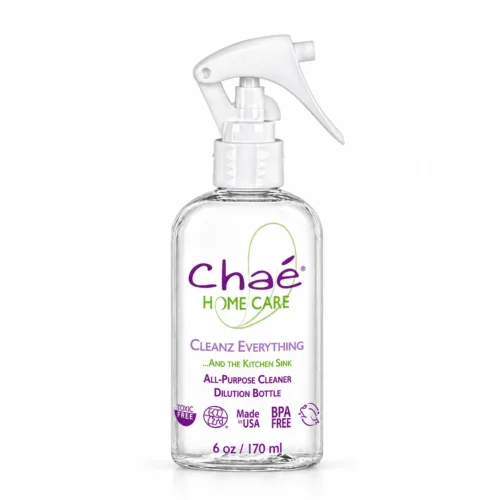
The spray bottle made for your Cleanz Everything concentrate.
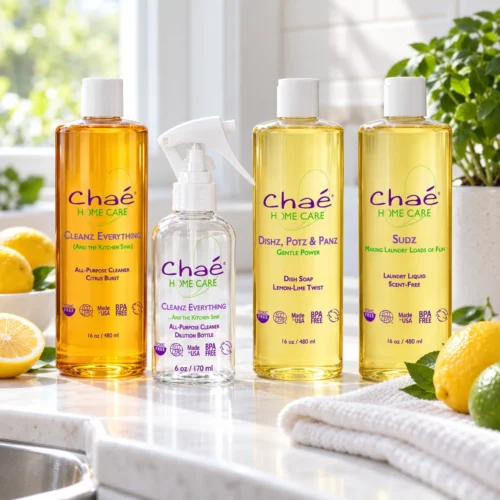
Four household basics for surfaces, dishes and laundry, in one starter box.
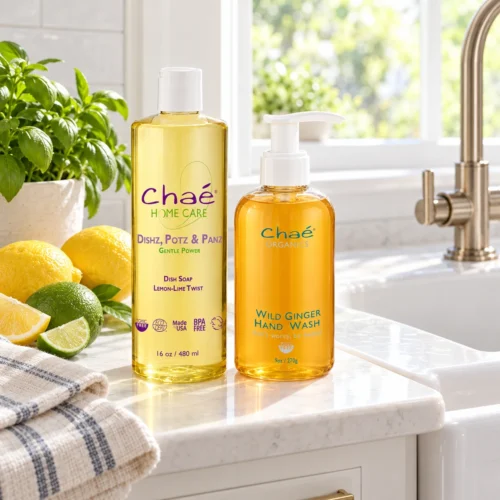
Dish soap and hand wash for the kitchen sink: tough on grease, kind to busy hands.
It’s finally officially spring! Winter’s cold is making way for the freshness of rain and new growth. The days grow longer, the…
Why switching to toxic-free skincare and household cleaners is worth it, how to spot the real thing on a label, and answers…
Labels like “natural” and “safe” are easy to print and hard to verify. Here’s what ToxicFree® certification means for you, for manufacturers,…
Sign up for ToxicFree® tips, new arrivals and member-only offers. Your code arrives in your welcome email.
Sign in to check out faster, track orders and manage Subscribe & Save.