Why Choose Chae Organics?
What we make, what we leave out, and why we believe organic, ToxicFree® skincare should be easy to find, easy to afford…
 Certified ToxicFree® · Cruelty-free · Made in Colorado
What ToxicFree® certification means, which conventional ingredients it keeps out of your routine, and why pure ingredients are better for your skin, the planet and your budget.

The shift toward organic skincare is gaining momentum. It’s driven by a growing awareness of the potential harm caused by toxic ingredients in conventional skincare products.
ToxicFree® skincare, certified by The ToxicFree® Foundation, offers a safe, effective alternative: products made with pure ingredients that support healthy skin without compromising the environment. Whether you’re a skincare enthusiast or just starting out, here’s why a ToxicFree® routine is worth embracing — and how to choose products you can trust.
The short version
ToxicFree® skincare is more than a trend. It’s a commitment to health and sustainability. These products are free from harmful chemicals and rely on pure, natural ingredients instead. They’re designed to nourish your skin without causing irritation or long-term damage.

“ToxicFree®” isn’t just a label, either. It’s a certification granted by The ToxicFree® Foundation, and it assures you that the product you’re using is genuinely free from toxic substances.
The ToxicFree® Foundation is a non-profit organization whose mission is to help consumers identify truly safe and healthy products. It certifies products that are free from all known toxic ingredients — skincare, personal care items and even household goods.
When you see the ToxicFree® certification on a product, you can trust that it’s free from harmful chemicals. In the often confusing world of skincare labels, it’s a clear signal of safety and transparency. For more on how it works, read The Significance of ToxicFree® Certification.
Conventional skincare products often contain a cocktail of chemicals. They may promise quick results, but they can also pose risks to your health.
Many of these chemicals are absorbed through the skin. Over time, they can accumulate in the body and potentially lead to health issues. Some are known to disrupt hormones or cause allergic reactions. A few common ones to watch out for:
Spotting harmful chemicals can be challenging. Many hide behind complex scientific names or vague terms like “fragrance.” With a little research, though, you can learn to recognize them — look for resources online or use apps that analyze product ingredients. Our guide to the top 5 skincare ingredients to avoid is a good place to start.
The simplest way to avoid harmful chemicals is to choose products certified by The ToxicFree® Foundation. Its certification tells you a product is free from all known toxic substances.
Organic skincare products are rich in pure, natural ingredients that are gentle on the skin and provide essential nutrients. Plant extracts and essential oils, for example, can help soothe and calm skin and support its natural renewal. They’re also less likely to cause allergic reactions than synthetic ingredients.
Organic skincare products also often contain powerful antioxidants, which help protect skin from environmental damage and slow the visible signs of aging.
Antioxidants are vital for skin health. They neutralize harmful free radicals that can damage skin cells and accelerate aging.
Natural oils such as jojoba, argan and rosehip are just as valuable. They provide deep hydration and help maintain the skin’s natural moisture barrier. Many conventional products, by contrast, contain mineral oil, a petroleum byproduct that can clog pores and lead to breakouts.
Organic skincare is good for the environment as well as your skin. It’s typically produced using sustainable farming practices that help maintain soil health and biodiversity.
It’s also free from harmful chemicals that can pollute waterways and harm marine life — a significant advantage over conventional products, which often contain ingredients that are toxic to the environment. And many organic brands prioritize eco-friendly packaging, which reduces waste and contributes to a more sustainable beauty industry.
Choosing organic skincare supports renewable resources and the avoidance of harmful pesticides and fertilizers. Many organic brands are also committed to ethical sourcing, making sure their workers receive fair wages and good working conditions. So it isn’t just a personal health decision. It’s a way to contribute to a more sustainable and equitable world.
Organic skincare may look more expensive upfront, but it can be more cost-effective in the long run. It often contains higher concentrations of active ingredients, so you need less product per application.
Investing in organic skincare can also mean saving on future healthcare costs, thanks to less exposure to harmful chemicals that can cause health issues over time. And supporting organic brands contributes to a more sustainable economy, since these companies often prioritize fair trade and ethical labor practices that benefit communities around the world.
When it comes to skincare, think about long-term benefits rather than short-term savings. Organic skincare can help keep your skin healthy and youthful-looking over time, reducing the need for expensive treatments or procedures later. Avoiding harmful chemicals can also lower your risk of developing skin allergies or sensitivities, sparing you the discomfort and expense that come with them.
The initial investment may be larger, but the long-term payoff makes organic skincare a smart choice for your health and your wallet.
In a market flooded with products claiming to be “natural” or “organic,” it can be hard to tell which are genuinely toxic-free. A few things to look for:
First, check for certification from a reputable organization like The ToxicFree® Foundation. Certification means the product meets strict standards for purity and safety.
Second, read the ingredient list. Genuine toxic-free products use pure, natural ingredients and avoid harmful chemicals. Common ones to avoid:
Skincare labels can feel daunting, but reading them is a crucial step toward choosing truly toxic-free products. Look for clear, easy-to-understand ingredient lists. Brands committed to transparency will often explain the purpose of each ingredient, which makes informed decisions easier.
Finally, don’t rely on terms like “natural” or “organic” alone. They’re often misused and can be misleading. Certification from a reputable organization is what assures you a product meets strict standards for safety and purity.
A ToxicFree® lifestyle goes beyond choosing the right skincare products. It’s about making conscious choices that benefit your skin, your overall health and the environment.
By choosing ToxicFree® skincare, you’re taking a real step toward a healthier, more sustainable life. It’s a choice your skin, your body and our planet will thank you for.
ToxicFree® is a certification granted by The ToxicFree® Foundation. It tells you a product is free from all known toxic ingredients.
A non-profit organization whose mission is to help consumers identify truly safe and healthy products. It certifies skincare, personal care items and household goods.
Common ones include parabens, phthalates, synthetic or artificial fragrances, sulfates such as sodium lauryl sulfate (SLS), formaldehyde, artificial dyes and endocrine disruptors.
Often, yes. Organic products tend to contain higher concentrations of active ingredients, so you use less per application, and avoiding harmful chemicals can save you the cost of dealing with skin sensitivities later.
No. Those terms are often misused. Read the full ingredient list and look for certification from a reputable organization like The ToxicFree® Foundation.
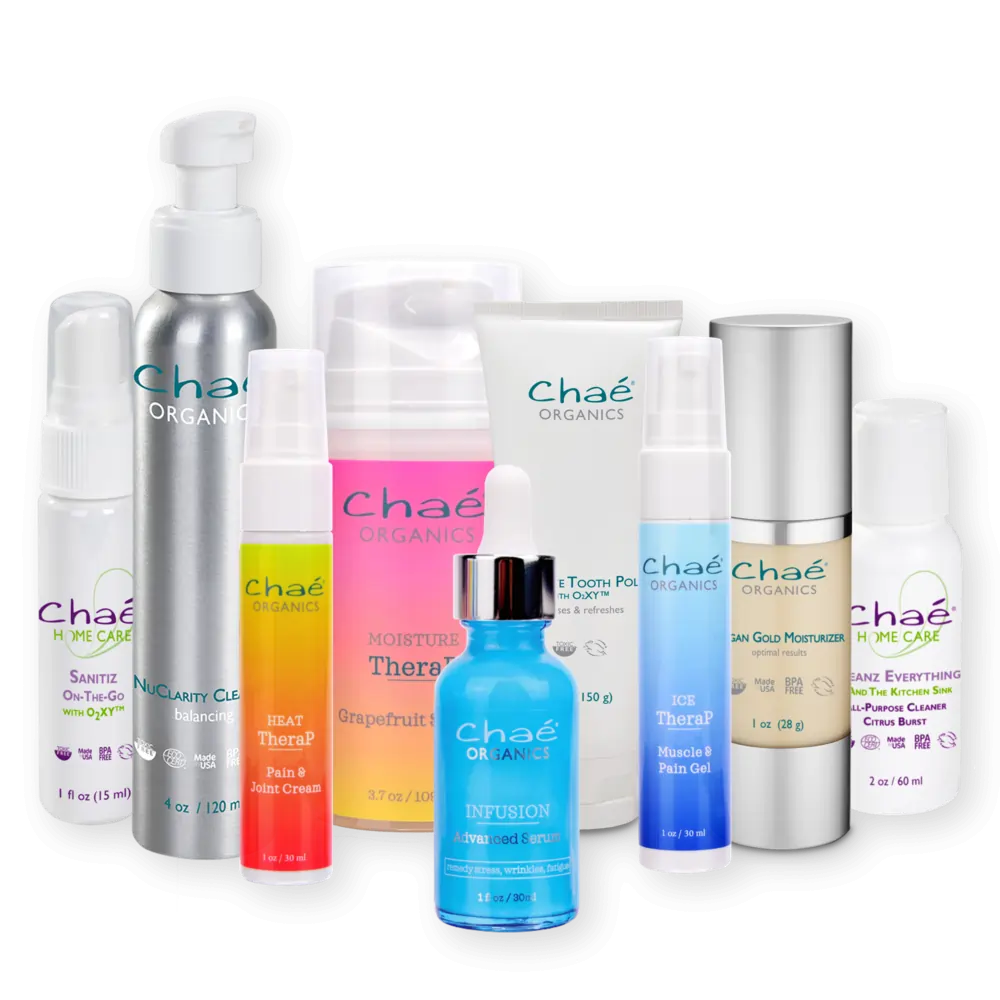
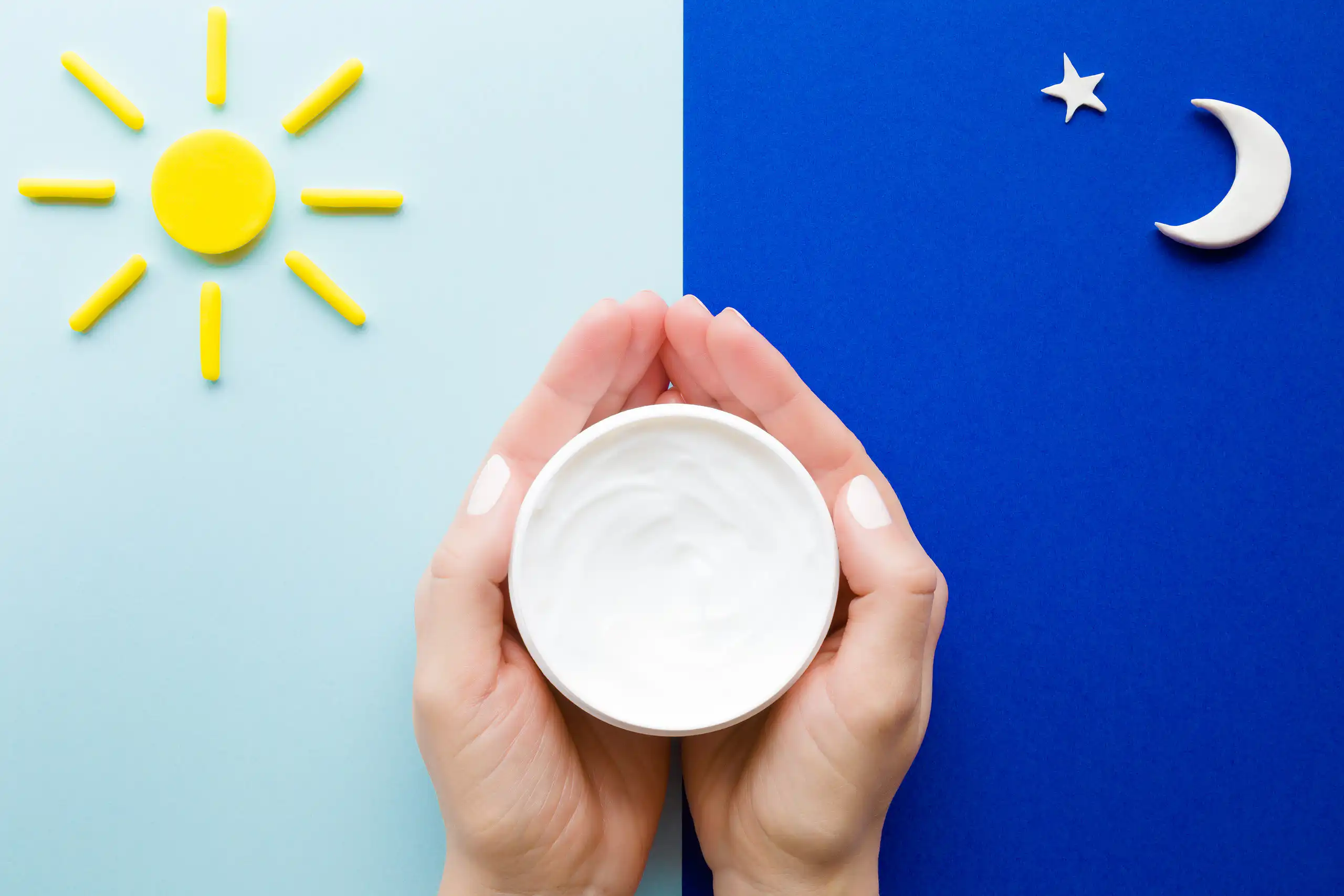
The Wellness Kit pictured above gathers ToxicFree® essentials for face, body and home. The ToxicFree® Daily Routine builds a simple day-and-night skincare routine, and Argan Collagen Moisturizer brings argan, one of the natural oils in this article, into your daily hydration.
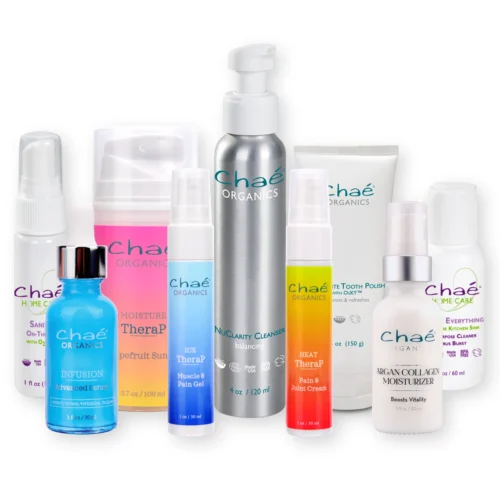
Ten everyday Chaé essentials for face, body and home, in one starter kit.
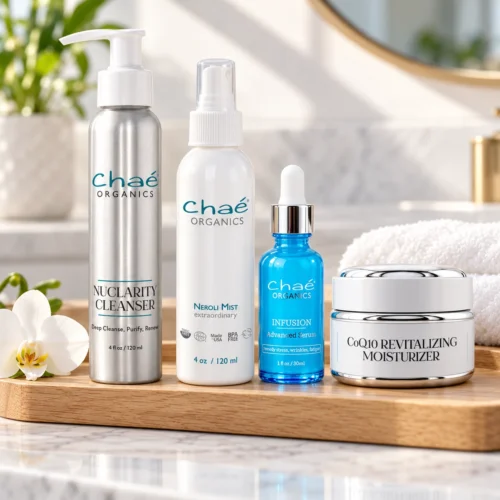
A four-step face routine for morning and night: cleanse, mist, glow by day, moisturize by night.
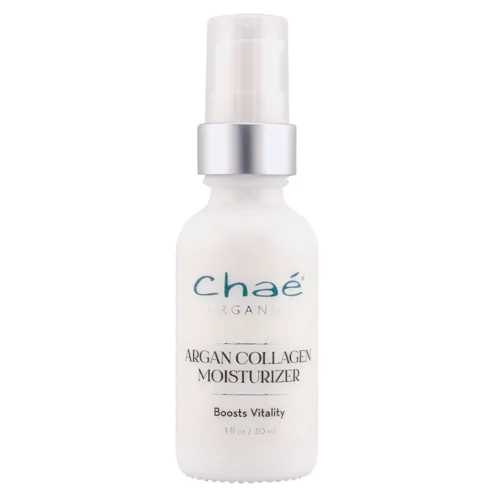
Deep hydration. Stronger barrier. Firmer-looking skin—without heaviness.
What we make, what we leave out, and why we believe organic, ToxicFree® skincare should be easy to find, easy to afford…
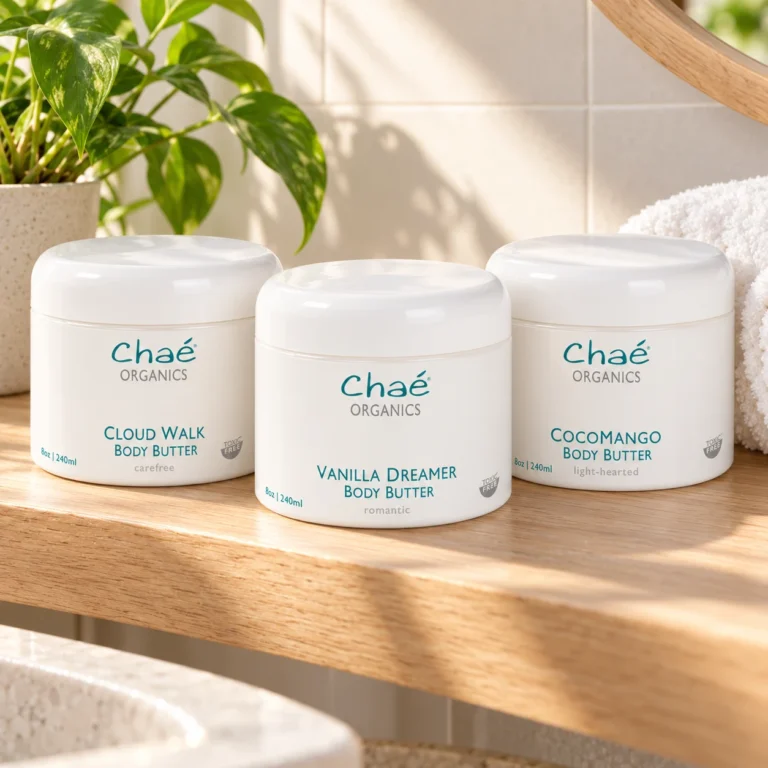
What sets Chaé Organics apart: products free from toxins and harsh chemicals, every ingredient in plain view, real results, and a commitment…
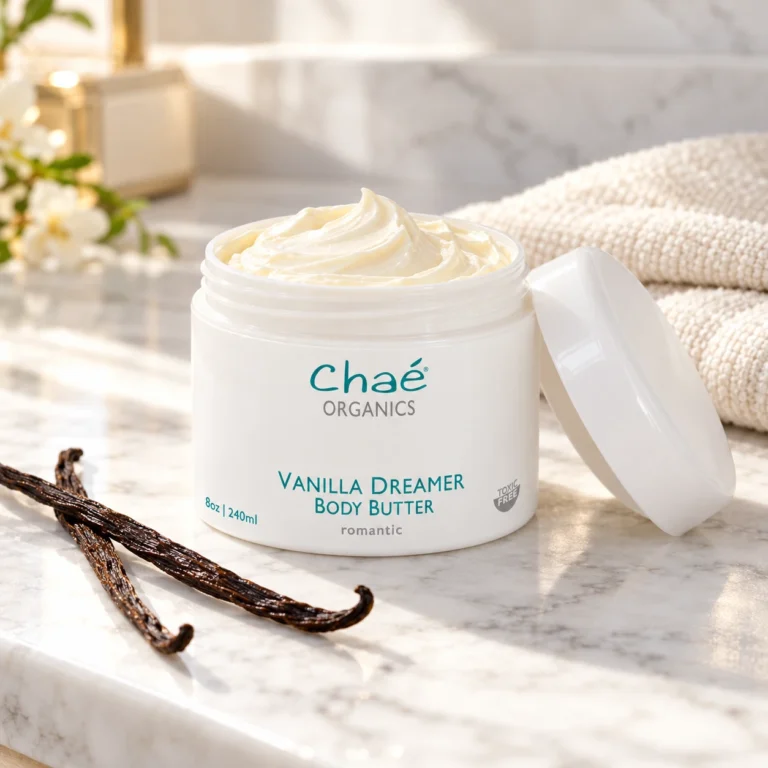
July 24 — written 7/24 — is a reminder that self-care matters around the clock, not just on spa days. Here’s what…
Sign up for ToxicFree® tips, new arrivals and member-only offers. Your code arrives in your welcome email.
Sign in to check out faster, track orders and manage Subscribe & Save.