
Your Skin Has Two Different “Plumbing Systems”
Oil and sweat reach the surface of your skin by two separate routes. Here’s why that matters for the products you choose.
 Certified ToxicFree® · Cruelty-free · Made in Colorado
Dark spots and uneven tone start long before you can see them. Here’s what’s happening beneath the surface, and the cell at the center of it all.

Most of us think of skin damage as something we can see: a wrinkle, a dark spot, a change in texture. But beneath the surface, your skin is constantly recording your environment, your habits and your exposure.
The short version

What you’re looking at isn’t damage that’s coming. It’s damage your skin is already storing.
That hidden layer tells a different story, one of accumulated stress, protection and adaptation.

At the center of this story is a remarkable cell called the melanocyte.
Think of it like a hand. The center is the cell body, and the “fingers” reach outward, delivering pigment (melanin) to the surrounding skin cells.
This is your skin’s natural defense system, constantly working to protect you.

In healthy, balanced skin, melanocytes quietly do their job. They produce just enough pigment to:
This is what we think of as “normal” skin behavior: calm, even and controlled.

But when skin is exposed to repeated stress, especially UV, those same melanocytes become overactive. Instead of distributing pigment evenly, they begin to concentrate it.
That’s when:
What you see on the surface is simply the result of a system that has been working overtime.
We recommend these two for skin that’s showing past exposure: Perfection Brightening Serum, with vitamin C to brighten and even the look of tone, and CoQ10 Revitalizing Moisturizer to follow.

Vitamin C glow—without the sting. Brighter tone, calmer skin, and a smoother look.

Firming, brightening moisture that makes skin look more awake—fast.

Intense, long-lasting moisture that helps your whole body recover from dryness.
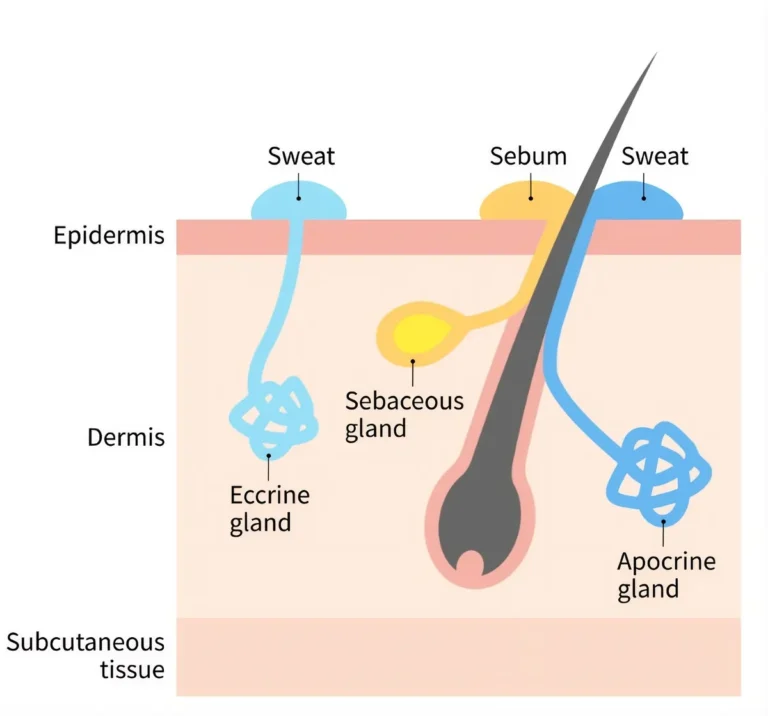
Oil and sweat reach the surface of your skin by two separate routes. Here’s why that matters for the products you choose.

Chaé’s four-step routine (cleanse or exfoliate, mist, serum, moisturize) with the products to reach for at each step, whatever your skin type.

Seven core steps, plus the habits around them — customizing, masks, lifestyle, nutrition, life stages, and ethical choices — for healthier, glowing…
Sign up for ToxicFree® tips, new arrivals and member-only offers. Your code arrives in your welcome email.

Sign in to check out faster, track orders and manage Subscribe & Save.