
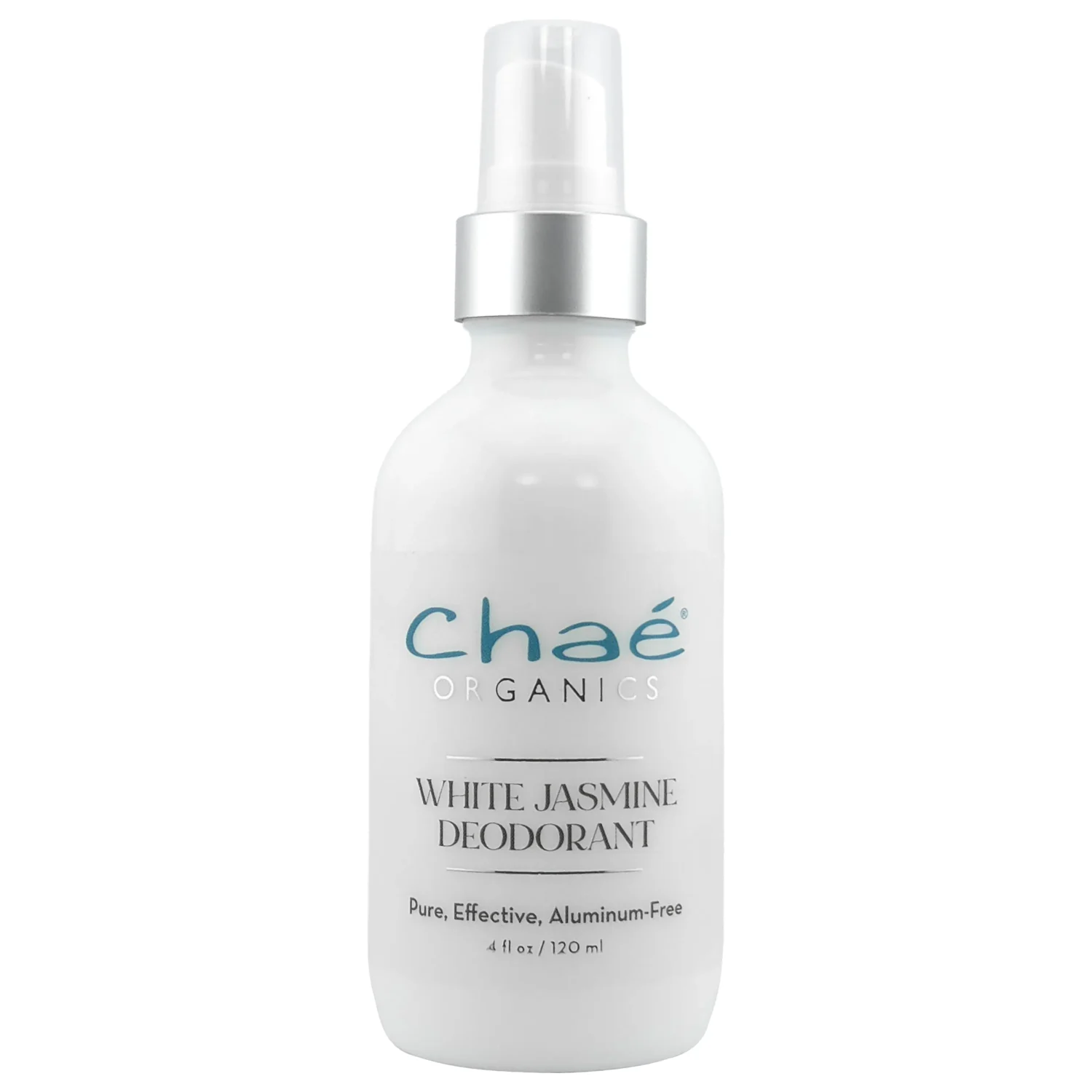
Is Your Deodorant Doing More Harm Than Good? What to Know About Aluminum-Free Deodorant
Aluminum-Free Deodorant Guide
Is Your Deodorant Doing More Harm Than Good?
If your deodorant leaves your underarms irritated, your shirts stained, or your skin feeling sticky and coated, it may be time to look closer at what you are using every day.
Most People Do Not Think About Deodorant Until It Becomes a Problem
Deodorant is one of those products people use almost automatically. You put it on in the morning, hope it keeps you fresh, and move on with your day.
But the underarm area is sensitive. It deals with sweat, shaving, friction, bacteria, fabric, and daily product use. So if your deodorant stings, feels sticky, leaves buildup, or only works for a few hours, the formula is worth a second look.
The first thing to understand is simple: deodorant and antiperspirant are not the same thing.

Deodorant vs. Antiperspirant: What Is the Difference?
People often use the words deodorant and antiperspirant like they mean the same thing, but they work differently.
Deodorant
Deodorant is made to help control odor. Depending on the formula, it may help neutralize odor, reduce odor-causing bacteria, add a light scent, or help your underarms feel fresher throughout the day.
Antiperspirant
Antiperspirant is made to reduce sweat. It uses aluminum-based compounds to temporarily block sweat ducts, which reduces how much sweat reaches the surface of your skin.
Sweat itself is not usually the part that smells. Body odor happens when sweat interacts with bacteria on your skin. That is why odor control does not always have to mean stopping sweat completely.
For people who deal with heavy sweating, antiperspirant can be useful. But if your main concern is odor, you may not need a product that blocks sweat every day.
Why People Are Looking for Aluminum-Free Deodorant
The conversation around aluminum in antiperspirant can get dramatic fast. This does not need to be a fear-based decision.
The National Cancer Institute notes that no scientific evidence links underarm antiperspirants or deodorants to the development of breast cancer. So the better conversation is not panic. It is preference, comfort, skin feel, and what you actually need your deodorant to do.
For many people, switching to aluminum-free deodorant is practical. They want something that feels better on their skin, avoids aluminum salts, feels lighter, and focuses on odor instead of blocking sweat.
Some people are tired of yellowish underarm stains on light shirts. Some do not like sticky residue. Some get irritation after shaving. Others simply prefer a daily product that lets the body sweat normally while still helping control odor.
That is a reasonable choice. Sweating is not a mistake your body is making. It helps regulate temperature and cool the body down.
The Yellow Underarm Stain Problem
If you have ever ruined a white shirt with yellow underarm stains, your antiperspirant may be part of the issue.
Those stains are often tied to a reaction between sweat, fabric, and aluminum-based ingredients used in antiperspirants. Over time, that can leave the underarm area of light shirts looking yellow, stiff, or dingy.
This is one of the most practical reasons people try aluminum-free deodorant. It is not about chasing a trend. It is about not wanting your deodorant to wreck your clothes.

What Happens When You Stop Blocking Sweat?
If you switch from antiperspirant to aluminum-free deodorant, you may notice more wetness at first.
That is normal. Your sweat glands are no longer being blocked, so sweat can reach the surface of your skin again. Some people call this a “detox,” but that word makes it sound more mysterious than it really is.
Your body is not doing anything weird. It is simply adjusting to a product that works differently.
The first week or two may feel different, especially if you have used antiperspirant for years. You may need to reapply more often at first. You may also need to give your skin a little time to settle into the new routine.
When Your Deodorant Is the Problem
You do not need to be on some big wellness mission to switch deodorant.
Sometimes the reason is simple: your current one is not working for you.
Maybe it leaves your underarms irritated. Maybe it stings after shaving. Maybe it feels sticky or waxy. Maybe the fragrance is too strong. Maybe you are tired of yellow stains showing up on white shirts.
Or maybe you just do not want a daily product that blocks sweat when your real concern is odor.
That is where aluminum-free deodorant makes more sense. A good formula should help control odor without making your underarms feel coated, dry, or uncomfortable.
Not All Aluminum-Free Deodorants Are the Same
This is where a lot of people get frustrated. They try one natural deodorant, it does not work, and they decide all aluminum-free deodorants are useless.
But the formula matters.
Some natural deodorants rely heavily on baking soda, which can irritate sensitive skin. Some use strong fragrance to cover odor instead of helping manage it. Some feel greasy, chalky, or sticky. Some work for a few hours and then disappear when you actually need them.
A better aluminum-free deodorant should do more than smell good. It should help fight odor at the source, feel clean on the skin, avoid unnecessary harsh ingredients, and be comfortable after shaving.
The best deodorants feel closer to skin care than a cover-up.
Ingredients to Look For in an Aluminum-Free Deodorant
If you are shopping for an aluminum-free deodorant, the ingredient list is worth reading. A few ingredients can make a big difference in how a deodorant performs and how it feels on your skin.
Plant Ferment Deodorizers
Plant-based ferment deodorizers can help address odor-causing compounds instead of simply masking everything with fragrance.
Oat Kernel Extract
Oat-based ingredients are commonly used in skin care for a soothing feel, which makes them useful for underarms that get dry, itchy, or irritated.
White Tea Extract
White tea brings an antioxidant-rich skin-care angle to deodorant and helps make the formula feel more thoughtful than a basic odor cover-up.
This is the kind of ingredient approach that makes sense for daily underarm care. The goal is not just to smell better. The goal is to use something that feels better, too.
Why a Non-Aerosol Spray Deodorant Can Feel Better
Most people picture deodorant as a stick, but a non-aerosol spray has real advantages.
A spray deodorant applies quickly and evenly. It does not drag across freshly shaved skin. It does not leave the same waxy buildup that some stick deodorants can leave behind.
When the formula is lightweight, it can dry down cleanly without feeling greasy, sticky, or thick.
A non-aerosol spray also gives you more control than a traditional aerosol. You are not filling the room with a heavy cloud of fragrance. You are applying the product where you actually need it.
Will Aluminum-Free Deodorant Keep You Dry?
Not completely. And it should not promise to.
Aluminum-free deodorant is not the same thing as antiperspirant. It is not designed to fully block sweat. You may still sweat when it is hot, when you are active, when you are nervous, or when your body is simply doing what bodies do.
That does not mean the deodorant is failing.
A good aluminum-free deodorant should help manage odor and keep your underarms feeling fresher. It lets you sweat without letting odor take over.
For many people, that is the better balance.
Is Aluminum-Free Deodorant Better for Sensitive Skin?
It can be, but the formula still matters.
“Aluminum-free” does not automatically mean gentle. Some deodorants still include ingredients that can bother sensitive skin, including heavy fragrance, baking soda, or formulas that leave the area feeling dry and irritated.
If your skin is sensitive, look for a deodorant that avoids unnecessary harsh ingredients and includes soothing botanicals.
A lightweight formula with ingredients like oat kernel extract and antioxidant-rich white tea extract can be a better option for underarms that get irritated easily, especially after shaving.
How to Make the Switch to Aluminum-Free Deodorant
If you are switching from antiperspirant to aluminum-free deodorant, keep it simple.
Start by applying it to clean, dry skin. If you are using a spray deodorant, let it dry before getting dressed. Reapply as needed, especially during the first week or two.
Do not judge the switch after one sweaty afternoon. Your body may need a little time to adjust, especially if you have spent years using a sweat-blocking antiperspirant.
You may also want to avoid layering too many underarm products at once. If your skin is irritated, give it a break and keep your routine simple.
The Bottom Line
Your deodorant should not make your underarms feel irritated, sticky, dry, or uncomfortable.
It should not sting every time you apply it. It should not leave your skin feeling coated. It should not ruin your shirts. And it should not need to drown you in fragrance just to get through the day.
A good aluminum-free deodorant lets your body sweat naturally while helping control odor in a cleaner, more comfortable way.
Look for a formula with ingredients that actually serve a purpose: odor-fighting deodorizers, soothing botanicals, antioxidant-rich extracts, and a light finish that feels good on the skin.
Because staying fresh should not mean fighting your body. It should mean choosing something that works with it.
FAQ: Aluminum-Free Deodorant
What is the difference between deodorant and antiperspirant?
Deodorant helps control body odor. Antiperspirant helps reduce sweat by using aluminum-based ingredients to temporarily block sweat ducts. If your main concern is odor, deodorant may be enough. If your main concern is heavy sweating, antiperspirant may provide stronger wetness control.
Does aluminum-free deodorant stop sweat?
No. Aluminum-free deodorant does not stop sweat the way an antiperspirant does. It is designed to help control odor while allowing your body to sweat naturally.
Why do my underarms smell after switching to aluminum-free deodorant?
Your body may need time to adjust after years of using antiperspirant. Since your sweat glands are no longer being blocked, you may notice more wetness or odor at first. This usually improves as you find the right formula and routine.
How long does it take to adjust to aluminum-free deodorant?
Many people adjust within one to two weeks, although it can vary. During that time, you may need to reapply more often, especially during hot weather, workouts, or stressful days.
Is aluminum-free deodorant better for sensitive skin?
It can be, but it depends on the formula. Look for deodorants that avoid unnecessary harsh ingredients and include soothing ingredients like oat kernel extract. If you are sensitive to baking soda or strong fragrance, avoid formulas that rely heavily on those ingredients.
Why does antiperspirant stain white shirts yellow?
Yellow underarm stains are often linked to a reaction between sweat, fabric, and aluminum-based ingredients in antiperspirants. Switching to an aluminum-free deodorant may help reduce this kind of staining over time.
What ingredients should I look for in aluminum-free deodorant?
Look for ingredients that help with odor and skin comfort, not just fragrance. Plant ferment deodorizers, oat kernel extract, white tea extract, and other skin-supporting botanicals can make a deodorant feel more effective and comfortable.
Is spray deodorant better than stick deodorant?
It depends on your preference. A non-aerosol spray deodorant can feel lighter, dry cleaner, and avoid waxy buildup. It can also be more comfortable on freshly shaved skin because it does not drag across the underarm area.
Do natural deodorants actually work?
Some do, some do not. The formula matters. A good aluminum-free deodorant should help control odor at the source, feel comfortable on the skin, and avoid relying only on heavy fragrance to cover body odor.
Can teens use aluminum-free deodorant?
Yes, aluminum-free deodorant can be a good option for teens, especially if the goal is odor control rather than sweat blocking. A gentle, lightweight formula is usually a better starting point than something harsh or heavily perfumed.
Sources
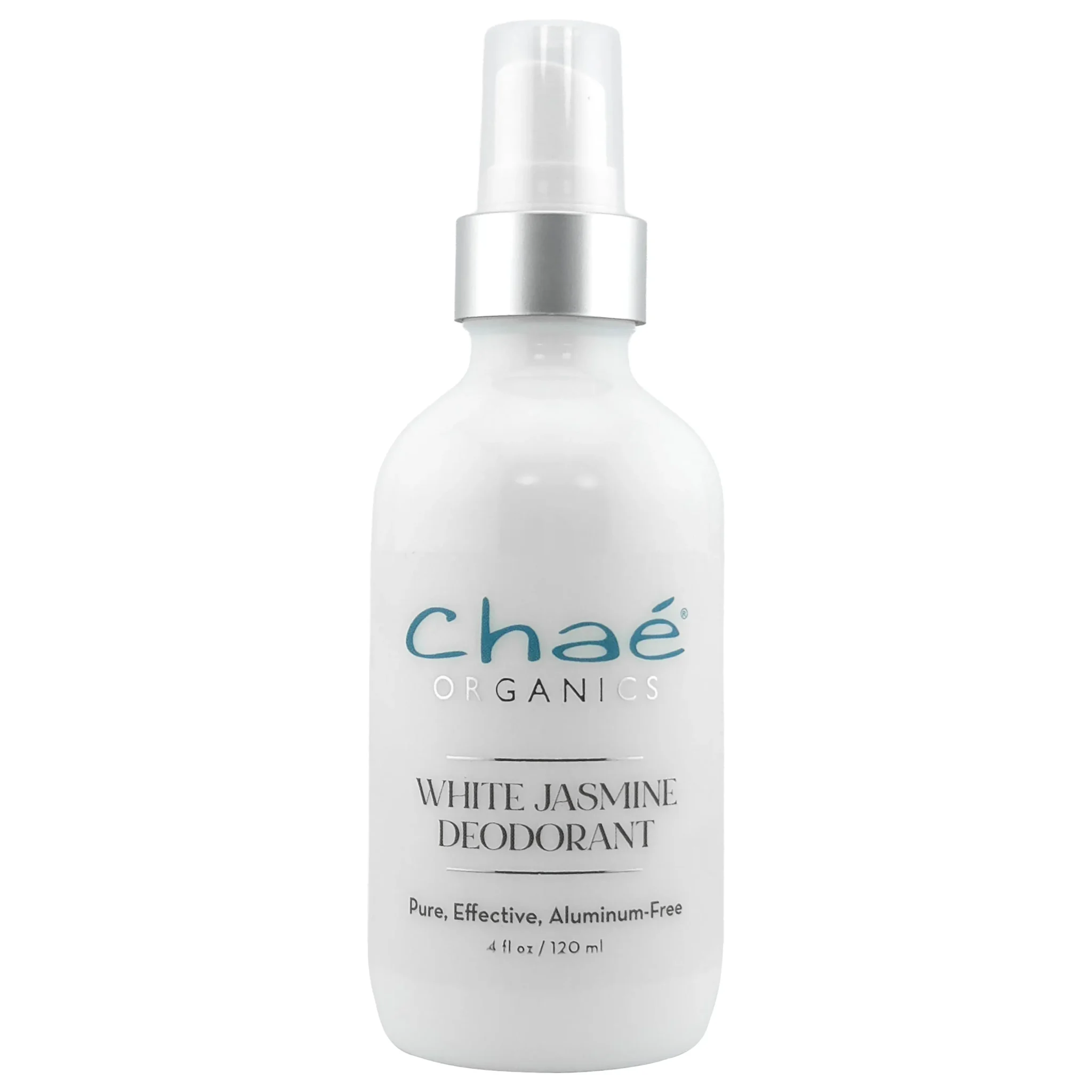
Product Spotlight
White Jasmine Aluminum-Free Deodorant
If you want odor control without blocking sweat, this non-aerosol spray deodorant keeps the routine simple: a lightweight feel, a clean dry-down, and an aluminum-free formula made for everyday underarm care.
The formula uses a naturally derived plant ferment deodorizer to help fight odor, plus oat kernel extract and white tea extract to support skin comfort. It is made without aluminum, aluminum salts, sulfates, or glycols.
- Aluminum-free odor control
- Non-aerosol spray application
- Light, non-sticky feel
- Oat kernel extract for comfort
- White tea extract with antioxidants
- Made for men, women, and teens
Cruelty-free. Made in the USA. Certified ToxicFree®.