Understanding “Organic” and “Natural”: A Comprehensive Guide
“Organic” and “natural” sound alike, but they promise very different things. Here’s what each label really means and how to shop past the buzzwords.
September 22, 2023 · 3 min read
The terms “organic” and “natural” have taken the world by storm, especially in health, beauty and food. But there’s a lot of confusion around these buzzwords. This guide breaks down both terms, clarifies what they mean, and helps you make informed decisions as a consumer.
The short version
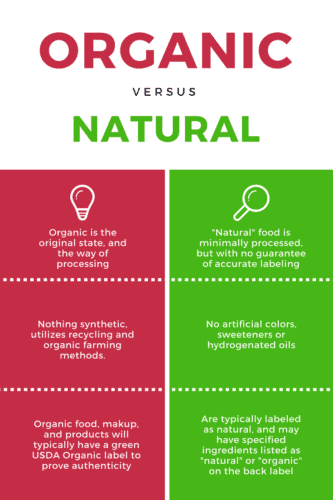
“Organic” is regulated in many countries. In the U.S., the USDA National Organic Program sets the standards.
Organic doesn’t mean pesticide-free: organic farmers can use naturally derived pesticides.
“Natural” has no universal definition, so it can be stretched for marketing and lead to greenwashing.
Organic reduces exposure to certain synthetic pesticides and GMOs, but it isn’t automatically more nutritious.
Look for third-party certifications: USDA Organic or EU Organic for food, COSMOS or EcoCert for beauty products.
What Does “Organic” Really Mean?
“Organic” usually signals a stricter set of guidelines than “natural.” Here’s what you need to know:
Regulated definition: in many countries, “organic” is regulated by government bodies. In the U.S., for instance, the USDA National Organic Program (NOP) sets the standards for organic agriculture.
Pesticide-free (mostly): organic farming generally avoids synthetic pesticides, herbicides and fertilizers. But it’s a misconception that organic means pesticide-free — organic farmers can use naturally derived pesticides.
GMOs: organic products, especially food, are typically GMO-free. Genetically modified organisms (GMOs) are not allowed under most organic certifications.
Holistic approach: organic farming often emphasizes sustainable practices, soil health and biodiversity.
Decoding “Natural”
“Natural,” by contrast, is a term that can be a bit elusive:
Lack of regulation: unlike “organic,” “natural” has no universal regulatory definition, so its meaning varies, especially in the food industry.
Broad spectrum: “natural” generally implies a product is minimally processed and free from synthetic additives. That isn’t always the case.
Misuse: because it’s so vague, “natural” can be exploited for marketing, leading to greenwashing. Shoppers may be misled into thinking a product is healthier or more environmentally friendly than it really is.
Tips for Consumers
Educate yourself: know the regulations and standards for “organic” labeling in your country.
Check certifications: trustworthy certifications provide clarity. For food, look for USDA Organic, EU Organic or similar labels. For beauty products, consider COSMOS or EcoCert.
Avoid greenwashing: be wary of products that market themselves heavily as “green” or “eco-friendly” based only on being “natural.” Do your research.
Buy local and seasonal: whether organic or not, local and seasonal choices are often more sustainable and better for your community.
Read reviews: other shoppers’ experiences can offer insight into a product’s authenticity and a brand’s transparency.
Making Sense of It All
In a world overwhelmed by marketing jargon, understanding terms like “organic” and “natural” is key to making informed decisions. Certifications and labels can guide you, but your best tool is knowledge. Stay curious, ask questions, and prioritize what aligns with your values and health goals.
By focusing on transparency, sustainability and evidence-based information, we can all navigate the marketplace more effectively. Share this guide with friends and family so they can demystify “organic” and “natural,” too.
FAQ: Organic vs. Natural
Why are organic products often more expensive?
Organic farming can be more labor-intensive and yield smaller crops, and the certification process can be costly. Together, these often mean higher prices for organic goods.
Are natural products always better for the environment?
Not necessarily. “Natural” might imply eco-friendly, but without specific standards or certifications, there’s no way to be sure. Some natural products still have a significant environmental footprint because of how they’re sourced or produced.
Can a product be both organic and natural?
Yes. Just remember that “organic” has specific criteria, while “natural” is more ambiguous. Always check for certifications and read labels carefully.
Are organic products always healthier?
Organic products reduce exposure to certain synthetic pesticides and GMOs, but that doesn’t automatically make them nutritionally superior. Nutrient content often depends more on the soil, growing conditions and harvesting methods.
How can I tell if a “natural” product is genuinely minimally processed?
Look for transparent brands that explain their production processes. Third-party certifications or seals can also provide assurance.
Product Spotlight
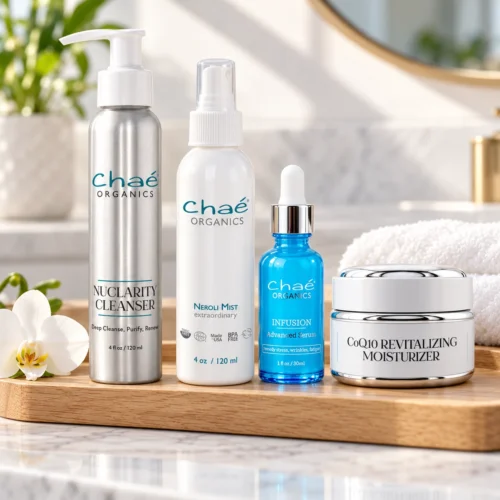
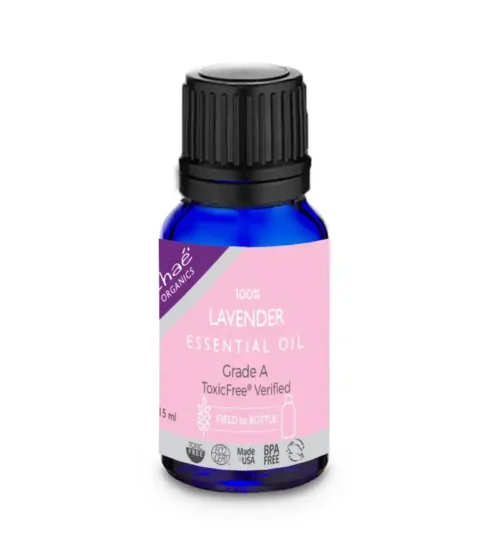
If you’d rather trust a standard than a buzzword, start with our ToxicFree® line — including a complete day-and-night routine, an argan oil moisturizer and pure lavender essential oil.
ToxicFree® Daily Routine
A four-step face routine for morning and night: cleanse, mist, glow by day, moisturize by night.
$165.84Original price was: $165.84.$99.50Current price is: $99.50.
Discover the harmful effects of toxic skincare ingredients like parabens, sulfates, and synthetic fragrances. This comprehensive guide explores five common toxic ingredients…