
Melatonin: Usage, Side Effects, and Safety
How melatonin works, how and when people take it, the side effects and drug interactions to know about, and gentler ways to…
 Certified ToxicFree® · Cruelty-free · Made in Colorado
Capsules and gummies deliver the same supplements in very different ways. Here’s how they compare on absorption, dosing, taste, experience and shelf life.

Capsules and gummies serve the same basic purpose: delivering a supplement. But they differ a lot in their design, in what it’s like to take them and in how your body handles them. Here’s how the two compare, point by point.
The short version
Capsules are often praised for how quickly they dissolve and absorb. Once swallowed, they break down fast in the stomach and release their contents. That helps with supplements that are best absorbed on an empty stomach or need to reach the bloodstream quickly.
Gummies tend to release more slowly because of their gelatin or pectin base. That can be an advantage for supplements that benefit from gradual absorption. Plant-based melatonin gummies, for example, may offer a more sustained release that can help mimic the body’s own release of melatonin, supporting a more natural sleep cycle.
Capsules are highly precise. Each one is made to contain an exact amount of the supplement, so every dose is consistent. That accuracy is crucial for supplements where precise dosing matters for effectiveness or safety.
Gummies are also made to contain a specific dose, though the gummy form can allow slight variations. Advances in manufacturing have greatly improved their consistency, and for non-critical supplements like melatonin, slight variations usually aren’t a significant concern.
Capsules generally have no flavor or aroma, since they’re swallowed whole. That’s a plus for supplements that taste or smell unpleasant.
Gummies win on flavor. Pleasant tastes and aromas are one of their main appeals, and they can mask supplements that would otherwise be hard to take. Plant-based melatonin gummies often come in fruity flavors, which makes them a tasty part of winding down before bed.
Capsules are often associated with medication. For some people, swallowing one feels clinical and can bring to mind illness or medical treatments.
Gummies make the experience more enjoyable. Because they feel like sweets, they can create a positive association with taking supplements — especially helpful for people who have trouble with pills and for children who resist taking supplements.
Capsules tend to have a long shelf life and stay stable when stored correctly, though moisture and extreme temperatures can degrade them.
Gummies also keep well, but they need careful storage so they don’t melt or stick together. High temperatures affect their stability, which matters during shipping and storage.
| Feature | Capsules | Gummies |
|---|---|---|
| Absorption | Dissolve quickly for rapid absorption | Slower, more sustained release |
| Dosing | Highly precise, exact amount | Specific dose; slight variation possible |
| Taste | None, swallowed whole | Pleasant flavors that mask unpleasant tastes |
| Experience | Can feel clinical | Enjoyable, like a sweet |
| Storage | Long shelf life; keep from moisture and extreme temperatures | Good shelf life; keep from heat so they don’t melt or stick |
Both formats have their advantages. Capsules offer precision, rapid absorption and no taste. Gummies provide a slower, more sustained release, appealing flavors and a positive experience. The right choice often comes down to personal preference, your specific health needs and your lifestyle.
If you want a pleasant, convenient and effective way to add a supplement like plant-based melatonin to your routine, gummies are an increasingly popular choice. For more, see why gummies make a good choice of sleep aid.
Good Night Sleep gummies are exactly the format this article describes: plant-based melatonin in a sustained-release, berry-flavored gummy that supports restful sleep. Pair them with Lavender Essential Oil for a calming aroma as you wind down.

Plant-based melatonin that helps you fall asleep—and stay asleep—without the foggy wake-up.
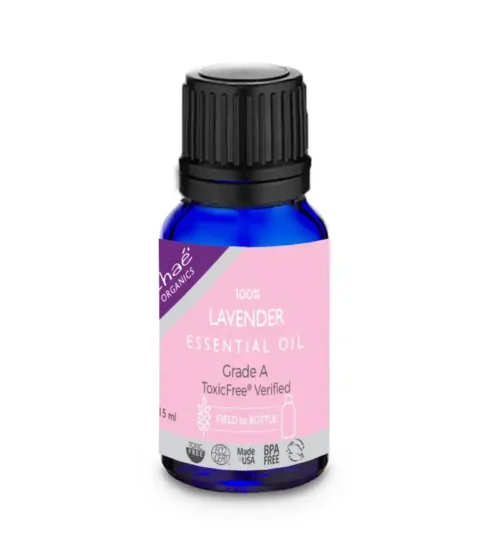
Sweet, herbal lavender from the first blooms of the season—made for slow evenings.
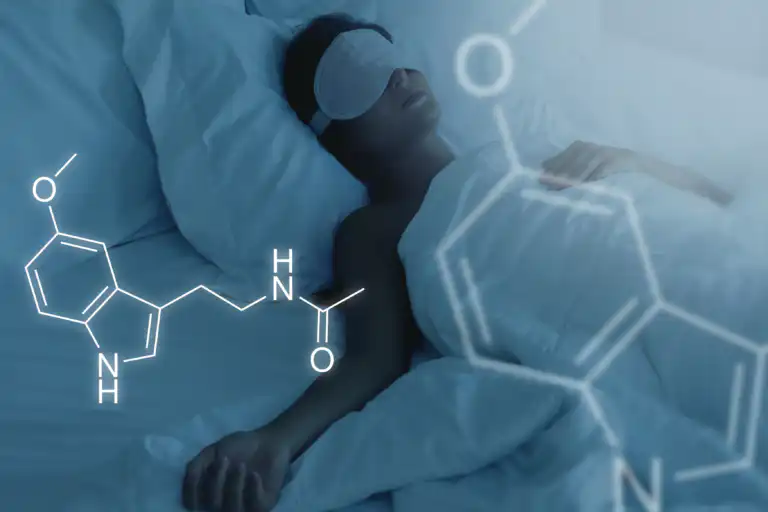
How melatonin works, how and when people take it, the side effects and drug interactions to know about, and gentler ways to…

Melatonin can come from plants or from a lab. Here’s how phytomelatonin and synthetic melatonin compare on effectiveness, safety and sustainability.

Self-care isn’t a luxury. Here’s what it really means, why everyday personal care matters, and practical ways to make time for yourself.
Sign up for ToxicFree® tips, new arrivals and member-only offers. Your code arrives in your welcome email.

Sign in to check out faster, track orders and manage Subscribe & Save.